


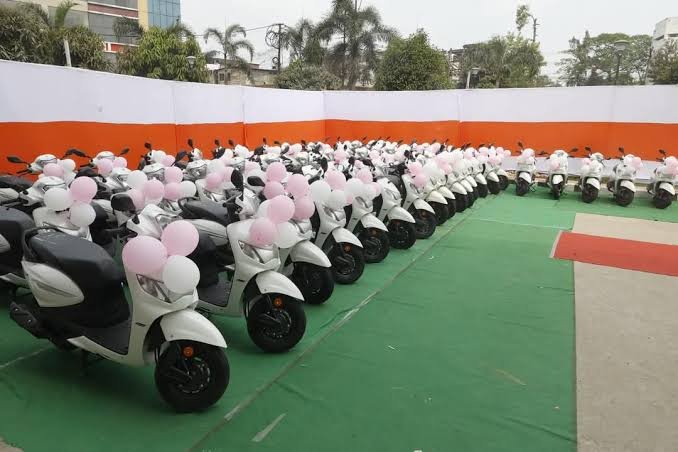
The Tripura scooty distribution scheme aims to encourage meritorious female students to pursue higher education by making daily travel to colleges more convenient. On October 14, 2026, Chief Minister Manik Saha handed over scooties to eligible students under the Mukhyamantri Kanya Atmanirbhar Yojana during a programme in Agartala. The initiative seeks to promote girls’ education, independence and self-reliance across the state. The programme also highlighted the government’s broader efforts to strengthen higher education and expand opportunities for young people.
During the event, the Chief Minister said the scheme was designed to help meritorious female students continue their studies with greater convenience. The government introduced the initiative in 2025 and allocated ₹1 crore annually for its implementation. The programme formed part of a wider event that also included appointment letters for newly recruited assistant professors and Youth Organizers.
Outdated Government Websites Raise RTI Transparency Concerns in Agartala
Tripura Scooty Distribution Scheme Supports Girls’ Higher Education
The Tripura scooty distribution scheme, officially known as the Mukhyamantri Kanya Atmanirbhar Yojana, focuses on supporting meritorious female students enrolled in government general degree colleges. The scheme seeks to make commuting easier and encourage eligible students to continue their education after school.
Chief Minister Manik Saha distributed scooties during a programme held at Matangini Pritilata Auditorium at Agartala Women’s College on October 14, 2026. The event brought together representatives from the education sector and the Youth Affairs and Sports Department.
According to the Chief Minister’s remarks at the programme, 30 scooties were handed over to students during the event. He also referred to 152 students from the 2023–24 academic session and 122 students from the 2024–25 session who had benefited from the scheme. These figures refer to different academic periods and should not be confused with the number of scooties handed over at the October 14 ceremony.
The scheme aims to reduce one practical difficulty that students may face while attending college: transportation. Students who travel considerable distances to educational institutions can face challenges related to commuting time, transport availability and daily expenses. Providing a scooty may offer greater flexibility, particularly where public transport options do not adequately meet students’ schedules.
Moreover, convenient transportation can help students manage their academic responsibilities more effectively. Regular attendance, participation in college activities and access to educational resources all contribute to the overall learning experience. However, the actual benefits will depend on each student’s circumstances, travel requirements and ability to use the vehicle safely.
The initiative therefore links educational support with practical mobility. By helping eligible students travel to college, the government seeks to encourage them to continue their studies and work towards greater independence.
Mukhyamantri Kanya Atmanirbhar Yojana Promotes Self-Reliance
The Mukhyamantri Kanya Atmanirbhar Yojana was launched in 2025 to encourage meritorious female students to pursue higher education. Under the scheme, eligible students receive a scooty to help them travel to their educational institutions. The government allocated ₹1 crore annually for the initiative.
The programme reflects an approach to educational support that extends beyond classroom facilities and academic materials. Students also need practical arrangements that allow them to attend classes and participate in college life. For some students, reliable transportation can make a meaningful difference to their daily routine.
Furthermore, access to higher education can help young women develop knowledge, professional skills and career opportunities. Completing a degree may open pathways to further study, competitive examinations and employment. Although a scooty alone cannot guarantee these outcomes, transport assistance can help address one barrier that some students encounter.
The scheme also forms part of the state government’s wider emphasis on women’s education and empowerment. During the October 14 programme, Saha spoke about the importance of educating girls and helping women become skilled and self-reliant. He also highlighted the government’s stated provision for 33 per cent reservation for women in government jobs.
However, educational empowerment involves several interconnected factors. Students need access to quality teaching, suitable learning facilities, financial support where necessary and opportunities to develop their skills. Transport assistance works best when students can also access these wider forms of support.
In addition, clear eligibility rules and transparent beneficiary selection can help ensure that the scheme reaches its intended recipients. Students should be able to understand the application process, the academic criteria and the documents required to establish eligibility. Timely communication from the authorities can reduce confusion and help eligible applicants prepare.
The programme’s long-term impact will depend on how effectively the government implements the scheme and whether the assistance helps students continue their education. Monitoring participation and gathering feedback from beneficiaries could help officials identify areas for improvement.
Education Department Highlights Wider Educational Development
The scooty distribution programme took place alongside other initiatives focused on employment and education. At the same event, Chief Minister Manik Saha handed over appointment letters to 74 newly recruited assistant professors for general degree colleges across Tripura. He also said the recruitment process was underway for another 126 assistant professor positions.
The recruitment initiative aims to address faculty shortages in government degree colleges. Adequate teaching staff can help institutions conduct regular classes, provide academic guidance and manage their educational responsibilities. However, the overall improvement will depend on how the authorities deploy the newly appointed professors and address vacancies across subjects and institutions.
The programme also included appointment letters for 10 Youth Organizers under the Youth Affairs and Sports Department. Their roles are intended to support youth development, sports and cultural activities. These appointments formed another part of the government’s wider focus on employment and human resource development.
Together, the initiatives addressed different aspects of educational and social development. The scooty scheme focuses on mobility for female students, assistant professor recruitment addresses staffing needs in higher education, and Youth Organizer appointments support programmes for young people.
During the event, the Chief Minister also discussed efforts to improve educational infrastructure. These include investments in academic buildings, research facilities, modern laboratories and digital learning resources. Such facilities can help institutions respond to changing educational requirements and provide students with more opportunities to develop practical knowledge.
Moreover, the implementation of the National Education Policy 2020 in colleges and universities has placed attention on practical, multidisciplinary and skill-oriented learning. Effective implementation requires trained faculty, appropriate infrastructure and teaching methods that support students’ academic development.
Consequently, schemes supporting students need to operate alongside improvements in teaching quality and institutional capacity. Transport assistance can help students reach college, while good academic facilities and qualified teachers can support their progress once they arrive.
Implementation and Awareness Will Determine the Scheme’s Reach
The effectiveness of the Tripura scooty distribution scheme will depend on its implementation, beneficiary selection and the support available to eligible students. Authorities need to ensure that students understand the scheme’s objectives and know how to access the benefits.
Clear communication about eligibility criteria, application procedures and distribution schedules can help students make informed decisions. Colleges may also play a role in sharing official information with students and directing them to the relevant department for guidance.
The government must also ensure that the scheme follows its stated rules and that the distribution process remains transparent. Accurate records of beneficiaries across academic sessions can help prevent confusion about how many students have received assistance and when distributions took place.
Furthermore, the long-term value of the initiative depends on students’ ability to use the support effectively. Safe riding practices, compliance with applicable transport rules and appropriate use of the vehicle are important considerations for beneficiaries. Students should also understand the ongoing responsibilities associated with vehicle ownership.
Authorities could assess the programme by examining the number of eligible students who receive assistance, their feedback and the practical challenges they face while travelling to college. Such information could help determine whether the scheme meets students’ needs and whether adjustments are necessary.
The government may also benefit from reviewing how transport assistance complements other educational support programmes. Students can face several barriers to higher education, including financial constraints, limited access to learning resources and difficulties travelling to institutions. A coordinated approach can help address these challenges more comprehensively.
Ultimately, the scheme’s purpose extends beyond distributing vehicles. It seeks to encourage meritorious female students to continue higher education and move towards greater self-reliance. Transparent implementation, timely information and sustained educational support will remain important to achieving that objective.
Conclusion
The Tripura scooty distribution scheme provides transport assistance to meritorious female students under the Mukhyamantri Kanya Atmanirbhar Yojana. During the October 14, 2026, programme in Agartala, Chief Minister Manik Saha handed over 30 scooties and highlighted the scheme’s aim of encouraging girls to pursue higher education. He also referred to beneficiaries from the 2023–24 and 2024–25 academic sessions. The government introduced the scheme in 2025 and allocated ₹1 crore annually for its implementation.
The initiative seeks to address transportation difficulties that may affect students attending colleges. Easier commuting can support attendance and give students greater flexibility in managing their academic responsibilities. Nevertheless, the scheme’s impact will depend on transparent beneficiary selection, effective implementation and the availability of quality educational facilities. Transport support should complement broader efforts to improve teaching, infrastructure and access to higher education.
Going forward, clear communication about eligibility and distribution procedures will help students understand the scheme. Regular monitoring and feedback from beneficiaries could also help authorities improve its delivery. By combining mobility assistance with wider educational support, the state can work towards making higher education more accessible to meritorious female students.
FAQs
1. What is the Mukhyamantri Kanya Atmanirbhar Yojana?
The Mukhyamantri Kanya Atmanirbhar Yojana is a Tripura government scheme that provides scooties to eligible meritorious female students enrolled in government general degree colleges. It aims to make commuting easier and encourage higher education.
2. When did Tripura distribute scooties to meritorious students?
Chief Minister Manik Saha distributed scooties during a programme in Agartala on October 14, 2026. Thirty scooties were handed over at the event.
3. How many students have benefited from the scheme?
At the October 14 programme, the Chief Minister referred to 152 beneficiaries from the 2023–24 academic session and 122 from the 2024–25 session. These figures relate to different periods and are separate from the 30 scooties distributed during the event.
4. What is the annual budget for the scooty scheme?
The government allocated ₹1 crore annually for the Mukhyamantri Kanya Atmanirbhar Yojana.
5. What is the main objective of the scheme?
The main objective is to encourage meritorious female students to pursue higher education by helping them travel to college more conveniently and supporting their independence.