


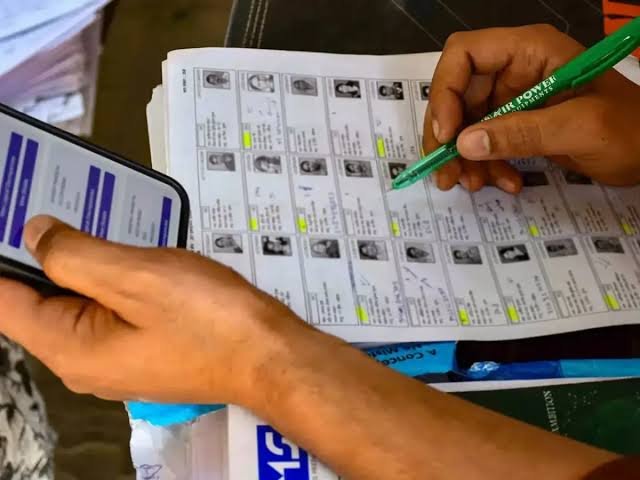
Tripura’s election authorities are preparing for an intensive voter-roll upgrade process as officials focus on improving the accuracy of electoral records ahead of upcoming elections. The exercise could bring greater attention to voter verification, corrections, duplicate entries, address changes, and the protection of eligible voters.
The process comes as political activity increases across Tripura, particularly in areas preparing for grassroots elections. Moreover, accurate electoral rolls will remain essential for candidates, political parties, and voters as the state moves toward the next phase of its electoral calendar.
Election officials will need to balance strict verification with accessible correction procedures. Furthermore, clear communication can help voters understand how to check their details and respond if authorities identify discrepancies.
Tripura CEO Brijesh Pandey Locks Dates for Special Electoral Revision
Election Authorities Focus on Voter Rolls
Tripura’s election administration has a central role in maintaining accurate electoral records.
Officials can review voter information, identify errors, and process applications for additions, corrections, or other changes under applicable election procedures. Additionally, field-level officials can support verification activities and help address discrepancies.
The objective remains to maintain a reliable electoral register.
However, authorities must ensure that verification does not create unnecessary barriers for eligible voters.
Voter Verification Becomes Key Priority
Voter verification can help election officials identify inaccurate or outdated information.
Officials may examine details such as names, addresses, demographic information, and other records relevant to electoral registration. Moreover, voters can use established procedures to report errors in their entries.
Regular verification can consequently improve the quality of electoral rolls.
However, officials must carefully distinguish genuine errors from cases involving eligible voters whose records require correction.
Duplicate Entries Need Careful Review
Duplicate electoral entries can create administrative problems during elections.
Election authorities may examine records that appear to belong to the same person and determine whether corrections are necessary. Furthermore, voters who have moved between constituencies may need to update their registration details.
Careful database management can help reduce inconsistencies.
However, officials should verify suspected duplicate records before taking any action affecting a voter’s registration.
Address Changes Could Increase Applications
Changes in residence can affect electoral-roll accuracy.
Students, workers, families, and other residents may move between constituencies and need to update their registration information. Additionally, changes in local addresses can create discrepancies if voters do not update their electoral records.
The revision process can provide an opportunity to correct such information.
However, voters should follow the official procedure applicable to their circumstances.
Eligible Voters Need Protection
Updating electoral rolls requires a balance between accuracy and accessibility.
Authorities must protect the right of eligible voters to remain registered while addressing inaccurate or ineligible entries. Moreover, voters need appropriate opportunities to submit claims, corrections, or objections where applicable.
These safeguards can strengthen confidence in the process.
However, individual cases may require different forms of verification.
Political Parties Likely to Monitor Changes
Political parties are likely to pay close attention to electoral-roll updates.
Parties may encourage supporters to verify their names and submit correction requests when necessary. Furthermore, political organisations can raise concerns through established channels if they identify unusual or unexplained changes.
This scrutiny can contribute to greater transparency.
However, political claims about voter-roll manipulation require evidence and official verification.
Tribal Areas Could Receive Attention
Electoral-roll management could carry particular political significance in Tripura’s tribal areas.
TIPRA Motha, the BJP, and other political organisations are preparing for grassroots contests where small changes in voter lists can influence local electoral calculations. Moreover, accurate rolls will be important for ensuring that eligible voters across remote communities can participate.
Election officials may therefore need effective outreach in rural and tribal areas.
However, electoral administration should apply the same legal standards across all communities.
Remote Communities Face Practical Challenges
Tripura’s rural and remote areas can present logistical challenges for voter verification.
Some residents may have limited access to government offices or digital services. Additionally, language, connectivity, and awareness issues can affect how easily voters respond to electoral-roll notices.
Effective local communication can help address these challenges.
However, voters should rely on official election authorities for information about procedures and deadlines.
Digital Records Can Improve Accuracy
Digital electoral databases can help officials manage large volumes of voter information.
Electronic records can make it easier to identify inconsistencies and process updates efficiently. Furthermore, improved data management can reduce administrative duplication and support faster corrections.
Technology can therefore strengthen electoral-roll maintenance.
However, digital systems still require careful human verification and appropriate safeguards.
Grassroots Elections Raise the Stakes
The voter-roll exercise comes at a politically important time for Tripura.
Upcoming village-level elections will place greater attention on local voter lists and constituency boundaries. Moreover, political parties will closely monitor the rolls as they prepare candidates and campaign strategies.
Accurate electoral records can help ensure that local contests proceed smoothly.
However, voter-roll updates should remain an administrative process rather than a tool for political advantage.
Transparency Could Build Public Trust
Transparent voter-roll procedures can strengthen public confidence in elections.
Clear notices, accessible verification mechanisms, and timely information can help voters understand how officials handle their records. Additionally, allowing legitimate corrections can reduce disputes.
The election administration therefore faces an important communication task.
However, transparency must also respect applicable privacy and data-protection requirements.
Legal Safeguards Remain Important
Electoral-roll changes can sometimes produce disputes.
A voter may challenge an incorrect deletion, while authorities may need to investigate disputed records or documentation. Furthermore, established claims and objection mechanisms can provide an administrative route for resolving many disagreements.
These safeguards can reduce unnecessary litigation.
However, serious legal disputes may still require judicial consideration depending on the circumstances.
Voters Have an Active Role
Voters can contribute to the accuracy of electoral rolls by checking their own information.
They should verify that their names and relevant details appear correctly and use official procedures to request changes when necessary. Moreover, voters who have relocated should ensure that their registration reflects their current eligible constituency.
Active participation can help identify errors early.
However, voters should provide accurate information and follow official instructions.
What the Upgrade Could Mean
A successful voter-roll upgrade could improve the reliability of Tripura’s electoral database.
Accurate records can help election officials manage polling more efficiently and reduce confusion over voter eligibility. Furthermore, reliable electoral rolls can give political parties and voters greater confidence in the election process.
The effectiveness of the exercise will depend on consistent implementation across the state.
However, authorities must ensure that administrative efficiency does not come at the expense of eligible voters.
Conclusion
Tripura’s voter-roll upgrade effort comes at an important moment as the state prepares for upcoming grassroots elections and broader political activity. Election authorities will need to focus on accurate verification, correction of errors, careful handling of duplicate entries, and accessible procedures for eligible voters.
Moreover, political parties and communities are likely to monitor the process closely, particularly in tribal and rural areas. Clear communication and transparent procedures can help prevent confusion and strengthen public confidence.
Overall, the success of Tripura’s electoral-roll upgrades will depend on balancing accurate voter records with strong legal safeguards and easy access to correction mechanisms. A careful and transparent process can strengthen the state’s electoral system ahead of future polls.
FAQs
1. Why is Tripura upgrading its voter rolls?
The process aims to improve the accuracy of electoral records by identifying errors, outdated information, duplicate entries, and other inconsistencies.
2. What should voters do?
Voters should verify their electoral details and use official procedures to request corrections or raise objections where necessary.
3. Could voter names be removed during the process?
Electoral authorities can make changes under applicable election rules, but eligible voters should have access to the prescribed procedures for addressing incorrect decisions.
4. Why are tribal areas important in the process?
Upcoming grassroots elections make accurate voter lists particularly important across Tripura’s tribal and rural communities.
5. Could disputes over voter rolls become legal issues?
Yes. Administrative mechanisms can address many disputes, while serious disagreements may potentially reach judicial forums depending on the circumstances.