


Tripura is expanding its public healthcare network with new facilities and stronger primary healthcare services. The state government has increased its focus on neighbourhood-level medical care through Ayushman Arogya Mandirs and urban health centres.
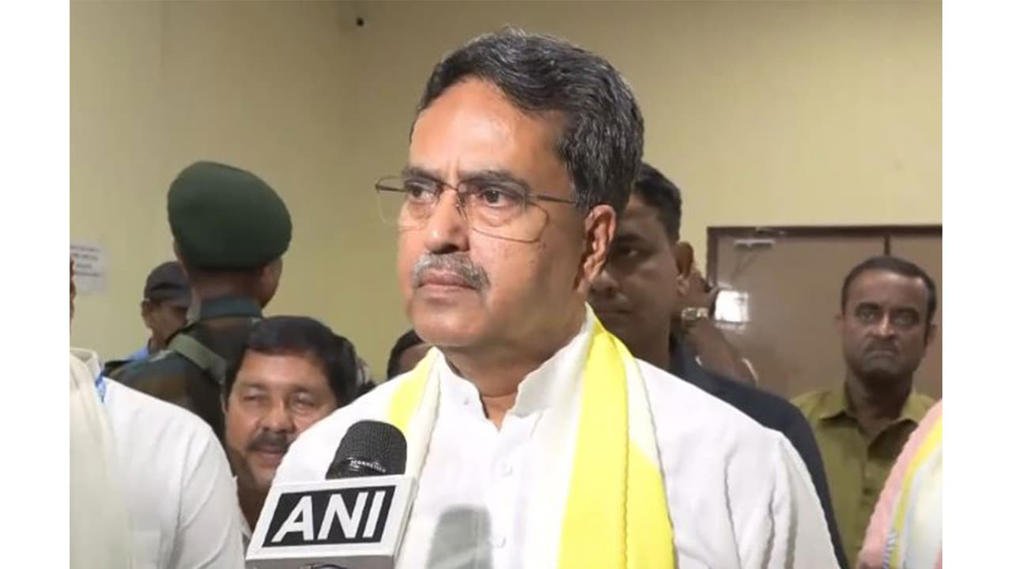
Chief Minister Prof. Dr. Manik Saha recently inaugurated a new Urban Polyclinic at A.D. Nagar in Agartala. He also inaugurated five Urban Arogya Mandir buildings through a virtual programme.
The government says these initiatives will bring medical services closer to residents. They also form part of Tripura’s wider plan to strengthen healthcare infrastructure across urban, rural and remote areas.
Read More: Mushtaq Khan Dies at 56: Himanta Biswa Sarma, Anees Bazmee Pay Tribute
New Urban Polyclinic Opens in A.D. Nagar
The new Urban Polyclinic at A.D. Nagar will expand access to healthcare services in the Agartala area. The facility has 12 rooms and cost around Rs 2.10 crore to construct.
Chief Minister Manik Saha inaugurated the polyclinic and later inspected the facility. The new centre will provide healthcare services closer to local communities.
Urban polyclinics can help residents access routine medical care without visiting major hospitals for every health concern. They can also support early diagnosis and guide patients towards specialised treatment when necessary.
The new facility therefore adds another layer to Tripura’s urban healthcare network. It also supports the government’s effort to strengthen medical services at the community level.
Five New Urban Arogya Mandirs Inaugurated
Along with the polyclinic, the Chief Minister virtually inaugurated five new Urban Arogya Mandir buildings.
The new facilities are located at Radhanagar, Jagaharimura, Ujan Abhaynagar, Dhaleswar and Ramakrishna Shivalaya Ashram.
These centres aim to provide essential healthcare services closer to people living in urban communities. They also support the wider Ayushman Arogya Mandir programme, which focuses on comprehensive primary healthcare.
The national Arogya Mandir framework covers several areas of healthcare. These include maternal and child health, non-communicable diseases, mental health, oral health, eye care, ENT services and palliative care. The programme also supports access to essential medicines and diagnostic services.
For Tripura, the expansion of these centres can help create a stronger connection between communities and the state’s public healthcare system.
Tripura Now Has 1,110 Arogya Mandirs
Chief Minister Saha said Tripura now has 1,110 Arogya Mandirs across the state. The government has been using these centres to strengthen primary healthcare and improve access to medical services.
Primary healthcare plays an important role in preventing and detecting diseases at an early stage. Local health centres can also reduce the pressure on larger hospitals by handling routine cases within communities.
The expansion of Arogya Mandirs can benefit people who live far from major hospitals. It can also make basic medical services more accessible to residents who may otherwise need to travel long distances.
The state government’s focus has therefore moved beyond hospital construction. It is also building a wider network of healthcare facilities that can serve people closer to their homes.
Government Reports Fewer Out-of-State Referrals
The Tripura government has also highlighted a decline in the number of patients referred outside the state for treatment.
According to figures cited by Chief Minister Saha, 555 patients received referrals outside Tripura in 2023. The number fell to 495 in 2024 and then to 366 in 2025.
The government said the number had fallen further to 161 in 2026 so far.
Saha linked the decline to improvements in Tripura’s healthcare infrastructure. More treatment options inside the state can allow patients to receive medical attention closer to home.
However, referral numbers can depend on several factors. These include the availability of specialists, hospital capacity, disease patterns and individual treatment requirements.
Rural Healthcare Remains a Major Focus
Tripura’s healthcare expansion also includes rural and remote areas. The state’s geography creates challenges for residents living in hilly and less-connected locations.
The government has been strengthening satellite health centres in these areas. Such facilities can help residents access basic healthcare without travelling to Agartala or other major towns.
Doctors, health workers and ASHA workers also play a key role in providing services in rural communities. Their work connects primary healthcare facilities with households and local populations.
Satellite centres can also help identify patients who need specialised treatment. Healthcare workers can refer such cases to district hospitals or larger medical institutions.
This approach creates a connection between primary healthcare and higher-level medical services.
Technology to Support Healthcare Services
Tripura is also exploring technology-based solutions to improve healthcare access. A state-of-the-art telemedicine studio is planned at G.B. Pant Hospital in Agartala.
Telemedicine can connect patients and doctors through digital platforms. It can prove especially useful for communities where specialist doctors are not easily available.
Patients in remote areas may be able to receive medical advice without travelling to major cities for every consultation. Doctors can also use telemedicine services to seek specialist opinions when required.
The planned telemedicine facility could therefore complement the state’s physical healthcare expansion.
Strengthening Healthcare at Different Levels
Tripura’s latest initiatives show a multi-level approach to healthcare development. Arogya Mandirs focus on primary healthcare and community-level services. Urban polyclinics add more medical facilities in towns and cities.
At the same time, district and referral hospitals continue to handle patients who require more specialised treatment.
This layered system can help patients move through the healthcare network according to their needs. People with routine health concerns can seek care locally. Doctors can refer patients to higher-level facilities when they need advanced diagnosis or treatment.
The government has also continued to emphasise improvements in hospital infrastructure. These efforts aim to increase the state’s capacity to treat patients within Tripura.
Focus on Accessible and Preventive Healthcare
The expansion of Arogya Mandirs also reflects a greater focus on preventive healthcare. Early screening can help identify conditions before they become more serious.
Regular health checks can also encourage people to seek medical advice at an earlier stage. This approach can support better long-term health outcomes and reduce the burden on hospitals.
For a state such as Tripura, improving access at the primary level remains important. Strong local healthcare facilities can help communities receive timely medical attention while larger hospitals focus on complex cases.
Tripura Expands Its Healthcare Network
The inauguration of the A.D. Nagar Urban Polyclinic and five new Urban Arogya Mandir buildings adds to Tripura’s expanding healthcare network. With 1,110 Arogya Mandirs already operating across the state, the government continues to build its primary healthcare infrastructure.
The state is also focusing on rural health centres, hospital upgrades and telemedicine facilities. Together, these initiatives aim to bring healthcare services closer to residents across different parts of Tripura.
The effectiveness of this expansion will depend not only on the number of facilities but also on staffing, equipment, medicines, diagnostics and regular service delivery.
As Tripura continues to invest in its healthcare system, strengthening these areas will remain important for ensuring that new facilities translate into accessible and reliable medical services for communities across the state.
Read More: Former Election Commissioners Question SIR Process and ECI’s Decision-Making