


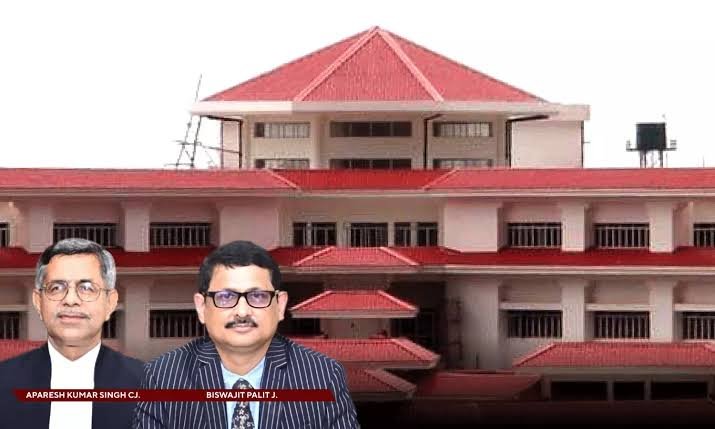
The Reang parallel administration PIL has prompted the Tripura High Court to seek separate responses from the district magistrates of Gomati, South Tripura and West Tripura. The petition alleges that certain organisations within the Reang community have been conducting administrative and dispute-resolution activities outside the statutory system. The court has also issued notices to organisations named in the petition. The case raises questions about legal authority, community dispute resolution and the protection of individual rights.
Tripura Prepares for 410 MW Durga Puja Power Demand
Reang Parallel Administration PIL: Tripura HC Seeks Replies
The Reang parallel administration PIL has brought allegations of unofficial administrative and judicial activities before the Tripura High Court. Pulindra Reang, KASKAU and Bru Mthoh filed the petition on September 25. Several Reang organisations also feature in the case, along with the Tripura government and officials from district administrations and the Tripura Tribal Areas Autonomous District Council.
The petitioners allege that certain organisations collect money from Reang community members in the name of social justice and dispute settlement. They also claim that these groups make decisions on matters reserved for statutory or judicial authorities.
The petition cites alleged activities such as issuing marriage and death certificates and resolving local disputes. It also raises claims involving serious criminal matters, including murder. However, the court has not established these allegations.
The petitioners describe the alleged arrangement as a “Parallel Judicial and Administrative System.” They argue that private organisations cannot exercise powers beyond those permitted by law and the Constitution.
The case raises broader questions about customary practices and the authority of legally constituted institutions. The court has sought responses from the administration before deciding how to proceed.
Reang Parallel Administration PIL: Court Seeks District Replies
A division bench comprising Chief Justice M S Ramachandra Rao and Justice S Datta Purkayastha heard the matter on October 5. The judges directed the district magistrates of Gomati, South Tripura and West Tripura to submit separate replies.
The bench also issued notices to the organisations named in the petition. These notices give the respondents an opportunity to explain their positions and address the allegations.
During the hearing, the government presented a document confirming the formation of a committee under the West Tripura District Magistrate. The committee would take necessary action on the matter. However, the court noted that the administration formed it only after the petitioners filed the PIL.
This timeline could become important during further proceedings. The bench may examine what authorities knew before the petition and what steps they took afterward.
The district magistrates’ replies could clarify whether officials knew about the alleged activities. Their responses may also explain whether authorities previously investigated complaints involving the organisations.
The next hearing is scheduled for November 24, 2026. Until then, the court’s directions do not establish the truth of the allegations. The respondents can contest the claims and submit relevant information.
Reang Parallel Administration PIL Revisits Earlier Inquiry
The petitioners have referred to an inquiry conducted in 2022 under the then Sub-Divisional Magistrate of Santirbazar. According to their submissions, the inquiry recorded allegations of social ostracisation involving 15 Reang families.
They also claim that authorities sealed offices linked to the organisations and seized documents during that process. The petition questions the subsequent decision to reopen those offices and return the documents.
According to the petitioners, representatives of the organisations had assured authorities that they would not repeat the alleged activities. The PIL now seeks clarification about the decision to unseal the offices and the later treatment of the affected families.
The petition also questions whether authorities examined financial transactions linked to the alleged activities. These claims remain part of the petition and do not represent established findings by the High Court.
The earlier inquiry provides important background to the current case. It allows the parties to explain the administrative action taken before the present litigation began.
Furthermore, the petitioners say they sent a demand notice to the concerned authorities and organisations on March 16, 2026. They claim that the Additional District Magistrate of Gomati later informed their lawyer about directions to the concerned SDM. According to the petitioners, effective action did not follow.
The court’s examination of these events could help clarify how the administration handled the earlier complaints. However, the bench will need to consider the evidence and responses before reaching any conclusions.
Reang Parallel Administration PIL Raises Governance Questions
The Reang parallel administration PIL raises questions that extend beyond the specific allegations against the named organisations. At its core, the case concerns the relationship between community-based dispute resolution and India’s formal legal and administrative institutions.
Community organisations can support residents and help resolve local disagreements. However, the law assigns official powers to legally constituted institutions. These powers include issuing legally recognised documents, determining criminal liability and imposing legally enforceable penalties.
The petitioners argue that serious criminal allegations cannot be settled through an arrangement operating outside the statutory judicial system. They cite an alleged case involving a fine of Rs 3.03 lakh in connection with a person accused of murder. The court has not established this claim.
The distinction between social mediation and formal adjudication could therefore play a central role in the proceedings. The bench may examine the alleged activities and determine whether the authorities must take further action.
The petitioners have also clarified that their case does not target the Reang community as a whole. They say the PIL seeks to protect the rights, dignity, security and future interests of ordinary community members.
This distinction matters because the proceedings concern allegations against specific organisations. They do not amount to a judgment against the wider Reang community. The court must assess the legal and factual issues raised by the petition.
Administrative Replies May Determine the Next Steps
The three district magistrates’ replies could help the court understand the administration’s response to the alleged activities. Officials may need to explain their knowledge of the complaints, the earlier inquiry and subsequent decisions involving the organisations.
The West Tripura committee could also feature in the next stage of the proceedings. Its formation shows that the administration initiated a process to examine the matter. However, the court noted that officials formed the committee after the petitioners filed the PIL.
Meanwhile, the organisations that received notices can present their responses. Their submissions may help identify disputed claims and issues that require further investigation.
The case also highlights the importance of timely administrative action when citizens raise concerns about activities that may affect legal rights. Clear procedures can help authorities address complaints and keep community disputes within lawful boundaries.
For the petitioners, the proceedings offer an opportunity to seek answers about issues they consider unresolved. The authorities and organisations can use the same process to explain their actions and defend their positions.
The High Court has not issued a final ruling on the allegations. Its next steps will depend on the replies, documents and other material that the parties submit.
Conclusion
The Reang parallel administration PIL has brought allegations of unofficial adjudication and administrative activity before the Tripura High Court. The bench has sought separate replies from the district magistrates of Gomati, South Tripura and West Tripura. It has also issued notices to the organisations named in the petition.
The allegations concern dispute resolution, official-looking certificates, financial collections and decisions involving serious offences. However, the petitioners must establish their claims through the legal process. The respondents also have the right to present their positions.
The November 24 hearing could clarify the administration’s earlier actions and the legal questions raised by the petition. Until the court examines the responses and evidence, readers should treat the claims as allegations rather than established findings against any organisation or the Reang community.
FAQs
What is the Reang parallel administration PIL?
The Reang parallel administration PIL is a public interest petition alleging that certain organisations have conducted administrative and dispute-resolution activities outside the statutory system.
What has the Tripura High Court ordered?
The High Court has directed the district magistrates of Gomati, South Tripura and West Tripura to submit separate replies. It has also issued notices to the organisations named in the petition.
What activities do the petitioners allege?
The petition alleges that certain organisations collect money, settle disputes and issue marriage and death certificates. It also raises concerns about decisions involving serious criminal matters. The court has not established these allegations.
Was there an earlier inquiry?
Yes. The petitioners refer to a 2022 inquiry under the then SDM of Santirbazar. They also question subsequent administrative decisions concerning the organisations’ offices and seized documents.
When will the case be heard next?
Reports on the October 5 hearing state that the court scheduled the next hearing for November 24, 2026.