


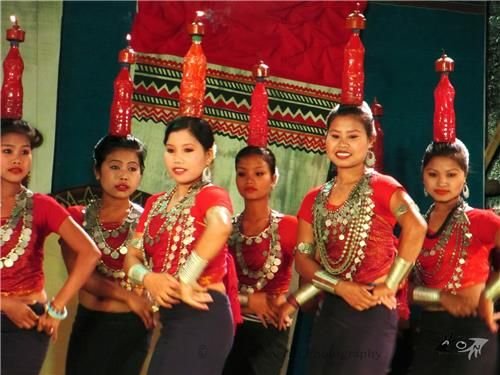
Tripura Kala Utsav Success
Tripura Kala Utsav 2025 became a proud moment for the state when its student performers clinched national third place with a mesmerizing Hojagiri dance. The competition, organized by the Ministry of Education and NCERT, was held at Pune’s YASHADA campus from December 20–24.
The Tripura Kala Utsav entry stood out among dozens of performances, earning applause for its cultural authenticity and artistic precision.
Hojagiri: A Tribal Treasure
Hojagiri is a traditional folk dance of the Reang (Bru) community in Tripura. It is performed exclusively by women, who balance earthen pitchers, bottles, and other objects on their heads while moving their lower bodies in rhythmic patterns.
- Cultural roots: Deeply tied to Reang festivals and rituals.
- Unique style: Lower body movements dominate while the upper body remains steady.
- Symbolism: Represents balance, resilience, and harmony.
By presenting Hojagiri at the Kala Utsav, students not only competed but also showcased the importance of preserving indigenous traditions.
About Kala Utsav
Kala Utsav is a national cultural festival that celebrates India’s artistic diversity among school students.
- Organizer: NCERT under the Ministry of Education.
- Categories: Dance, music, theatre, and visual arts.
- Objective: To encourage young performers and promote cultural heritage.
- Participants: Students from across India, representing diverse traditions.
Tripura’s contingent, represented by Eklavya Model Residential Schools (EMRS), competed in the Regional Tribal Group Dance (Senior) category and secured third place.
Why Tripura Kala Utsav Win Matters
Recognition of Tribal Heritage
The win highlights the Reang community’s contribution to India’s cultural mosaic.
Inspiration for Students
Young performers in Tripura now have a national platform to embrace their traditions and pursue excellence.
National Visibility
The Tripura Kala Utsav achievement strengthens the state’s identity as a hub of tribal heritage.
Voices from the Event
Judges praised Tripura’s team for their discipline and cultural authenticity. Parents and teachers expressed pride, noting that the win will inspire more students to participate in cultural competitions.
Community leaders emphasized that the recognition of Hojagiri at a national level will encourage preservation of tribal art forms.
Broader Impact of Tripura Kala Utsav
The success of Kala Utsav 2025 has wider implications:
- Cultural preservation: Encourages safeguarding indigenous traditions.
- Education: Promotes integration of cultural studies in schools.
- Tourism: Boosts heritage tourism by spotlighting dances like Hojagiri.
READ MORE: Tripura Child Labour Rescue Appeal
Tripura’s third‑place finish at Kala Utsav 2025 is more than a victory—it is a call to preserve indigenous art forms. As audiences, educators, and policymakers, we must:
- Support tribal communities in showcasing their traditions.
- Encourage schools to integrate cultural education.
- Promote heritage tourism to celebrate dances like Hojagiri.
Celebrate Kala Utsav by sharing this story, supporting cultural preservation, and visiting Tripura to experience its living traditions.