


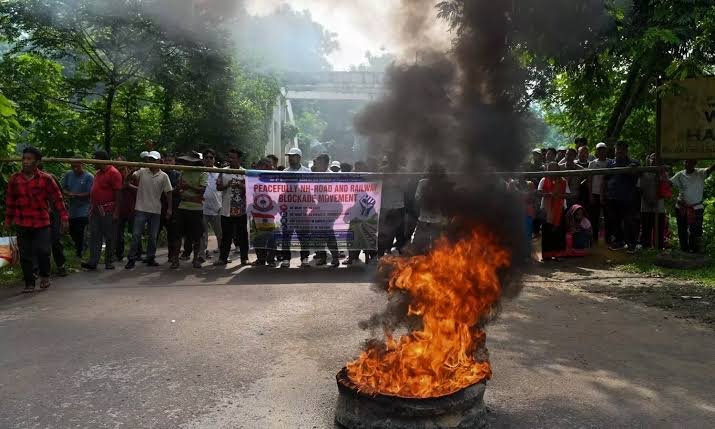
The Tripura Militants Blockade Withdrawal followed fresh progress in peace talks between authorities and members of former insurgent outfits NLFT and ATTF. The former militants had launched a 72-hour road and rail blockade to protest delays in receiving rehabilitation packages. However, renewed discussions and progress in the peace process led the groups to withdraw the blockade. The development offers temporary relief to transport services while keeping attention focused on the implementation of rehabilitation commitments.
Aviation Boom: Northeast Functional Airports Count Hits 17, Up From 9 in 2014
Tripura Militants Blockade Withdrawal Follows Rehabilitation Concerns
Members of former insurgent groups NLFT and ATTF launched the blockade to highlight their concerns over delays in rehabilitation packages.
Furthermore, the former militants used road and rail routes to press authorities to address their demands.
Rehabilitation remains an important component of peace processes involving former insurgents. Effective implementation can help surrendered members transition toward civilian life and participate more fully in society.
Moreover, delays in promised assistance can create frustration among beneficiaries and affect confidence in agreements reached during peace negotiations.
The blockade therefore brought renewed attention to the need for timely implementation of rehabilitation commitments.
Tripura Militants Blockade Withdrawal Ends Transport Disruption
The 72-hour blockade affected road and rail movement as the protesters sought to draw attention to their concerns.
However, the protesters later withdrew the strike after fresh progress emerged in peace talks.
Consequently, the withdrawal reduced the immediate pressure on transport networks and allowed normal movement to resume.
Moreover, the development demonstrated the importance of dialogue in addressing disagreements surrounding rehabilitation measures.
Authorities and representatives of the former insurgent groups can now focus on resolving outstanding issues through continued discussions rather than prolonged disruption.
Therefore, the Tripura Militants Blockade Withdrawal represents an important development in the latest phase of negotiations.
Tripura Militants Blockade Withdrawal Reflects Peace Process
The involvement of former NLFT and ATTF members connects the latest dispute to Tripura’s broader peace and rehabilitation process.
Furthermore, surrender and rehabilitation programmes aim to help former insurgents leave armed activities behind and establish stable civilian lives.
Successful implementation requires coordination between authorities and the beneficiaries of such agreements.
Additionally, regular communication can help identify delays and address concerns before they lead to larger protests.
The latest development shows how negotiations can help manage disagreements within an ongoing peace process.
Meanwhile, continued dialogue will remain important to ensure that commitments made to former insurgents receive appropriate attention.
Tripura Militants Blockade Withdrawal Opens Way for Talks
The withdrawal of the 72-hour blockade creates an opportunity for stakeholders to concentrate on unresolved rehabilitation issues.
Moreover, the fresh progress in peace talks could help establish a clearer path toward addressing the concerns raised by former NLFT and ATTF members.
Authorities will likely need to maintain communication with representatives of the former insurgent groups as discussions continue.
However, resolving rehabilitation-related concerns may require administrative coordination and timely implementation of agreed measures.
Therefore, sustained engagement will remain essential for preventing similar disruptions and maintaining confidence in the peace process.
The Tripura Militants Blockade Withdrawal consequently marks a positive immediate development, but the longer-term outcome will depend on how effectively authorities and stakeholders address the remaining rehabilitation concerns.
Conclusion
The Tripura Militants Blockade Withdrawal came after former NLFT and ATTF members launched a 72-hour road and rail blockade over delays in rehabilitation packages. Fresh progress in peace talks subsequently encouraged the protesters to withdraw the strike. Moreover, continued dialogue and timely implementation of rehabilitation commitments will remain important for maintaining stability and strengthening Tripura’s ongoing peace process.
FAQs
1. Why did former militants launch the blockade?
Members of former NLFT and ATTF outfits launched the blockade to protest delays in receiving rehabilitation packages.
2. How long was the planned blockade?
The protesters announced a 72-hour road and rail blockade.
3. Which groups participated in the protest?
Members of the former NLFT and ATTF insurgent outfits participated in the blockade.
4. Why was the blockade withdrawn?
The protesters withdrew the blockade after fresh progress in peace talks.
5. What does the Tripura Militants Blockade Withdrawal mean for the peace process?
It provides an opportunity for authorities and former insurgent representatives to continue negotiations and address outstanding rehabilitation concerns through dialogue.