


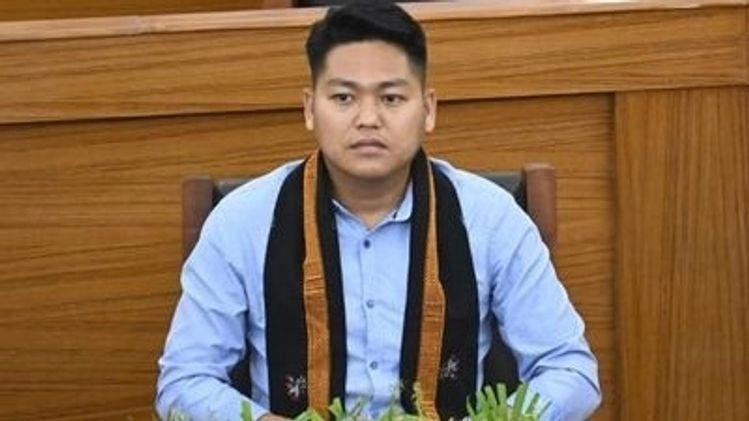
Tripura students racial discrimination has emerged as a serious concern after Tipra Motha Party MLA Paul Dangshu raised the issue in the Tripura Legislative Assembly on March 16. Highlighting incidents faced by students studying outside the state, Dangshu urged the government to establish a dedicated helpline and support mechanism.
The demand has drawn attention to the challenges faced by students from the Northeast, particularly in other parts of India, where cases of discrimination and harassment have been reported.
Read More: Tripura TTAADC Polls 2026: Over 9 Lakh Voters, Dharmanagar By-Election on April 9
Issue Raised in Tripura Legislative Assembly
Paul Dangshu, MLA of the Tipra Motha Party, brought the matter to the forefront during a session of the Tripura Legislative Assembly. He emphasized that several students from Tripura encounter racial discrimination while pursuing education in different states.
Dangshu called for immediate action, stating that the safety and dignity of students must be a priority. He urged the government to create an institutional mechanism that can respond promptly to complaints and provide necessary support.
The MLA also stressed that such incidents not only affect students’ mental well-being but also hinder their academic progress.
Growing Concerns Over Student Safety
The issue of racial discrimination against students from the Northeast has been a recurring concern across India. Students from Tripura, like many others from the region, often travel to metropolitan cities for higher education.
However, reports of discrimination, stereotyping, and harassment have raised serious questions about their safety and inclusion. These incidents can create a sense of isolation and insecurity among students.
Dangshu highlighted that addressing these concerns is essential to ensure equal opportunities and a safe learning environment for all.
Demand for a Dedicated Helpline
One of the key proposals put forward by Paul Dangshu is the establishment of a dedicated helpline for students from Tripura studying outside the state. Such a helpline would serve as a direct channel for reporting incidents and seeking assistance.
The proposed mechanism could include coordination with local authorities, educational institutions, and law enforcement agencies. This would ensure that complaints are addressed quickly and effectively.
Additionally, the helpline could provide counseling and guidance to students facing distress, helping them cope with difficult situations.
Need for Institutional Support Mechanism
Beyond a helpline, the MLA emphasized the importance of creating a comprehensive support system. This could involve appointing nodal officers, setting up grievance redressal cells, and strengthening communication between states.
An institutional approach would help in tracking cases, ensuring accountability, and providing long-term solutions. It would also demonstrate the government’s commitment to protecting its students.
Such measures are particularly important given the increasing number of students pursuing education outside Tripura.
Impact on Students’ Mental Health and Education
Racial discrimination can have a profound impact on students’ mental health. Experiences of exclusion or harassment can lead to stress, anxiety, and reduced confidence.
These challenges often affect academic performance and overall well-being. Students may struggle to adapt to new environments, especially when faced with discrimination.
By addressing these issues, the government can help create a more supportive environment for students, enabling them to focus on their education and personal growth.
Call for Awareness and Sensitization
In addition to institutional measures, there is a need for greater awareness and sensitization across the country. Promoting understanding and respect for diversity can help reduce instances of discrimination.
Educational institutions play a crucial role in fostering inclusive environments. Programs that encourage cultural exchange and dialogue can help bridge gaps and build mutual respect.
Dangshu’s appeal also highlights the importance of collective efforts in addressing this issue.
Government’s Expected Response
Following the concerns raised in the Assembly, there is an expectation that the Tripura government will take concrete steps to address the issue. Officials may consider proposals for setting up a helpline and other support mechanisms.
The government’s response will be closely watched by students, parents, and civil society groups. Effective action can provide reassurance and strengthen trust.
Moreover, collaboration with other states and central authorities may be required to ensure comprehensive solutions.
Broader Implications for Northeast Students
The issue raised by Paul Dangshu has broader implications for students from across the Northeast. Many face similar challenges while studying in different parts of the country.
Addressing these concerns can set a precedent for other states to follow. It can also contribute to creating a more inclusive and equitable educational landscape in India.
Ensuring the safety and dignity of all students is essential for national unity and progress.
Conclusion
The demand by Tripura MLA Paul Dangshu for a helpline to address racial discrimination against students highlights a critical issue that requires urgent attention. By raising the matter in the Tripura Legislative Assembly, he has brought focus to the challenges faced by students outside the state.
Establishing a dedicated support mechanism, along with awareness initiatives, can help address these concerns effectively. As the government considers its response, the priority must remain on ensuring safety, dignity, and equal opportunities for all students from Tripura.
The issue serves as a reminder of the importance of inclusivity and respect in a diverse country like India.