


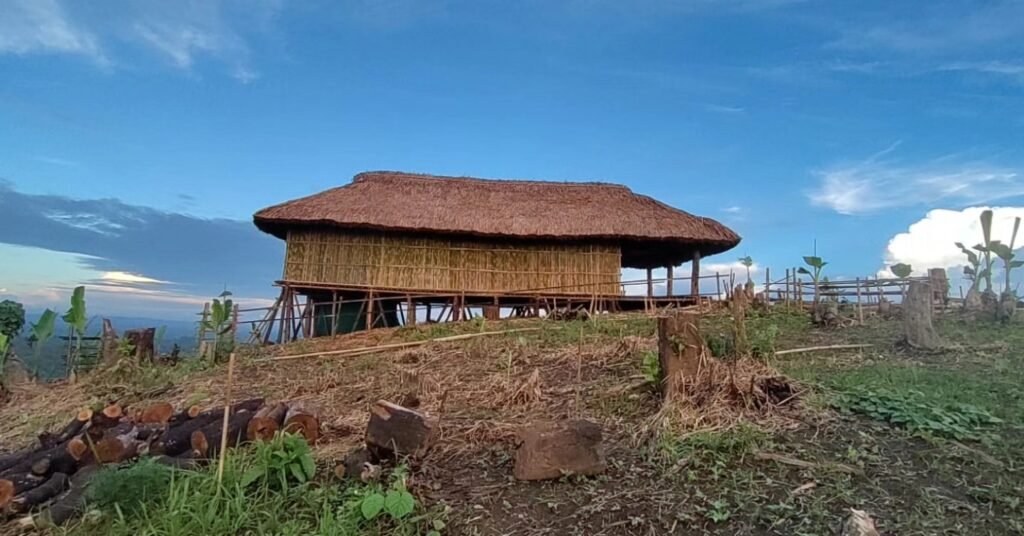
Tripura joined the global celebration of World Bamboo Day on September 18, emphasizing the importance of bamboo as a natural resource that sustains life, supports livelihoods, and contributes to environmental protection. Observed annually, the day aims to raise awareness about bamboo’s versatile uses and its role in promoting sustainable development.
Bamboo, often referred to as “green gold,” has been an integral part of the cultural and economic fabric of Northeast India, including Tripura. Known for its strength, durability, and eco-friendly characteristics, bamboo has traditionally been used in housing, handicrafts, furniture, food, and even medicine. With growing environmental challenges, the plant is increasingly being recognized as a sustainable alternative to plastics and other non-biodegradable materials.
On this occasion, Montang Valley in Tripura highlighted bamboo as a symbol of resilience and sustainability. Officials, environmentalists, and community members came together to spread the message of protecting and promoting bamboo-based industries that not only preserve the environment but also create employment opportunities for local communities.
Experts underlined that bamboo cultivation helps prevent soil erosion, improves soil fertility, and reduces carbon footprints. Its rapid growth cycle makes it one of the fastest renewable resources, ensuring a steady supply for various industries. In Tripura, bamboo-based enterprises have played a vital role in boosting rural livelihoods and promoting eco-friendly development models.
World Bamboo Day also serves as a reminder of the need to adopt green development practices. With global concerns over climate change and resource depletion, bamboo is emerging as a cost-effective and sustainable solution. From construction to energy production, the plant’s versatility offers endless opportunities for innovation.
Tripura, being one of the largest bamboo-growing states in India, has immense potential to lead the way in bamboo-based industrial growth. Government initiatives in recent years have aimed at modernizing bamboo processing, improving market access, and encouraging entrepreneurs to explore new bamboo applications. These measures are designed to enhance the state’s economy while preserving ecological balance.
Local artisans and craftspersons have also been encouraged to innovate with bamboo products that can reach national and international markets. With increasing consumer demand for eco-friendly products, bamboo items from Tripura have the potential to strengthen the state’s identity in global trade.
World Bamboo Day celebrations across Tripura reiterated the collective responsibility of protecting natural resources while advancing towards a greener and more sustainable future. Officials urged citizens to support bamboo cultivation and adopt bamboo products in daily life as a step towards reducing dependence on harmful materials.