


The Union government has triggered a major political row after officially enforcing the Foreigners Amendment Act, 2025, empowering states and Union Territories to set up detention camps for illegal foreigners until deportation.
As per the gazette notification, state governments, UT administrations, and district magistrates can now detain suspected foreigners and refer their cases to Foreigners Tribunals. Each tribunal may have up to three judicial members. If an individual fails to prove Indian citizenship or obtain bail, they will be shifted to detention centers.
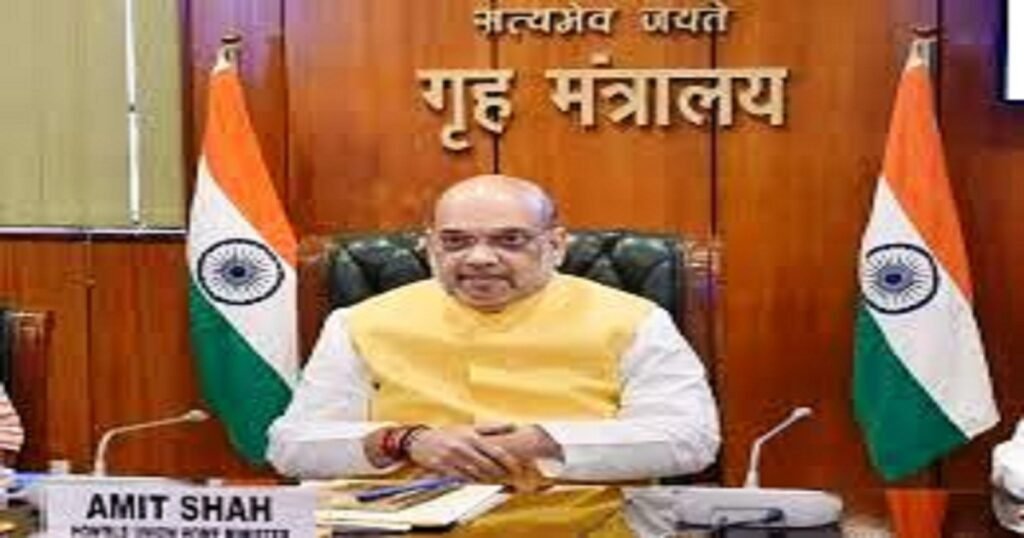
The Ministry of Home Affairs (MHA) has directed all states to establish such facilities, calling the law essential for national security. But critics argue it unfairly targets Muslim immigrants, particularly Bengali-speaking communities, and follows the controversial path of NRC and CAA.
The Act exempts Hindu, Sikh, Buddhist, Jain, Parsi, and Christian minorities from Afghanistan, Bangladesh, and Pakistan who entered India before December 31, 2024, even without valid documents. In contrast, Muslim immigrants are excluded, a move analysts warn could deepen communal and linguistic divides.
Opposition leaders accuse the BJP-led government of using the law as a political tool to reshape voter demographics in Tripura, Assam, and West Bengal, where migration and identity issues remain sensitive.
The law also places restrictions on foreigners working in sensitive sectors such as electricity, petroleum, and water supply, even with valid visas. Jobs in defense, nuclear energy, space, and human rights-related areas will now require prior clearance.
Meanwhile, Nepalese and Bhutanese nationals will continue to enjoy visa-free entry, except when traveling via China, Hong Kong, Macau, or Pakistan. Special provisions remain for Tibetan refugees who arrived between 1959 and May 30, 2003.
Legal experts have raised concerns over the law’s strict penalties—up to five years in jail or ₹5 lakh fine for illegal entry, and up to three years or ₹3 lakh fine for overstaying visas. Rights groups say this will only heighten fear among minorities, especially Bengali-speaking Muslims often branded as Bangladeshis.
Political observers believe the fallout will be sharpest in Tripura, Assam, and West Bengal, states where religious and linguistic divides already run deep.