


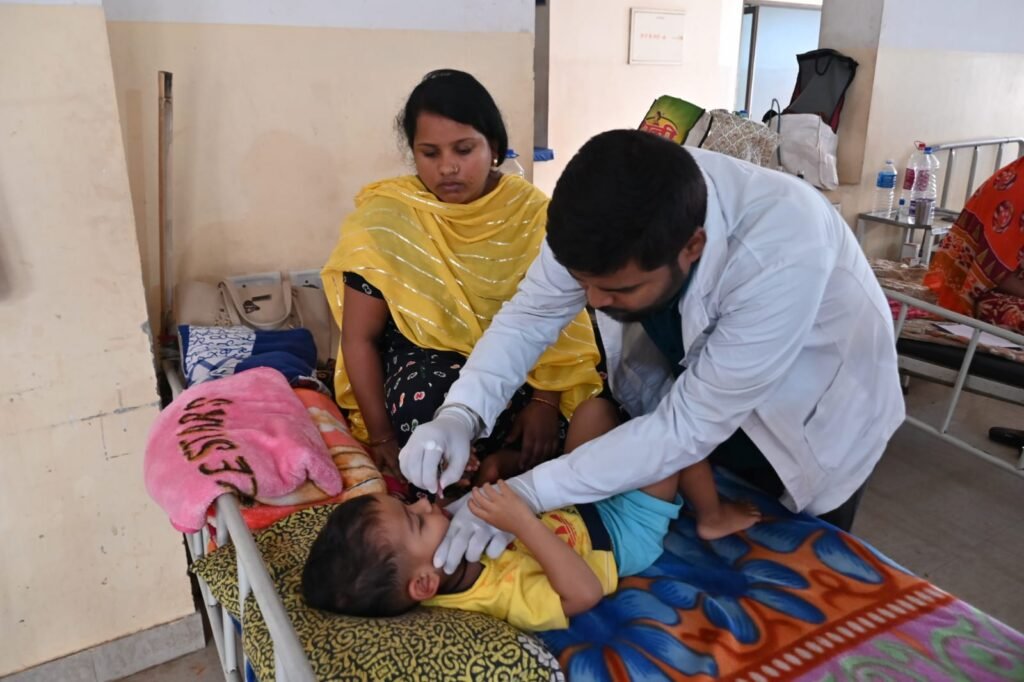
Tripura has achieved a major public health milestone as Tripura Infant Mortality Rate becomes a key indicator of progress following the release of the latest Sample Registration System (SRS) Bulletin by the Registrar General of India. The report confirms that the state has recorded its lowest-ever Infant Mortality Rate (IMR), marking a significant improvement in maternal and child healthcare outcomes. Officials and health experts view this achievement as the result of sustained investments in public health infrastructure, institutional deliveries, and improved access to neonatal care.
Sonamura Drug Bust Seizes 26kg Cannabis
Tripura Forest Staff Guards Armed Against Smuggling
Background
Infant Mortality Rate is a critical indicator of a region’s healthcare performance, reflecting the number of infant deaths per 1,000 live births. Across India, states have made steady progress in reducing IMR through improved healthcare delivery systems, vaccination coverage, and maternal health programs.
In this context, Tripura Infant Mortality Rate reflects long-term improvements in the state’s public health ecosystem. Over the years, targeted interventions such as expanded primary healthcare services, increased institutional deliveries, and better immunization coverage have contributed to better child survival outcomes.
Health departments have consistently focused on strengthening rural healthcare infrastructure to ensure early diagnosis and timely medical intervention.
Current Update
The Registrar General of India’s latest SRS Bulletin confirms that Tripura has achieved its lowest-ever Infant Mortality Rate. The data indicates a significant improvement compared to previous years, highlighting consistent progress in child health indicators.
The Tripura Infant Mortality Rate achievement has been attributed to improved healthcare access, stronger maternal care programs, and enhanced neonatal support systems across districts. Officials noted that health workers, frontline ASHA workers, and medical institutions played a key role in delivering timely care.
The state’s healthcare system continues to focus on preventive care, early detection, and institutional support to sustain this progress.
Key Details
The decline in IMR reflects improvements in multiple healthcare parameters, including antenatal care, safe delivery practices, and postnatal support. Increased immunization coverage and better nutrition programs have also contributed to improved outcomes.
The significance of the Tripura Infant Mortality Rate milestone lies in its reflection of strengthened healthcare delivery systems and effective policy implementation at the grassroots level.
Health experts emphasize that continued investment in rural healthcare infrastructure and awareness programs is essential to maintain and further improve these outcomes.
Impact and Public Significance
The reduction in infant mortality has a direct impact on overall public health and long-term demographic stability. It indicates better access to healthcare services and improved quality of maternal and child care.
From a governance perspective, Tripura Infant Mortality Rate highlights the effectiveness of sustained public health initiatives and coordinated healthcare delivery systems. It also reflects improved trust in institutional healthcare among rural populations.
The achievement is expected to encourage further strengthening of health infrastructure and preventive care programs.
What Happens Next
Health authorities are expected to continue expanding maternal and child healthcare services, with a focus on remote and underserved regions. Ongoing monitoring and targeted interventions will remain a priority to sustain low IMR levels.
Future strategies may include enhanced neonatal care facilities, improved nutrition programs, and expanded community health outreach. The long-term success of Tripura Infant Mortality Rate improvements will depend on continued policy focus and effective implementation.
Conclusion
Tripura’s record-low Infant Mortality Rate marks a significant achievement in the state’s public health journey. As highlighted in the latest SRS Bulletin, Tripura Infant Mortality Rate reflects strong progress in healthcare delivery and child survival outcomes. The milestone underscores the importance of sustained investment in health infrastructure and continued focus on maternal and child welfare.
FAQs
1. What does IMR stand for?
IMR stands for Infant Mortality Rate, which measures the number of infant deaths per 1,000 live births.
2. What is the significance of Tripura’s latest IMR achievement?
Tripura recorded its lowest-ever Infant Mortality Rate, marking a major milestone in public health progress.
3. Which report highlighted this improvement?
The latest Sample Registration System (SRS) Bulletin released by the Registrar General of India reported the achievement.
4. What factors may have contributed to the decline in IMR?
Improved maternal healthcare, institutional deliveries, child immunization, and expanded public health outreach likely supported the decline.
5. How does lower IMR benefit the state?
Lower infant mortality reflects stronger healthcare delivery and better outcomes for maternal and child health services.
6. What could be the next focus area after this milestone?
Authorities may continue strengthening neonatal care, preventive healthcare, and healthcare access in underserved areas.