


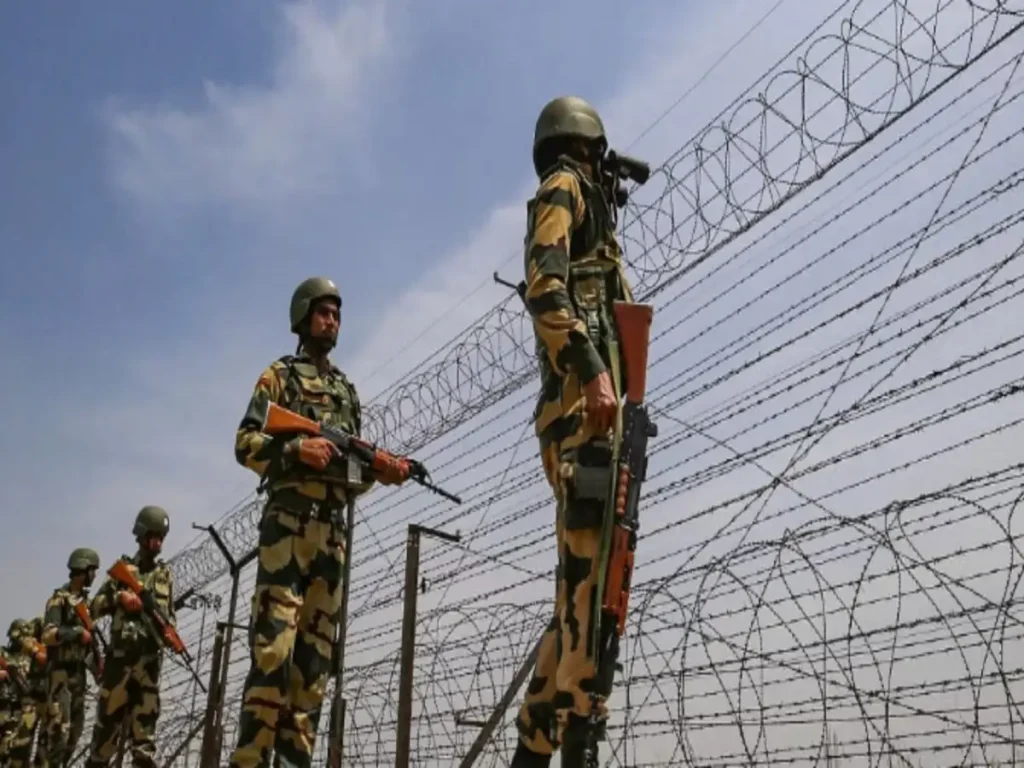
The Tripura inmate repatriation process concluded successfully after Pradip Chandra Pal, a resident of Tripura who completed a one-year prison sentence in Bangladesh, returned to India through the Paharmura BSF gate. The development followed coordinated diplomatic efforts and cooperation between Indian and Bangladeshi authorities. Moreover, the repatriation highlights the importance of bilateral coordination in resolving cross-border humanitarian and legal matters.
Northeast Braces for 5-Day Rain Spell
Guwahati IPL Betting Racket Busted
Tripura Resident Returns to India
Pradip Chandra Pal, a resident of Tripura, has successfully returned to India after completing a prison sentence in Bangladesh. Authorities facilitated the repatriation through the Paharmura Border Security Force gate following the completion of all necessary procedures.
Moreover, the return marks the conclusion of a legal process that involved cooperation between agencies on both sides of the international border. Officials ensured a smooth handover during the repatriation process.
Consequently, the development has drawn attention to the effectiveness of cross-border coordination mechanisms.
Bilateral Cooperation Facilitates Repatriation
The successful return of the Tripura resident resulted from coordinated efforts between Indian and Bangladeshi authorities. Diplomatic engagement and administrative cooperation played an important role in completing the repatriation process.
Furthermore, bilateral coordination often helps address legal and humanitarian matters involving citizens located across international borders. Such cooperation ensures that procedures remain orderly and transparent.
As a result, the repatriation proceeded without major complications.
Role of Diplomatic Channels
Diplomatic channels serve as a crucial bridge in resolving cross-border issues involving citizens. Governments frequently work together to address cases related to detention, legal proceedings, and repatriation.
Moreover, effective communication between authorities helps streamline documentation and verification processes. Timely coordination often reduces delays and facilitates smoother outcomes.
Therefore, diplomatic engagement remains an essential component of international cooperation.
Paharmura BSF Gate Used for Handover
Officials completed the repatriation process through the Paharmura BSF gate, which serves as an important point for coordinated border activities. Security personnel and administrative officials supervised the handover procedure.
Additionally, border agencies play a vital role in ensuring compliance with legal and security protocols during such operations. Proper coordination helps maintain efficiency and transparency.
Consequently, the handover was completed according to established procedures.
Importance of Legal and Administrative Procedures
Cross-border repatriation cases require adherence to legal and administrative requirements. Authorities must verify identities, complete documentation, and coordinate with relevant agencies before facilitating returns.
Furthermore, these procedures help ensure compliance with national laws and international norms. Thorough verification protects the integrity of the repatriation process.
As a result, careful planning remains essential in such cases.
Strengthening India-Bangladesh Cooperation
The successful repatriation reflects ongoing cooperation between India and Bangladesh on matters involving border management and citizen welfare. Both countries regularly engage in dialogue to address issues of mutual concern.
Moreover, collaborative efforts help strengthen trust and improve coordination between agencies. Constructive engagement often contributes to smoother resolution of cross-border matters.
Therefore, the case highlights the value of strong bilateral relations.
Humanitarian Significance of Repatriation
Repatriation carries important humanitarian significance because it allows individuals to return to their home country after completing legal obligations abroad. Families and communities often view such developments positively.
Additionally, coordinated returns help ensure that individuals receive appropriate support and assistance upon their arrival. Humanitarian considerations frequently play a role in these processes.
Consequently, repatriation efforts remain an important aspect of international cooperation.
Border Agencies Play a Key Role
Border management agencies contribute significantly to the success of repatriation operations. Their responsibilities include security verification, coordination with counterparts, and facilitation of official procedures.
Furthermore, efficient border administration helps maintain order and supports lawful movement across international boundaries. Professional coordination enhances the effectiveness of such operations.
As a result, border agencies remain central to cross-border cooperation efforts.
Public Interest in Cross-Border Cases
Cases involving repatriation often attract public attention because they involve legal, diplomatic, and humanitarian dimensions. Citizens frequently follow such developments closely, particularly when local residents are involved.
Moreover, successful outcomes reinforce confidence in institutional mechanisms designed to assist citizens abroad. Effective resolution demonstrates the value of cooperation among multiple agencies.
Therefore, the case has generated interest within Tripura and beyond.
Looking Ahead
Authorities are expected to continue working closely on similar matters involving citizens who require legal or administrative assistance across borders. Strong communication channels and established procedures can help facilitate future repatriation efforts.
Furthermore, continued cooperation between India and Bangladesh may strengthen the efficiency of such processes. Collaborative approaches often contribute to timely and effective outcomes.
Consequently, the successful repatriation may serve as an example of effective bilateral coordination.
Conclusion
The Tripura inmate repatriation of Pradip Chandra Pal marks a successful outcome achieved through coordinated diplomacy and administrative cooperation between India and Bangladesh. After completing a one-year prison sentence in Bangladesh, he returned to India through the Paharmura BSF gate under established procedures.
As both countries continue strengthening cross-border cooperation, such initiatives highlight the importance of diplomatic engagement, legal coordination, and humanitarian considerations in resolving international matters involving citizens. The successful repatriation stands as a positive example of effective bilateral collaboration.
FAQs
Who was repatriated to India?
Pradip Chandra Pal, a resident of Tripura, was repatriated after completing a prison sentence in Bangladesh.
How long was the prison sentence?
He completed a one-year prison term before returning to India.
Through which point did he return?
Authorities facilitated the repatriation through the Paharmura BSF gate.
What made the repatriation possible?
Coordinated diplomatic efforts and cooperation between Indian and Bangladeshi authorities enabled the process.
Why is the case significant?
It highlights effective bilateral coordination in handling cross-border legal and humanitarian matters.