


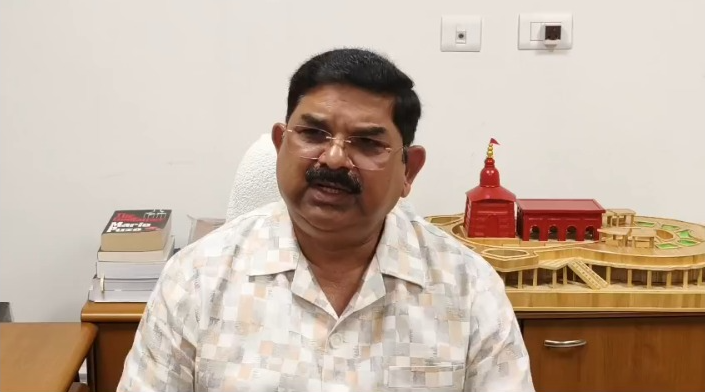
Tripura’s rubber industry has significant potential to become a major contributor to the state’s Goods and Services Tax (GST) revenue, according to Kul Prakash Singh, Chief Commissioner of the Guwahati Zone of CGST and Customs. During his visit to the state on Tuesday, Singh highlighted Tripura’s position as India’s second-largest rubber producer after Kerala. He said stronger coordination between government departments, the Rubber Board and businesses could improve tax compliance and increase revenue collection.
At the same time, he stressed the need for strict surveillance against tax evasion and cross-border smuggling along the Bangladesh border. Singh also urged traders to fulfil their tax obligations honestly while assuring them that the department would not tolerate unnecessary harassment of legitimate businesses.
Read More: Tripura Officials Visit Homes of Irregular Students in Charilam
Key Facts
- State: Tripura
- Key official: Kul Prakash Singh, Chief Commissioner, CGST and Customs, Guwahati Zone
- Main opportunity: Expanding GST revenue through the rubber industry
- Rubber production ranking: Second in India after Kerala, according to Singh
- Guwahati Zone coverage: Seven northeastern states
- Commissioner in Tripura: Kundan Yadav
- GST implementation: 2017
- Prosecution threshold: Singh referred to an increase from ₹1 crore to ₹5 crore under recent GST Council decisions
- Key enforcement concerns: Narcotics, gold, cattle and commercial goods smuggling
Tripura’s Rubber Industry Has Strong Revenue Potential
Speaking to journalists during his visit, Singh said Tripura’s rubber sector could play a bigger role in strengthening the state’s GST collection.
He noted that Tripura ranks second nationally in rubber production after Kerala. Therefore, the industry offers considerable scope to expand the state’s tax base through better compliance and coordination among government agencies and industry stakeholders.
Singh said departmental officials were already working with the Rubber Board and exchanging information to improve monitoring of the sector.
The objective, he explained, is to support legitimate trade while preventing tax evasion and revenue leakage. Manufacturers, traders and dealers in the rubber industry could all contribute to stronger GST collections.
CGST Chief Commissioner Completes Northeast Tour
Singh assumed charge as Chief Commissioner of the Guwahati Zone on April 22. His jurisdiction covers seven northeastern states and includes Customs, GST, Central Excise and Service Tax matters.
He said he had been visiting each state to understand local economic conditions, business challenges and the functioning of departmental offices. Tripura was the seventh and final state on his tour.
During the visit, Singh expressed satisfaction with the functioning of the CGST Commissionerate in Tripura. He also appreciated the administrative and trade-friendly initiatives introduced by Commissioner Kundan Yadav.
Singh described Yadav as the first regular Commissioner posted to Tripura following the introduction of GST in 2017. He said several systematic administrative changes had taken place under his leadership.
E-Invoicing Decision Still Pending
When asked about introducing e-invoicing in the rubber trade, Singh said the decision would rest with the Government of India in consultation with the Government of Bangladesh.
However, he clarified that no definite implementation date was available at present.
The proposed arrangement is expected to require coordination between the two countries. Further details will depend on decisions taken by the respective governments.
GST Recovery and Prosecution Rules
Singh also discussed the provisions relating to GST evasion and prosecution. He said the existing framework places greater emphasis on recovering unpaid taxes rather than immediately arresting those accused of evasion.
According to his explanation of recent GST Council decisions, prosecution can follow the issuance of a show-cause notice and formal confirmation of the tax demand.
He also referred to an increase in the prosecution threshold from ₹1 crore to ₹5 crore. The change, as described by Singh, reflects the revised approach to handling GST-related offences.
Works Contracts Currently Support Tripura’s GST Collection
Discussing the state’s revenue structure, Singh said a substantial share of Tripura’s current GST collection comes from works contract services.
Government-funded infrastructure projects undertaken by departments such as Public Works Department (PWD) and Irrigation contribute significantly to this revenue.
However, he identified the rubber industry as another important source with considerable room for growth.
Singh added that greater industrialisation, manufacturing and commercial activity could strengthen Tripura’s overall revenue base.
He also explained that GST is a consumption-based tax. Consequently, revenue depends not only on goods manufactured within the state but also on the volume of goods and services consumed there.
Strict Surveillance Against Cross-Border Smuggling
Singh highlighted Tripura’s geographical position along the international border with Bangladesh. He said the state’s difficult terrain, forests and river networks create challenges for enforcement agencies.
To address these concerns, Customs and other agencies are coordinating surveillance to prevent illegal cross-border activities.
The enforcement focus includes narcotics trafficking, gold and cattle smuggling, as well as the illegal movement of commercial goods such as betel nuts and cumin.
Singh said authorities were maintaining strict surveillance and strengthening coordination to make illegal activities increasingly difficult.
Message to Tripura’s Business Community
Singh urged traders and entrepreneurs to meet their tax obligations honestly and contribute to the economic development of Tripura and the country.
At the same time, he assured businesses that they should not face unnecessary harassment from departmental officials.
He advised traders who encounter such difficulties to approach the Commissioner, Additional Commissioner or other senior officers.
Singh stressed that businesses should operate without fear or external pressure as long as they comply with their legitimate tax liabilities.
Questions and Answers (FAQs)
1. How can Tripura’s rubber industry increase GST revenue?
Better tax compliance, stronger monitoring and coordination among manufacturers, traders, the Rubber Board and government departments could increase GST contributions from the sector.
2. What is Tripura’s position in India’s rubber production?
According to Kul Prakash Singh, Tripura ranks second in rubber production after Kerala.
3. Who is Kul Prakash Singh?
He is the Chief Commissioner of the Guwahati Zone of CGST and Customs, which covers seven northeastern states.
4. Has the government announced an e-invoicing date for the rubber trade?
No. Singh said the decision would require consultation between India and Bangladesh, and no definite date has been announced.
5. Which smuggling activities are under surveillance in Tripura?
Authorities are monitoring suspected narcotics, gold, cattle and commercial goods smuggling, including the illegal movement of betel nuts and cumin.
Location Context: Tripura’s Economic and Border Significance
Tripura’s rubber production, growing commercial activity and strategic location along the Bangladesh border make it important to the Northeast’s economic and trade network. Strengthening GST compliance in the rubber sector while improving border surveillance could support state revenue, legitimate businesses and regional economic development.
Also Read: Meghalaya Renovates State Library, Launches House of Ryndia