


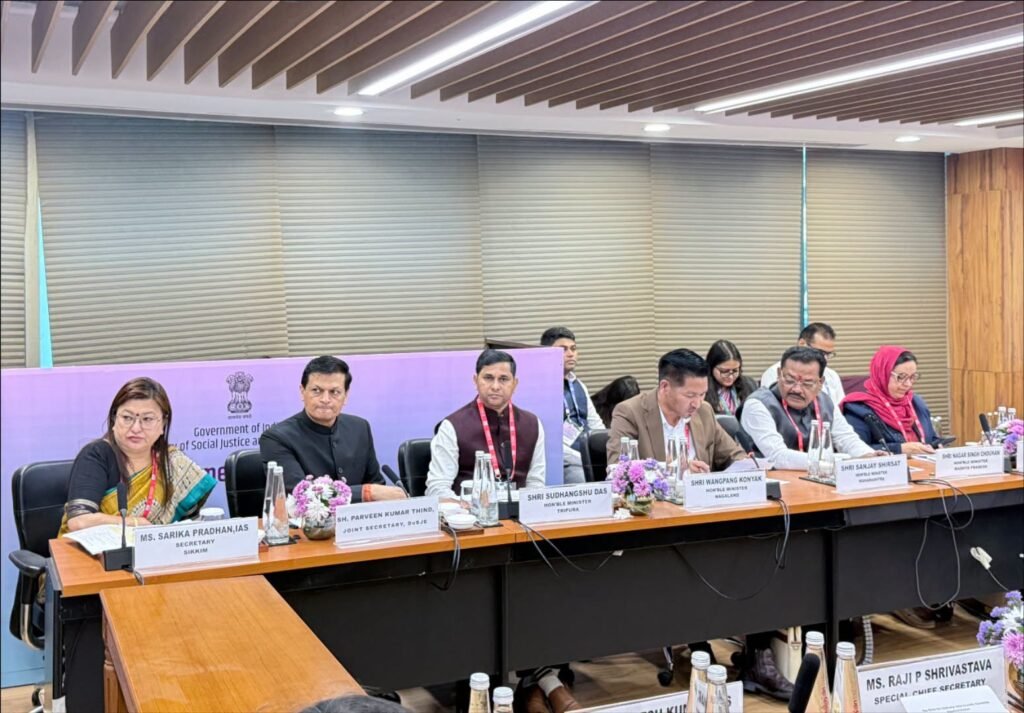
Tripura has called for stronger implementation of Pre-Matric and Post-Matric Scholarship schemes to improve educational support for Scheduled Caste (SC) students. State Minister Sudhangshu Das raised the issue during the second-day proceedings of the departmental summit on ‘Samaveshi Niti Sankalp’ in New Delhi on Thursday. He highlighted the state’s successful initiatives and administrative practices in delivering scholarship benefits to eligible students.
However, he also pointed out several challenges and bottlenecks affecting the implementation of these schemes. The minister presented policy suggestions and corrective measures to improve scholarship delivery. His recommendations aimed to ensure that more deserving students receive timely and effective educational assistance.
Read More: Tripura Congress Marks Indira Gandhi’s Birth Anniversary
Key Facts About Tripura’s Scholarship Recommendations
- State: Tripura
- Location of Summit: Sushma Swaraj Bhawan, New Delhi
- Event: Second-day proceedings of the ‘Samaveshi Niti Sankalp’ departmental summit
- Date: Thursday, November 19, 2026
- Representative: Sudhangshu Das, Tripura Minister for ARDD, Fisheries and Scheduled Caste Welfare
- Schemes Discussed: Pre-Matric and Post-Matric Scholarships
- Beneficiaries: Scheduled Caste students
- Main Focus: Improving scholarship implementation and addressing administrative challenges
Sudhangshu Das Highlights Tripura’s Experience
Minister Sudhangshu Das represented Tripura during the national-level discussions. He attended the opening session, which focused on reviewing existing scholarship programmes and exploring ways to improve their delivery.
During the session, Das highlighted several initiatives introduced by Tripura’s Scheduled Caste Welfare Department. These initiatives aim to make educational assistance more accessible to eligible students.
He also shared the state’s administrative experiences in implementing the Pre-Matric and Post-Matric Scholarship schemes.
Minister Points Out Implementation Challenges
While highlighting the department’s achievements, Das also discussed practical difficulties that affect scholarship delivery.
He explained the administrative bottlenecks faced by the state while implementing the two schemes. These challenges can affect the smooth distribution of educational assistance to eligible beneficiaries.
Therefore, the minister urged participants to consider practical solutions to overcome these difficulties.
He also presented several recommendations and possible corrective measures. His suggestions aimed to strengthen the existing system and improve the overall effectiveness of scholarship programmes.
National Summit Focuses on Better Scholarship Delivery
The ‘Samaveshi Niti Sankalp’ summit brought together representatives from different states to discuss educational welfare programmes and policy improvements.
The discussions provided an opportunity for states to share successful practices, identify common challenges and suggest administrative reforms.
Moreover, the summit focused on developing better mechanisms to ensure that welfare benefits reach the intended beneficiaries.
Tripura’s participation allowed the state to bring its field-level experiences and specific concerns into the national policy discussion.
Importance for Tripura and Northeast India
Scholarship programmes play an important role in helping students from economically disadvantaged communities continue their education.
For Tripura and other Northeast Indian states, effective implementation of educational welfare schemes can improve access to schooling and higher education.
The state’s recommendations at the national summit highlight the importance of addressing administrative gaps and ensuring that eligible Scheduled Caste students receive the support they need.
Questions and Answers (FAQs)
1. What did Tripura demand at the national summit?
Tripura called for more effective implementation of Pre-Matric and Post-Matric Scholarship schemes for Scheduled Caste students.
2. Who represented Tripura at the summit?
State Minister Sudhangshu Das represented Tripura at the departmental summit in New Delhi.
3. Where was the ‘Samaveshi Niti Sankalp’ summit held?
The summit took place at Sushma Swaraj Bhawan in New Delhi.
4. Which scholarship schemes were discussed?
The discussions focused on Pre-Matric and Post-Matric Scholarship schemes for Scheduled Caste students.
5. What recommendations did Tripura present?
The state highlighted successful initiatives, administrative bottlenecks and practical suggestions to improve scholarship delivery.
6. What was the main objective of Tripura’s participation?
The objective was to share field-level experiences and recommend improvements to ensure better access to educational assistance for eligible students.
Also Read: Meghalaya Launches e-Challan and EV Subsidy Portal