


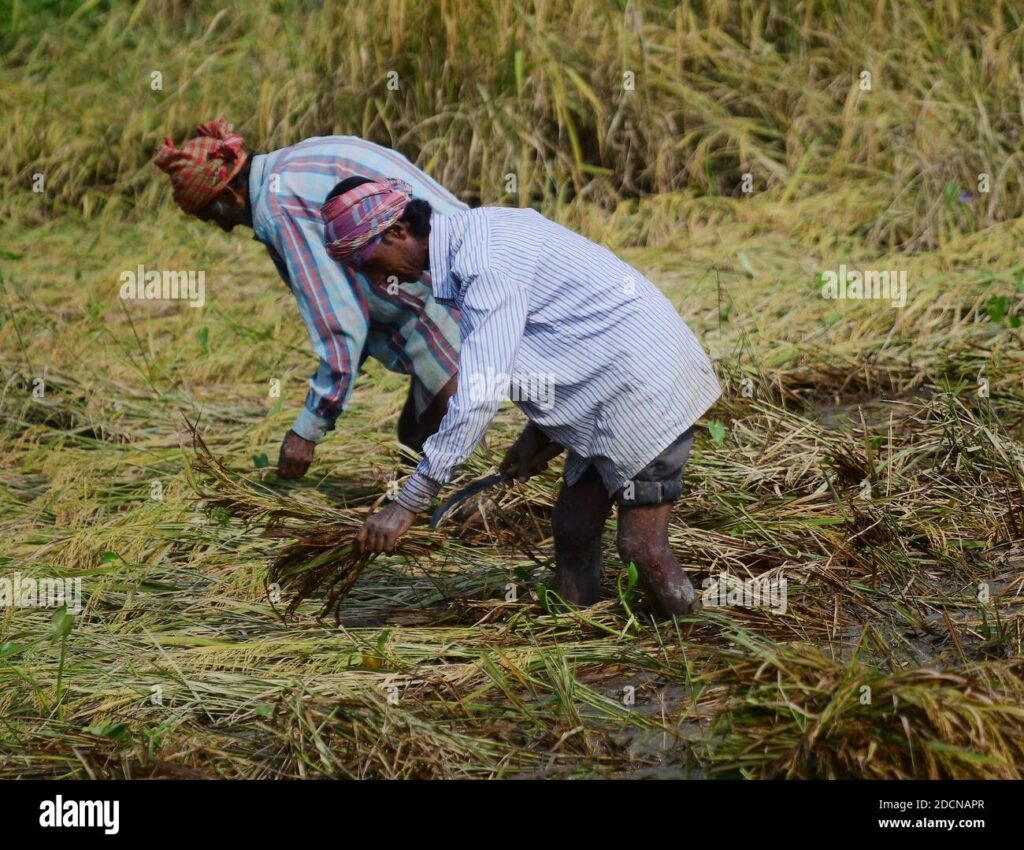
The Tripura natural farming mission has gained momentum after Agriculture Minister Ratan Lal Nath announced a target to bring 16,800 hectares of cultivable land under natural farming practices by the end of 2026. The initiative reflects the state’s commitment to sustainable agriculture, reduced dependence on chemical inputs, and environmentally friendly farming methods. Moreover, the ambitious plan aims to improve soil health, support farmers, and promote long-term agricultural sustainability across Tripura.
SIT Demand Grows in Nagaland POCSO Case
Mizoram Launches Ginger Farmer Protection Scheme
Tripura Sets Ambitious Natural Farming Goal
Tripura has unveiled a major agricultural target by announcing plans to convert 16,800 hectares of arable land into natural farming zones by the end of 2026. The announcement highlights the state’s growing focus on sustainable and eco-friendly agricultural practices.
Moreover, the initiative aligns with broader efforts to encourage environmentally responsible farming while enhancing agricultural productivity. By expanding natural farming coverage, the government aims to create a more resilient agricultural sector.
Consequently, the announcement has attracted attention from farmers, agricultural experts, and policymakers.
Agriculture Minister Outlines Vision
Agriculture Minister Ratan Lal Nath revealed the target as part of the state’s ongoing efforts to transform farming practices. The vision emphasizes reducing reliance on synthetic inputs and encouraging sustainable cultivation methods.
Furthermore, the initiative seeks to strengthen the agricultural sector by promoting techniques that support long-term productivity. Government-backed programs often play an important role in helping farmers adopt new practices.
As a result, the mission represents a significant step toward agricultural reform.
Understanding Natural Farming
Natural farming focuses on cultivating crops with minimal dependence on chemical fertilizers and pesticides. Instead, farmers utilize natural resources and biological processes to maintain soil fertility and crop health.
Moreover, the approach encourages environmentally sustainable methods that support ecological balance. Many agricultural experts view natural farming as a strategy for promoting long-term sustainability.
Therefore, several states have increasingly explored such practices in recent years.
Improving Soil Health
Healthy soil remains the foundation of successful agriculture. Excessive dependence on chemical inputs can sometimes affect soil quality over time, making sustainable alternatives increasingly important.
Furthermore, natural farming methods often emphasize improving soil structure, enhancing microbial activity, and preserving nutrient balance. Better soil health can contribute to stronger crop growth and agricultural resilience.
Consequently, soil improvement forms a major objective of the initiative.
Reducing Dependence on Chemical Inputs
One of the primary goals of natural farming is to reduce dependence on synthetic fertilizers and pesticides. Farmers often face rising costs associated with conventional agricultural inputs.
Moreover, lower reliance on chemicals can help reduce production expenses while supporting environmentally responsible farming practices. Sustainable alternatives may also contribute to improved ecosystem health.
As a result, the initiative seeks to encourage more cost-effective cultivation methods.
Benefits for Farmers
Farmers stand to gain from programs that promote sustainable and efficient agricultural practices. Reduced input costs, improved soil quality, and better long-term productivity can support agricultural livelihoods.
Additionally, government-backed initiatives often provide guidance, training, and technical support to facilitate adoption. Such assistance can help farmers transition more effectively to natural farming systems.
Therefore, farmer welfare remains a central aspect of the mission.
Supporting Environmental Sustainability
Environmental sustainability has become an increasingly important focus within agriculture. Farming practices that conserve natural resources can help address ecological challenges while maintaining productivity.
Furthermore, natural farming encourages responsible resource use and promotes biodiversity within agricultural ecosystems. Sustainable approaches often contribute to long-term environmental benefits.
Consequently, the mission aligns with broader environmental objectives.
Strengthening Agricultural Resilience
Agricultural resilience refers to the ability of farming systems to adapt to changing conditions and challenges. Sustainable cultivation methods can help strengthen resilience by improving soil quality and reducing dependency on external inputs.
Moreover, resilient farming systems are often better positioned to manage environmental and economic uncertainties. Governments frequently prioritize such approaches when planning long-term agricultural strategies.
As a result, resilience remains an important goal of the initiative.
Expanding Sustainable Agriculture in Tripura
The target of 16,800 hectares reflects Tripura’s commitment to expanding sustainable farming practices on a significant scale. Large-scale adoption can create positive impacts across rural communities and agricultural markets.
Additionally, successful implementation may encourage more farmers to embrace environmentally friendly cultivation methods. Broader participation can strengthen the overall effectiveness of the program.
Therefore, expansion efforts will remain crucial in the coming years.
Looking Ahead
Authorities are expected to continue promoting awareness, training, and support programs to achieve the 2026 target. Effective implementation will require collaboration among farmers, agricultural departments, and technical experts.
Furthermore, ongoing monitoring and evaluation can help ensure that the initiative delivers meaningful results. Continued investment in sustainable agriculture may support long-term growth and rural development.
Consequently, the coming years will be critical for achieving the state’s natural farming objectives.
Conclusion
The Tripura natural farming mission represents a significant step toward building a more sustainable and environmentally responsible agricultural sector. By targeting 16,800 hectares of farmland for natural cultivation by 2026, the state aims to improve soil health, reduce chemical dependency, and support farmer welfare.
As implementation progresses, the initiative could strengthen agricultural resilience, promote sustainable development, and create long-term benefits for farming communities. The ambitious target underscores Tripura’s commitment to modernizing agriculture through environmentally conscious practices.
FAQs
What is the target announced by Tripura?
The state aims to bring 16,800 hectares of cultivable land under natural farming by the end of 2026.
Who announced the initiative?
Tripura Agriculture Minister Ratan Lal Nath announced the target.
What is natural farming?
Natural farming is a cultivation method that minimizes the use of synthetic fertilizers and pesticides while relying on natural processes.
How can farmers benefit?
Farmers may benefit through lower input costs, healthier soil, and improved long-term sustainability.
Why is natural farming important?
It supports environmental conservation, soil health improvement, and sustainable agricultural development.