


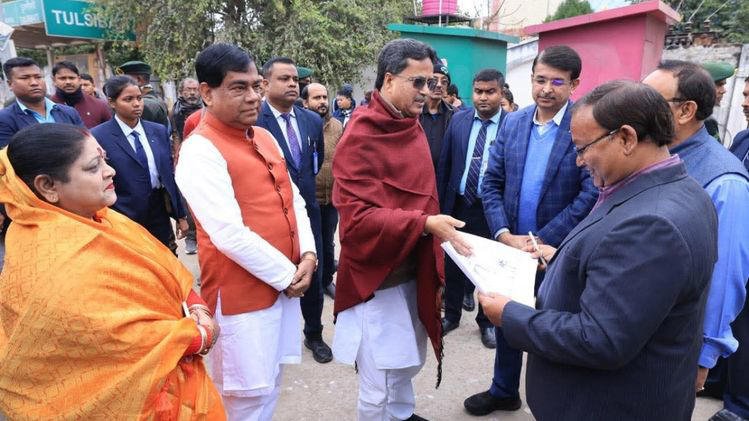
The Tripura government has announced plans for Jackson Gate restoration, marking a major step toward preserving the state’s royal heritage. Chief Minister Prof. Dr. Manik Saha made the announcement on December 30 during his visit to the proposed site of the historic gate in Agartala. The initiative aims to revive an important landmark associated with Tripura’s erstwhile royal era.
According to the Chief Minister, heritage structures reflect the cultural identity of the state. Therefore, protecting them remains essential for future generations. The decision has been welcomed by historians, cultural groups, and local residents.
Read More: African Swine Fever in Tripura: Epicenter Declared
Historical significance of Jackson Gate
Jackson Gate is closely linked to Tripura’s royal past and colonial-era administration. Built during a period of interaction between the Tripura monarchy and British officials, the gate stands as a reminder of the state’s historical journey. Its architectural style also reflects influences from that era.
Over time, the structure suffered due to neglect and urban growth. As a result, concerns grew about the loss of an important heritage site. Jackson Gate restoration now seeks to reverse that decline and bring the monument back into public memory.
CM Manik Saha’s vision for heritage conservation
During his visit, CM Manik Saha stressed that Jackson Gate restoration is part of a broader cultural revival plan. He said historical monuments should not remain forgotten relics. Instead, they should inspire pride and awareness among citizens.
The Chief Minister added that the government wants to honour Tripura’s royal legacy in a respectful and meaningful way. He believes preserving heritage also strengthens social and cultural bonds.
Integration with Tripura’s cultural initiatives
Jackson Gate restoration aligns with several heritage-focused initiatives launched by the Tripura government in recent years. These efforts include preserving royal records, promoting indigenous traditions, and restoring historic sites.
Officials believe that heritage conservation supports education and tourism. When restored properly, monuments can serve as learning spaces for students. They can also attract visitors interested in the region’s history.
Therefore, the government plans to ensure expert involvement in the restoration process. Authenticity and structural safety will remain key priorities.
Boost to tourism and local economy
Once completed, Jackson Gate restoration could enhance Tripura’s tourism appeal. Heritage tourists often seek lesser-known destinations with strong historical narratives. Jackson Gate fits that profile well.
The project may also generate local employment. Skilled workers, artisans, and support staff could benefit during the restoration phase. In the long term, tourism-linked activities may create additional income opportunities.
Experts note that restored heritage sites often host cultural events and exhibitions. Such activities could further increase public engagement with Tripura’s royal history.
Need for careful planning and execution
Heritage experts caution that restoration requires precision and planning. Jackson Gate restoration must rely on historical research and professional expertise. Using inappropriate materials or designs could damage the structure’s original character.
Urban challenges also need attention. Traffic management and environmental protection around the site will be important. The government has indicated that it will consult experts to address these concerns.
Public response and cultural pride
The announcement has generated positive public response across Tripura. Many residents see the decision as long overdue recognition of the state’s royal heritage. Cultural organisations have praised the government’s intent.
For many citizens, Jackson Gate restoration symbolises respect for Tripura’s past. It also reinforces the idea that development and heritage preservation can coexist.
Looking ahead
As the project moves forward, expectations remain high. CM Manik Saha has assured that the restoration will be carried out responsibly. Transparency and quality control will guide the process.
If successful, Jackson Gate restoration could become a model for future heritage projects in Tripura. More importantly, it may inspire renewed interest in the state’s historical legacy. The initiative reflects a commitment to preserving history while building a culturally aware future.
Read More: Amit Shah Assures Dialogue on Assam Council Status