


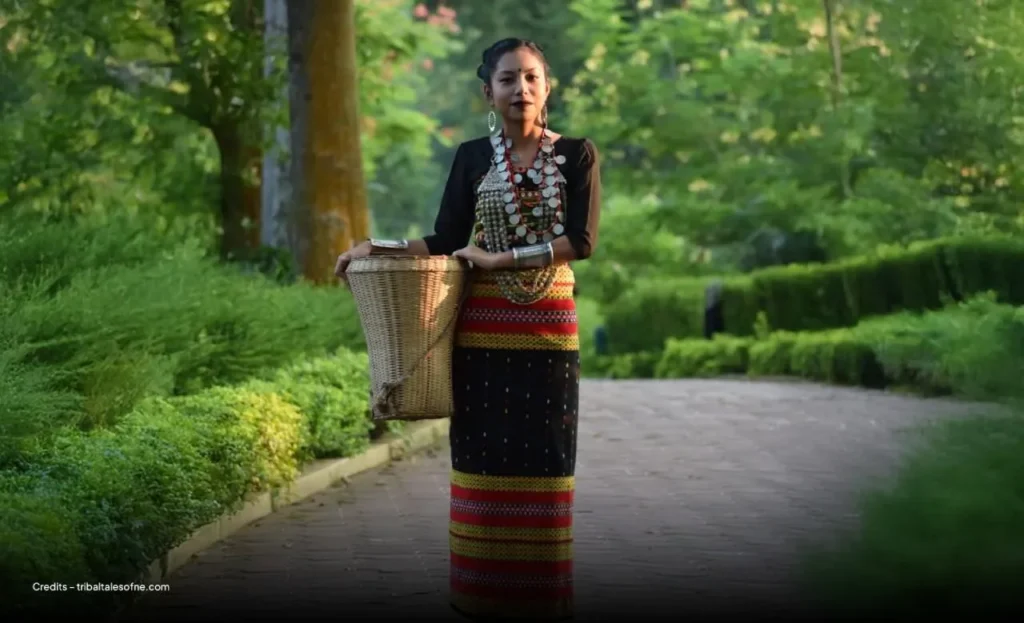
The Tripura Risa Digital Archive marks a significant cultural preservation initiative as the state culture department reportedly launched a digital archiving programme for traditional Risa textile weaves. The project aims to document patterns, techniques, and cultural knowledge associated with the traditional textile.
Rhino Poaching Foil: Anti-Poaching Task Force Arrests Three Suspects Near Orang National Park
The Tripura Risa Digital Archive could provide a long-term resource for researchers, artisans, students, and future generations. Moreover, digital documentation can help preserve traditional knowledge while making important cultural material easier to access.
Risa holds an important place in Tripura’s indigenous textile traditions. Therefore, recording its designs and weaving practices can support efforts to protect the heritage associated with the craft.
The initiative also connects traditional craftsmanship with modern technology. Additionally, digital archives can help create detailed records of patterns and techniques that might otherwise become difficult to preserve over time.
Tripura Risa Digital Archive Preserves Textile Heritage
The Tripura Risa Digital Archive focuses on documenting traditional Risa textile weaves and the knowledge associated with their production.
Moreover, traditional textiles often carry cultural meanings through their colours, patterns, motifs, and weaving techniques. Consequently, recording these elements can provide a more complete picture of Tripura’s textile heritage.
Digital documentation can include photographs, pattern records, descriptions, historical information, and details about weaving methods. Furthermore, such records can support future research and educational initiatives.
The archive can also help preserve knowledge held by experienced artisans. Therefore, documenting their techniques and experiences can help future generations understand how traditional Risa textiles developed.
Tripura Risa Digital Archive Supports Artisans
The Tripura Risa Digital Archive could provide benefits beyond cultural preservation by increasing visibility for traditional artisans and their work.
Additionally, digital platforms can introduce traditional designs to wider audiences. As a result, artisans and craft organisations may gain greater opportunities to showcase their skills and products.
The archive could also help younger artisans learn about traditional motifs and weaving methods. Meanwhile, designers can use documented information as a reference while developing contemporary products that respect traditional techniques.
However, digital preservation should complement rather than replace living craft traditions. Therefore, continued training, artisan support, and opportunities to practise traditional weaving will remain essential.
Tripura Risa Digital Archive Connects Culture and Technology
The Tripura Risa Digital Archive demonstrates how digital technology can support the preservation of indigenous cultural knowledge.
Moreover, digital records can remain accessible even as physical textiles age or become difficult to locate. Consequently, the archive can provide a durable reference for cultural institutions and researchers.
The initiative can also encourage educational engagement. Furthermore, schools, colleges, museums, and cultural organisations could use documented material to introduce younger audiences to Tripura’s textile traditions.
Technology can therefore complement community-based cultural preservation. At the same time, authorities should ensure that documentation respects the cultural ownership and knowledge rights of traditional communities.
Conclusion
The Tripura Risa Digital Archive represents an important cultural preservation effort after the state culture department reportedly launched digital archiving for traditional Risa textile weaves.
Furthermore, documenting patterns, techniques, and cultural knowledge can help preserve Tripura’s textile heritage while making valuable information accessible to researchers, artisans, students, and future generations.
Overall, the Tripura Risa Digital Archive demonstrates how digital technology can support traditional craftsmanship and strengthen efforts to protect Tripura’s rich indigenous textile heritage.
FAQs
1. What is the Tripura Risa Digital Archive?
The Digital Archive is a reported digital documentation initiative focused on preserving traditional Risa textile designs, weaving techniques, and associated cultural knowledge.
2. Why is Risa important to Tripura?
Risa forms an important part of Tripura’s indigenous textile traditions and carries cultural significance through its designs, patterns, and weaving practices.
3. How can digital archiving preserve traditional textiles?
Digital records can document patterns, techniques, photographs, historical information, and artisan knowledge, creating a long-term reference for future generations.
4. Can the archive help artisans?
Greater digital visibility can help showcase traditional craftsmanship and potentially create opportunities for artisans, designers, researchers, and cultural organisations.
5. Can technology replace traditional weaving?
No. Digital archives preserve information, but continued artisan practice, training, and community participation remain essential for keeping traditional weaving traditions alive.