


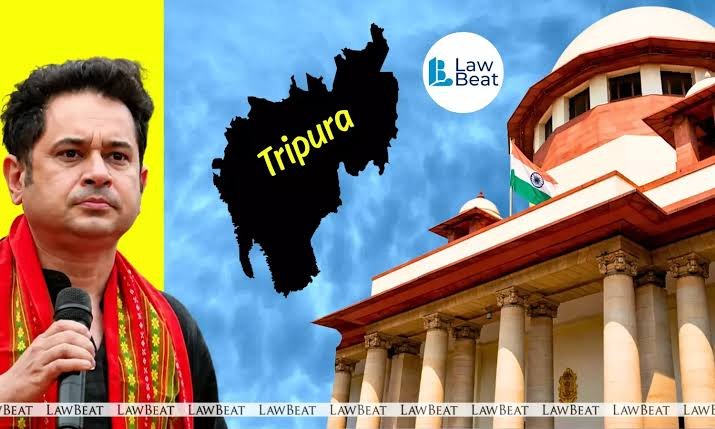
Tripura is preparing for its September 2026 village committee elections, setting the stage for a major grassroots political contest across the state’s tribal areas. The elections will bring local governance, indigenous representation, development, and political organisation into sharper focus.
The polls are expected to attract strong competition from major political forces, including TIPRA Motha, the BJP, and other organisations active in tribal areas. Moreover, the election schedule gives parties an opportunity to strengthen grassroots networks and select candidates who can connect directly with village communities.
Issues such as land protection, constitutional safeguards, language, employment, infrastructure, education, healthcare, and welfare delivery could shape the campaign. However, local concerns and candidate strength will likely influence individual contests as much as broader state-level political narratives.
Supreme Court Allows Kuki Legal Groups Access to Biren Singh Forensic Report
September 2026 Polls Set Grassroots Contest
The September 2026 elections will provide an important platform for choosing representatives at the village level.
Village committees play a role in connecting communities with local governance and development priorities. Furthermore, elected representatives can communicate village-level concerns to wider administrative institutions.
The elections could therefore influence how communities engage with local authorities.
However, the responsibilities of village committees differ from those of the Tripura Tribal Areas Autonomous District Council and the state government.
TIPRA Motha Faces Major Electoral Test
TIPRA Motha is expected to remain a major force in the tribal political contest.
The party has built its political platform around indigenous rights, constitutional safeguards, land protection, cultural identity, and political representation. Additionally, the September elections will allow the party to test its grassroots organisation across local communities.
A strong performance could reinforce TIPRA Motha’s political influence.
However, the party will face competition from the BJP and other political organisations.
BJP Prepares for Tribal Contest
The BJP will also have an opportunity to strengthen its grassroots presence during the elections.
The party can highlight government development programmes, welfare schemes, infrastructure projects, and employment initiatives. Moreover, its local campaign organisation could influence contests in areas where several political forces compete.
The September polls could therefore become an important test of the BJP’s tribal outreach.
However, local political dynamics may vary significantly between villages.
Indigenous Rights Could Dominate Campaign
Indigenous rights are likely to remain a central campaign issue.
Political parties may discuss constitutional safeguards, land security, cultural preservation, political representation, and community development. Furthermore, these issues can carry particular importance in areas where tribal identity forms a major part of political life.
TIPRA Motha is likely to maintain strong emphasis on these concerns.
However, voters may also focus on practical development issues.
Land Protection Remains Key Concern
Land protection could become one of the most important subjects during the campaign.
Land directly affects agriculture, livelihoods, settlement, and community identity. Moreover, indigenous voters may expect political representatives to protect existing safeguards and address concerns involving land administration.
Political parties will therefore need to explain their positions on land-related policies.
However, land concerns can differ from one community to another.
Language and Culture Enter Election Debate
Language and cultural preservation may also feature prominently.
Tribal languages form an important part of indigenous identity and cultural continuity. Additionally, education and public administration can influence the preservation and use of local languages.
Political organisations may therefore connect cultural protection with broader constitutional demands.
However, voters will also consider employment, education, healthcare, and infrastructure.
Development Issues Could Shape Voting
Local development will remain a major consideration during the September polls.
Communities may prioritise roads, drinking water, electricity, schools, healthcare facilities, agricultural support, and employment opportunities. Moreover, improved connectivity can provide better access to markets, education, and government services.
Candidates will need to address these practical concerns alongside political identity.
However, priorities will differ according to local conditions.
Candidate Selection Becomes Crucial
Political parties will need to select candidates carefully before the elections.
Village-level voters often consider candidates’ community relationships, reputation, accessibility, and understanding of local problems. Furthermore, strong candidates can help parties maintain support even when broader political competition becomes intense.
Candidate selection could therefore influence several closely contested committees.
However, individual popularity cannot guarantee electoral success.
September Polls Could Increase Political Competition
The scheduled elections are likely to intensify political activity across Tripura’s tribal areas.
Parties may increase village meetings, outreach programmes, candidate announcements, and campaign events as polling approaches. Additionally, local political leaders could become increasingly important as parties attempt to consolidate support.
The campaign could consequently become more competitive in the weeks leading up to polling.
However, the final contest will depend on candidate lists, alliances, and applicable election procedures.
TIPRA Motha’s Independent Strategy
TIPRA Motha’s recent emphasis on maintaining its political independence could add another dimension to the elections.
The party has stressed constitutional rights and indigenous safeguards while resisting pressure for immediate political realignment. Moreover, an independent campaign would allow TIPRA Motha to present its own candidates and priorities without relying on formal seat-sharing arrangements.
This could strengthen its distinct electoral identity.
However, contesting independently can also create greater risks of vote division.
Alliances Could Affect Local Contests
Political arrangements could influence the electoral landscape before September.
Parties may negotiate local understandings or coordinate in selected areas to avoid splitting their support bases. Furthermore, village-level alliances may not always mirror broader state-level political relationships.
This could create different competitive patterns across constituencies.
However, the final impact will become clearer once parties announce their candidates and electoral strategies.
Youth and Employment Remain Important
Young voters could make employment and economic opportunities major campaign issues.
Education, skills training, entrepreneurship, agriculture, and access to jobs remain important for rural communities. Moreover, better digital and physical connectivity can expand opportunities for young people.
Political parties are likely to address these concerns in their election campaigns.
However, voters will assess the credibility of campaign promises and previous development performance.
Elections Could Shape Tribal Politics
The September elections could have implications beyond village-level governance.
A strong performance by any political organisation could expand its grassroots network and strengthen local leadership. Conversely, unexpected results could force parties to reconsider their organisational and alliance strategies.
The elections may therefore provide an important indicator of political trends across Tripura’s tribal areas.
However, village committee results alone cannot determine the outcome of future Assembly or parliamentary elections.
Conclusion
The Tripura Village Committee Elections scheduled for September 2026 are set to become an important grassroots political contest across the state’s tribal areas. TIPRA Motha, the BJP, and other political organisations will seek to strengthen their local networks while addressing concerns involving indigenous rights, land, language, development, and political representation.
Moreover, the elections will test the strength of local candidates and party organisations. TIPRA Motha’s independent approach could add further competition, while rival parties may focus on development and welfare achievements.
Overall, the September 2026 polls could provide a valuable indication of changing grassroots political preferences in Tripura. The final outcome will depend on candidate selection, campaign strategies, local issues, alliances, and voter participation.
FAQs
1. When are Tripura’s village committee elections scheduled?
The village committee elections are scheduled for September 2026. The exact polling date should be confirmed through the competent election authority’s official notification.
2. Why are the village committee elections important?
They provide communities with an opportunity to choose grassroots representatives and influence local governance and development priorities.
3. Which issues could dominate the elections?
Indigenous rights, land protection, constitutional safeguards, language, employment, infrastructure, education, healthcare, and welfare could become major campaign issues.
4. What role could TIPRA Motha play?
TIPRA Motha is expected to remain an important political force in tribal areas and could use the elections to test its grassroots support.
5. Could the elections affect wider Tripura politics?
Yes. The results could influence grassroots organisation, local leadership, party strategies, and future political calculations across the state’s tribal areas.