


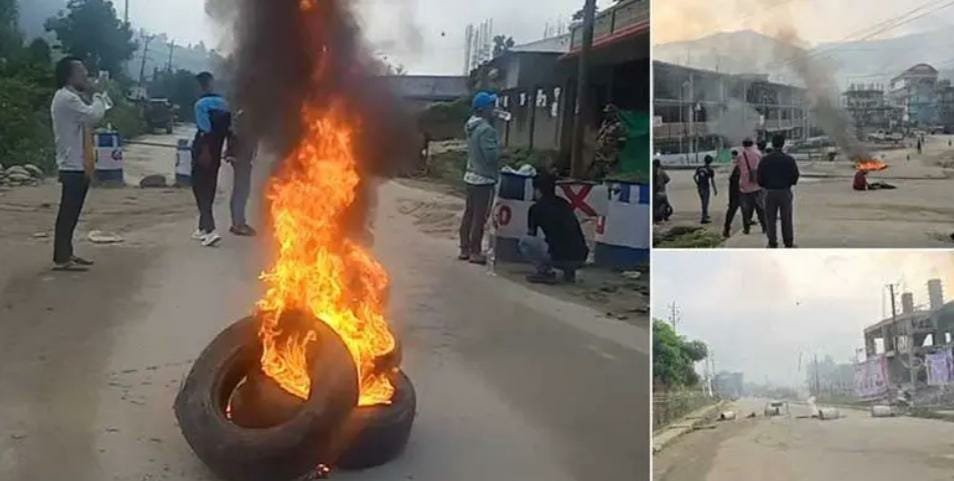
Life Comes to a Halt in the Upper Subansiri Bandh
In the scenic but restive terrain of Upper Subansiri district in Arunachal Pradesh, a 12-hour strike on 28 October 2025 brought normal life to a near-standstill. The widespread protest — the latest in the region’s growing activism — places the keyphrase “Upper Subansiri bandh” firmly in the spotlight of regional news coverage.
Residents, students and community-groups jointly called the protest. The strike began early morning and ran until 6 p.m., with shops shuttered, public transport suspended and schools closed. According to local union notices, the bandh was organised by the All Upper Subansiri District Students’ Union (AUSDSU) alongside other citizen collectives.
Why the Upper Subansiri Bandh?
The core grievance behind the Upper Subansiri bandh centres on the proposed Subansiri Upper Hydroelectric Project (1,650 MW). Locals have voiced concerns about displacement, environmental degradation and inadequate consultation. The state’s environmental public hearing was rescheduled to 28 October — the same day as the strike — an inter-linked occurrence underscoring mounting tension.
Student unions and local bodies demanded the permanent withdrawal or cancellation of the project. They argue that the piecemeal manner of public hearings and development plans neglects the social, ecological and cultural stakes for the region’s indigenous communities.
How the Bandh Unfolded
From dawn till dusk, the Upper Subansiri bandh visibly impacted daily routines:
- Public buses and minibuses operating out of the district headquarters, Daporijo, ceased service or ran minimal routes.
- Markets in key circles such as Siyum, Taliha and Payeng reported near-zero business activity.
- Schools in most villages remained shut or operated only nominally, with students joining rallies instead of class.
- Officials reported minimal disruption to essential services but acknowledged the discomfort caused to commuters and workers.
The union had issued an official circular earlier in the week, listing the strike hours and citing the project protest as impetus.
Broader Implications of the Upper Subansiri Bandh
While the Upper Subansiri bandh lasted only 12 hours, its implications extend beyond the immediate closure of shops and offices.
Development vs. Local Consent
The strife highlights a recurring friction in Northeast India: how mega-projects are negotiated with local communities. The Subansiri Upper hydropower initiative is emblematic of this conflict — offering potential energy gains yet carrying environmental and social risks. The bandh signals that the region’s youth and community-groups are insisting on greater voice and transparency.
Governance and Environmental Hearings
The timing of the public hearing on 28 October — coinciding with the bandh — underscores a governance challenge. The rescheduling itself reflects either misunderstanding of ground sentiments or a mis-timing of state-community engagement. Analysts argue that infrastructure projects in ecologically sensitive zones such as Arunachal Pradesh require deeper dialogue, not merely statutory hearings.
Travel, Livelihoods and Local Economy
Though short, the bandh exposed vulnerabilities in local mobility and livelihood chains. With transport halted and markets closed, daily-wage workers, small traders and rural vendors bore tangible impact. Repeated disruptions could deter investment, slow tourism, or weaken trust in administrative responsiveness.
What Happens Next?
Following the Upper Subansiri bandh, several developments are worth tracking:
- The environmental public hearing for the Subansiri Upper project is slated to address the concerns raised by community groups. Outcomes will be closely watched by both proponents and opponents.
- Local unions have indicated readiness to escalate actions if demands go unaddressed — ranging from longer shutdowns to boycotts of the hearing.
- NGOs and environmental analysts may use the strike as a lens to measure social consent in large-scale development projects in the Northeast’s sensitive zones.
- The state government faces a balancing act: maintaining momentum in hydropower development while ensuring affected communities are not disenfranchised.
Stay Informed, Stay Engaged
The Upper Subansiri bandh is not an isolated incident — it reflects deeper dynamics between development planning and community rights in India’s frontier regions. If you are a journalist, researcher or concerned citizen: follow updates from regional stakeholders, monitor hearing outcomes, and engage with voices from the district.
For readers, consider subscribing to newsletters focused on Northeast India affairs, climate and infrastructure debates. Share verified stories on social media to amplify local voices. Responsible coverage and informed commentary can drive nuance in how we understand protests like the Upper Subansiri bandh.