


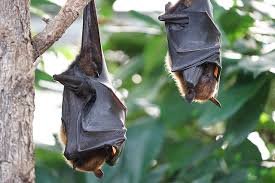
The Environmental Concerns Bat Populations Northeast have come into sharp focus after a recent report highlighted growing threats to bat species in the region. Increasing cave mining and hunting activities are putting immense pressure on these vital ecological contributors.
Moreover, the Environmental Concerns underline the urgent need for conservation efforts. As a result, environmentalists and researchers are calling for immediate action to protect these species.
High-Stakes Assam Poll Scene Gains Momentum Amid First Tea Flush
Role of Bats in the Ecosystem
The Concerns are particularly alarming because bats play a crucial role in maintaining ecological balance. Furthermore, they help in pollination, seed dispersal, and controlling insect populations.
Additionally, the decline in bat populations can disrupt ecosystems. Therefore, protecting bats is essential for biodiversity conservation.
Alarming Crime Against Women Statistics Reveal Justice Gap in Tripura
Impact of Cave Mining
Cave mining is a major factor contributing to the Environmental Concerns. Moreover, mining activities destroy natural habitats where bats live and breed.
In addition, disturbances caused by mining force bats to abandon their shelters. Consequently, this leads to population decline.
Threat from Hunting Practices
Hunting is another significant contributor to the Environmental Concerns of Bat Populations Northeast. Furthermore, bats are hunted for food and traditional practices in some areas.
Additionally, uncontrolled hunting reduces their numbers rapidly. As a result, it threatens the survival of several species.
Consequences of Declining Bat Populations
The Concerns have far-reaching consequences. Moreover, fewer bats mean increased insect populations, which can affect agriculture.
In addition, reduced pollination impacts plant growth and forest regeneration. Therefore, the ecological imbalance can have long-term effects.
Need for Conservation Measures
Addressing the Environmental Concerns of Bat Populations Northeast requires immediate conservation efforts. Furthermore, protecting caves and restricting mining activities can help preserve habitats.
Additionally, awareness campaigns can discourage hunting. Consequently, these measures can support population recovery.
Role of Government and Communities
The Environmental Concerns Bat Populations Northeast can be tackled through joint efforts. Moreover, governments can implement stricter regulations and policies.
In addition, community participation is essential for sustainable conservation. As a result, local involvement can ensure long-term success.
Future Outlook
The future of the Environmental Concerns Bat Populations Northeast depends on timely intervention. Furthermore, research and monitoring can provide better insights into conservation strategies.
Additionally, collaborative efforts between stakeholders can protect biodiversity. Therefore, sustained action is crucial.
FAQs
1. What are the main environmental concerns regarding bats in the Northeast?
Cave mining and hunting are the primary threats to bat populations.
2. Why are bats important for the ecosystem?
They help in pollination, seed dispersal, and insect control.
3. How does cave mining affect bats?
It destroys their natural habitats and disrupts breeding.
4. Is hunting a major issue?
Yes, hunting significantly reduces bat populations.
5. What can be done to protect bats?
Conservation efforts, awareness, and stricter regulations are needed.
6. Why is this issue important?
Declining bat populations can disrupt ecosystems and agriculture.
Conclusion
The Environmental Concerns Bat Populations Northeast highlight a critical environmental challenge. Moreover, the combined impact of cave mining and hunting poses serious risks to biodiversity.
In conclusion, addressing the Environmental Concerns Bat Populations Northeast requires immediate and sustained efforts to ensure ecological balance and environmental sustainability.