


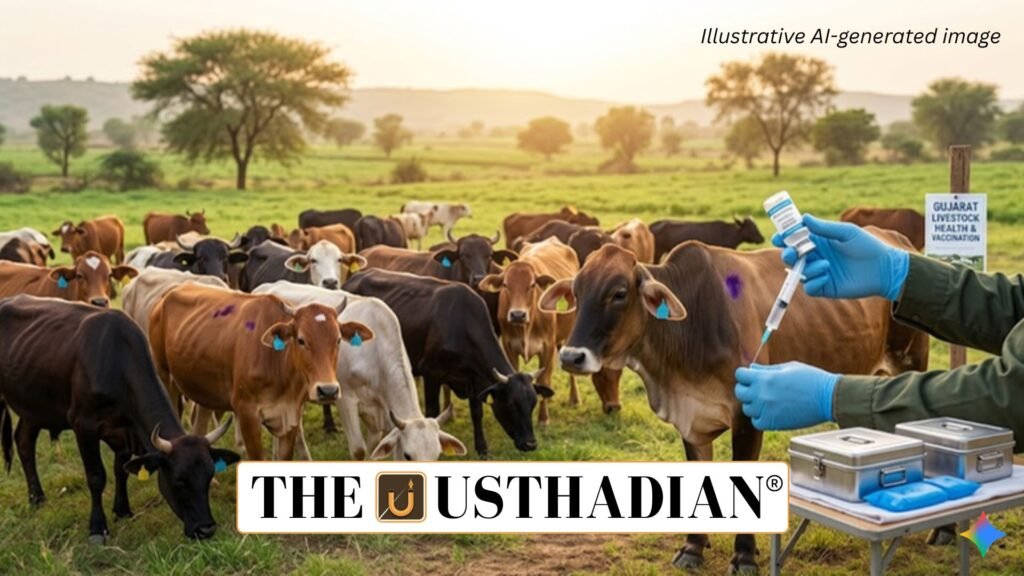
The Veterinary Camps initiative has been carried out after animal resource development teams organized cattle immunization camps against foot-and-mouth disease (FMD). The programme aims to protect livestock health, strengthen disease prevention measures, and support the livestock sector through timely vaccination services.
Demarcating Contentious Zones: Mizoram-Tripura Talks Focus on Finalising Boundaries
Veterinary Camps Conduct Cattle Immunization Against Foot-and-Mouth Disease
The Camps were organized by animal resource development teams to immunize cattle against foot-and-mouth disease. According to the available information, the camps focused on administering vaccines as part of preventive animal healthcare efforts.
Foot-and-mouth disease is a contagious viral disease that affects cloven-hoofed animals such as cattle. Moreover, preventive immunization plays an important role in reducing the risk of disease outbreaks and protecting livestock populations.
The latest initiative reflects the administration’s continued emphasis on strengthening veterinary healthcare services. Consequently, immunization camps have been organized to improve disease prevention among livestock.
Although the vaccination programme has been conducted, officials have not announced the number of animals immunized or the locations covered.
Veterinary Camps Strengthen Livestock Health Services
The Veterinary Camps highlight the importance of preventive veterinary care in maintaining healthy livestock populations. Regular vaccination programmes help improve animal health while supporting the long-term sustainability of the livestock sector.
Furthermore, veterinary teams provide immunization services that help reduce the spread of infectious diseases among cattle. Preventive healthcare also contributes to improved productivity and better livestock management.
Animal health programmes rely on timely disease prevention measures. Therefore, immunization camps remain an important component of veterinary public health initiatives.
The latest drive demonstrates continued efforts to safeguard livestock through organized vaccination programmes.
Camps Support Rural Livelihoods
The Veterinary Camps also support rural communities by helping protect cattle that contribute to agricultural and dairy-based livelihoods. Healthy livestock plays an important role in sustaining rural incomes and food production.
Moreover, regular vaccination reduces the likelihood of disease-related losses and promotes responsible livestock management practices. Continued veterinary outreach also improves awareness of preventive animal healthcare.
Government veterinary services frequently organize immunization campaigns to strengthen disease control. Consequently, the latest camps contribute to improving livestock welfare and rural economic stability.
According to the available information, the immunization drive specifically targeted foot-and-mouth disease in cattle.
Veterinary Camps Reflect Commitment to Animal Healthcare
The Veterinary Camps reflect the government’s commitment to strengthening animal healthcare through preventive disease management programmes. Expanding access to veterinary services helps improve livestock welfare while supporting farmers across rural areas.
Furthermore, coordinated immunization campaigns enhance disease surveillance and encourage regular animal health monitoring. Effective veterinary care also contributes to the resilience of the livestock sector.
Protecting animal health remains an important part of rural development and agricultural sustainability. Therefore, organized vaccination programmes continue to play a key role in preventing infectious livestock diseases.
The latest initiative underscores the administration’s continued focus on expanding veterinary outreach services.
Conclusion
The Veterinary Camps initiative has strengthened livestock healthcare through cattle immunization against foot-and-mouth disease. The programme demonstrates the importance of preventive vaccination in protecting animal health and reducing the risk of disease outbreaks.
Furthermore, organized immunization drives support rural livelihoods, improve veterinary healthcare delivery, and contribute to the long-term sustainability of the livestock sector. Continued disease prevention efforts also strengthen public confidence in animal health programmes.
Overall, the Veterinary Camps reflect the administration’s ongoing commitment to safeguarding livestock through systematic veterinary services and preventive healthcare initiatives. As vaccination programmes continue, authorities are expected to provide further official updates regarding future immunization campaigns.
FAQs
1. What are the Veterinary Camps?
The Veterinary Camps are animal healthcare programmes where veterinary teams immunize cattle against foot-and-mouth disease.
2. Which disease was targeted during the immunization drive?
According to the available information, the vaccination campaign targeted foot-and-mouth disease (FMD).
3. Who organized the Veterinary Camps?
Animal resource development teams organized the cattle immunization camps.
4. Why are Veterinary Camps important?
The camps help prevent livestock diseases, protect animal health, and support rural livelihoods through preventive veterinary care.
5. Have authorities announced the number of cattle vaccinated?
Based on the available information, officials have not released the number of animals covered during the immunization drive.