


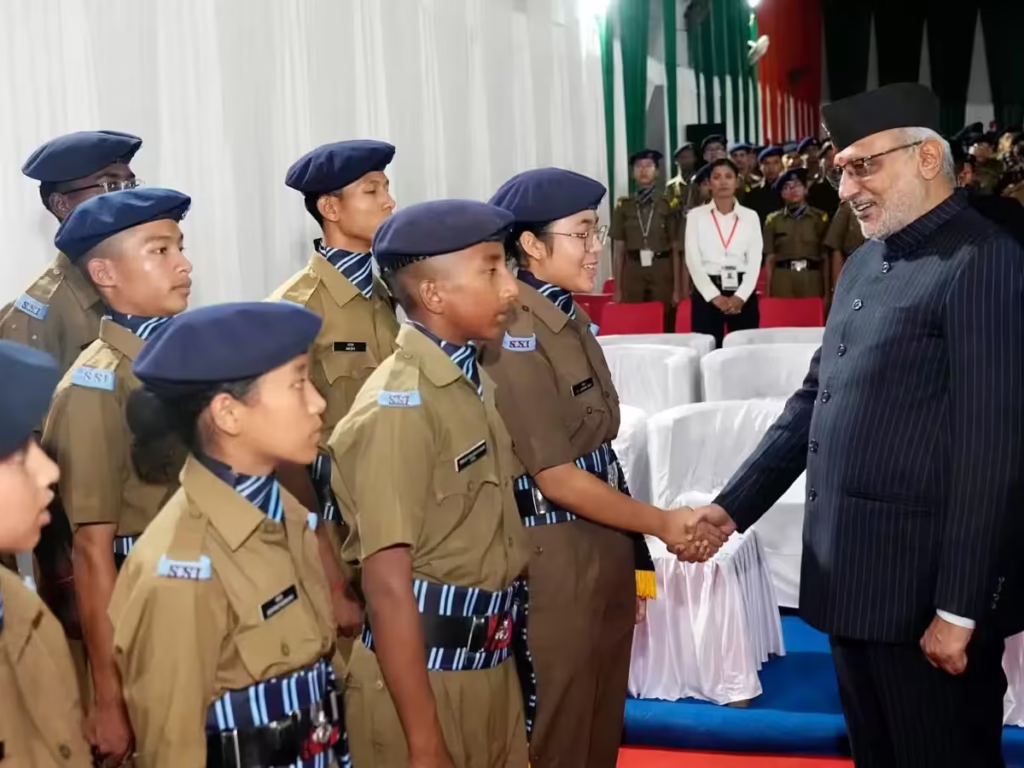
The Vice President Northeast Tour has begun with a four-day visit aimed at strengthening regional integration and engagement across the northeastern states. The tour highlights the importance of the Northeast in India’s broader development and connectivity priorities. Moreover, the visit provides an opportunity to engage with regional institutions, communities and stakeholders. The Vice President’s programme is expected to underline the region’s strategic, cultural and economic significance.
Tripura House Voter Verification Set for September 15 to October 14, 2026
Vice President Northeast Tour Begins Across Region
The Vice President Northeast Tour marks the beginning of a four-day programme focused on greater engagement with the northeastern region. The visit comes as the government continues to emphasise stronger integration between the Northeast and the rest of the country.
During the tour, the Vice President is expected to participate in programmes and engagements that highlight regional development. Such visits can also provide opportunities to understand local priorities and strengthen institutional connections.
Moreover, the Northeast holds considerable importance because of its geographical location, cultural diversity and economic potential. Therefore, greater engagement with the region can support efforts to strengthen its connection with national development initiatives.
Meanwhile, the four-day schedule gives the Vice President an opportunity to interact with different sections of society. These engagements can include public programmes, institutional interactions and discussions involving regional stakeholders.
Consequently, the tour has significance beyond its ceremonial aspects and reflects continued national attention toward the northeastern states.
Regional Integration Remains Central Focus
Regional integration remains an important theme of the Vice President Northeast Tour. The northeastern states have diverse cultures, languages and geographical characteristics, while also sharing strong historical and social connections.
Furthermore, improving integration requires attention to connectivity, education, infrastructure, economic opportunities and institutional cooperation. Visits by senior constitutional authorities can reinforce the importance of these areas.
The Northeast also serves as an important gateway to Southeast Asia. Therefore, stronger connectivity and economic integration can create opportunities for trade, tourism and regional development.
Additionally, engagement with local communities can help strengthen awareness of the region’s contribution to India’s cultural and economic landscape.
However, regional integration involves more than physical connectivity. It also depends on stronger institutional relationships and greater opportunities for people across the region.
The Vice President’s four-day visit therefore provides a platform to highlight these broader dimensions of integration.
Northeast Development Gains National Attention
The Vice President Northeast Tour also places regional development in the national spotlight. Over the years, governments have focused on improving infrastructure and connectivity across the northeastern states.
Road, rail and air connectivity can play an important role in linking remote areas with larger economic centres. Moreover, better connectivity can support businesses, education, tourism and employment opportunities.
Meanwhile, the region’s natural resources and cultural heritage offer significant potential for sustainable development. States across the Northeast possess distinctive traditions, landscapes and tourism opportunities.
Therefore, strengthening regional integration can complement development efforts by connecting local opportunities with wider national markets.
The Vice President’s engagements can also help highlight the achievements and challenges faced by institutions across the region. Furthermore, interactions with students, educators, public representatives and other stakeholders can provide valuable platforms for discussing regional aspirations.
Consequently, the visit comes at a time when the Northeast continues to receive greater attention in national development planning.
Four-Day Tour Highlights Northeast Engagement
The Vice President Northeast Tour will continue over four days, allowing the constitutional authority to engage with different parts of the region. Each engagement can contribute to a broader understanding of the opportunities and challenges facing northeastern states.
Moreover, such visits can strengthen communication between national institutions and regional stakeholders. Direct interaction can help bring local perspectives into wider discussions about development and integration.
The tour also carries symbolic significance. The presence of a senior constitutional authority in the Northeast can reinforce the region’s importance within the national framework.
Furthermore, regional integration can create stronger links between communities while encouraging cooperation across state boundaries.
However, the long-term impact of the visit will depend on how effectively discussions and commitments translate into continued engagement and development initiatives.
Therefore, the four-day programme should be viewed as part of a broader effort to maintain sustained attention toward the Northeast rather than as a standalone event.
As the tour progresses, public and institutional engagements will provide further opportunities to highlight regional priorities. Meanwhile, the visit is expected to keep regional integration, connectivity and development at the centre of discussions.
Ultimately, the four-day Northeast tour underscores the importance of maintaining strong national engagement with the region and recognising its role in India’s future growth.
Conclusion
The Vice President Northeast Tour has commenced with a four-day programme focused on regional integration and greater engagement with the northeastern states. Moreover, the visit highlights the region’s cultural, economic and strategic importance while providing opportunities for interaction with local stakeholders. As the tour continues, attention will remain on connectivity, development and stronger institutional engagement across the Northeast.
FAQs
1. What is the Vice President Northeast Tour?
The Vice President Northeast Tour is a four-day visit focused on engagement with the northeastern region and strengthening regional integration.
2. How long will the Vice President’s Northeast tour last?
The tour will continue for four days.
3. What is the main objective of the visit?
The tour aims to promote greater regional integration and engagement with the northeastern states.
4. Why is regional integration important for the Northeast?
Regional integration can strengthen connectivity, economic opportunities, institutional cooperation and links between the Northeast and the rest of India.
5. What areas could receive attention during the tour?
Regional development, connectivity, education, infrastructure, economic opportunities and engagement with local communities could form important areas of attention.