


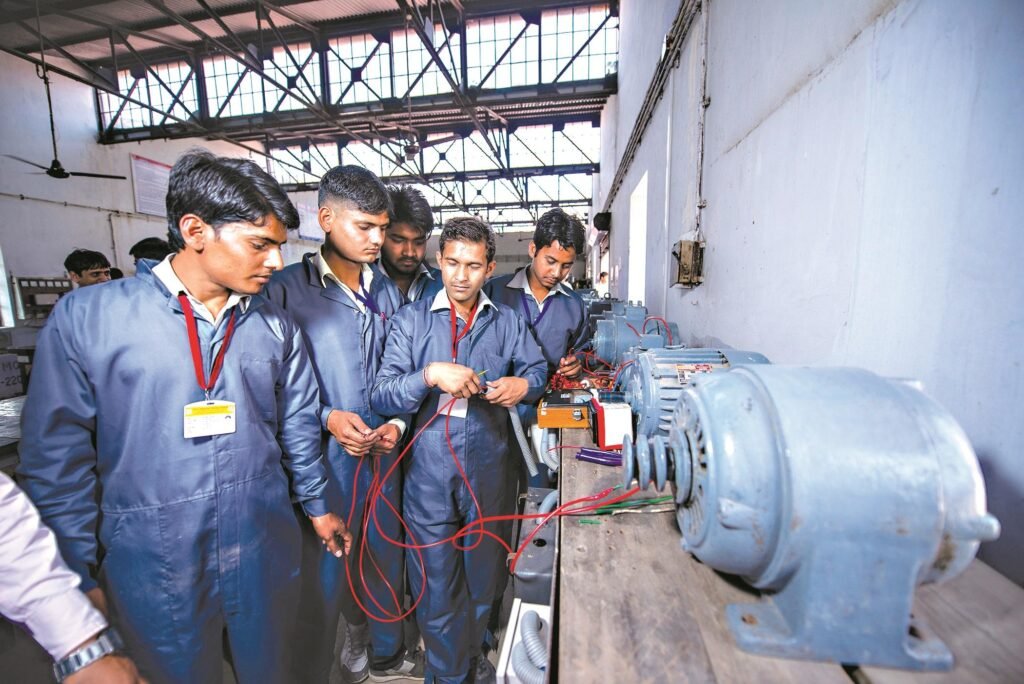
free skill training initiative gained attention after the “Vision for Change” program organized a large-scale skill-development session for local youths in the region. Meanwhile, organizers said the campaign aims to improve employment readiness and encourage self-reliance among young participants. The program included practical workshops, career guidance sessions, and vocational learning activities designed for students and unemployed youths. Additionally, community leaders praised the initiative for focusing on long-term economic empowerment through accessible training opportunities.
Himanta Sarma takes oath in Assam Assembly
Pamohi River Pollution Crisis: CPCB Flags Critical Environmental Concerns
Organizers Focus On Youth Employment Skills
Officials associated with the “Vision for Change” initiative stated that the training program targeted young people from different educational and social backgrounds. Consequently, participants received hands-on instruction in communication, technical skills, and workplace preparation. Trainers explained that the sessions emphasized practical learning methods instead of only theoretical discussions.
Local coordinators said unemployment remains a growing concern in several communities. However, they noted that structured training programs can improve confidence and career readiness among youths. At the same time, organizers encouraged participants to explore entrepreneurship and small business opportunities alongside traditional employment paths.
The free skill training initiative also included motivational sessions led by educators and social workers. Furthermore, trainers highlighted the importance of discipline, adaptability, and digital literacy in today’s changing job market.
Youth Participation Sees Strong Response
Hundreds of young participants reportedly attended the program during the multi-day training event. Meanwhile, students and job seekers expressed optimism about gaining practical knowledge that could improve future opportunities. Several participants described the workshops as useful because they addressed real workplace challenges.
Training sessions covered interview preparation, teamwork, communication skills, and basic digital tools. Specifically, instructors focused on skills that employers frequently demand in entry-level positions. Earlier, community organizations had requested similar programs to address rising concerns about youth unemployment and career uncertainty.
The free skill training initiative further created networking opportunities between trainers and participants. Consequently, several attendees said the event helped them understand available career paths and vocational options more clearly.
Community Leaders Welcome The Initiative
Social organizations and local leaders praised the effort for promoting constructive youth engagement. Meanwhile, educators noted that skill-development programs often help reduce frustration among unemployed young people. They also stressed the importance of continued support beyond short-term workshops.
Community representatives stated that many rural and semi-urban youths lack access to professional training facilities. In addition, they emphasized that free educational initiatives can bridge gaps in career preparation. Observers also pointed out that accessible training programs may encourage greater participation from economically weaker sections.
The free skill training initiative received support from volunteers and local institutions involved in educational outreach activities. Moreover, organizers confirmed that additional workshops may be planned in nearby areas if participation remains strong.
Experts Highlight Importance Of Vocational Learning
Employment experts said practical skill-development programs play a major role in improving workforce readiness. However, they also warned that training efforts must remain consistent to create long-term impact. Analysts believe short-term workshops become more effective when linked with internships, mentoring, or job placement support.
Several career counselors explained that employers increasingly seek communication abilities, digital awareness, and problem-solving skills alongside academic qualifications. At the same time, they encouraged educational institutions to strengthen partnerships with training organizations.
The free skill training initiative also renewed discussion about youth empowerment policies and local employment generation. Consequently, development experts urged authorities and nonprofit groups to increase investment in vocational education programs.
Participants Share Positive Experiences
Many attendees described the workshops as interactive and practical compared to conventional classroom learning. Meanwhile, trainers encouraged participants to continue improving their skills through regular practice and online learning resources. Several youths stated that the program boosted their confidence while preparing for future job applications.
Some participants also expressed interest in entrepreneurship after attending business awareness sessions during the training. In addition, volunteers guided students on resume preparation and professional communication techniques. Organizers claimed such activities help young people adapt more effectively to changing employment trends.
Community members attending the closing ceremony praised the initiative for creating a supportive learning environment. Specifically, parents and educators welcomed efforts focused on youth development and career awareness.
Future Expansion Plans Under Consideration
Program coordinators indicated that future training sessions may include advanced technical workshops and industry-focused modules. Furthermore, organizers are reportedly exploring partnerships with educational institutions and local businesses to expand opportunities for participants.
Officials associated with the initiative stated that continuous learning remains essential in a competitive employment market. Consequently, they encouraged youths to remain engaged with future training programs and career counseling events. Analysts also suggested that community-based skill programs can strengthen local economic development when implemented consistently.
The free skill training initiative may therefore become part of broader efforts aimed at improving youth employability and economic participation. Ultimately, organizers believe long-term investment in skills and education can create sustainable opportunities for future generations.
Conclusion
The free skill training initiative conducted under the “Vision for Change” program has drawn positive reactions from youths, educators, and community leaders. Meanwhile, participants continue highlighting the practical benefits of vocational learning and career guidance sessions. Organizers believe the initiative can strengthen employment readiness and encourage self-reliance among young people. Ultimately, continued training efforts may help create better economic opportunities and support long-term community development.
FAQs
Q1. What is the “Vision for Change” initiative? It is a community-focused program aimed at supporting youth development through training, education, and skill-building activities.
Q2. What was included in the training program? The workshops covered communication skills, interview preparation, teamwork, digital literacy, and career guidance.
Q3. Who participated in the free skill training initiative? The free skill training initiative mainly involved local youths, students, and job seekers from different backgrounds.
Q4. Why are skill-development programs important? Such programs help improve employability, workplace readiness, and confidence among young people entering the job market.
Q5. Will similar training sessions be organized again? Organizers stated that additional workshops may be planned depending on public participation and community support.
Q6. How did participants react to the event? Many attendees described the sessions as practical, interactive, and useful for career preparation and self-improvement.