


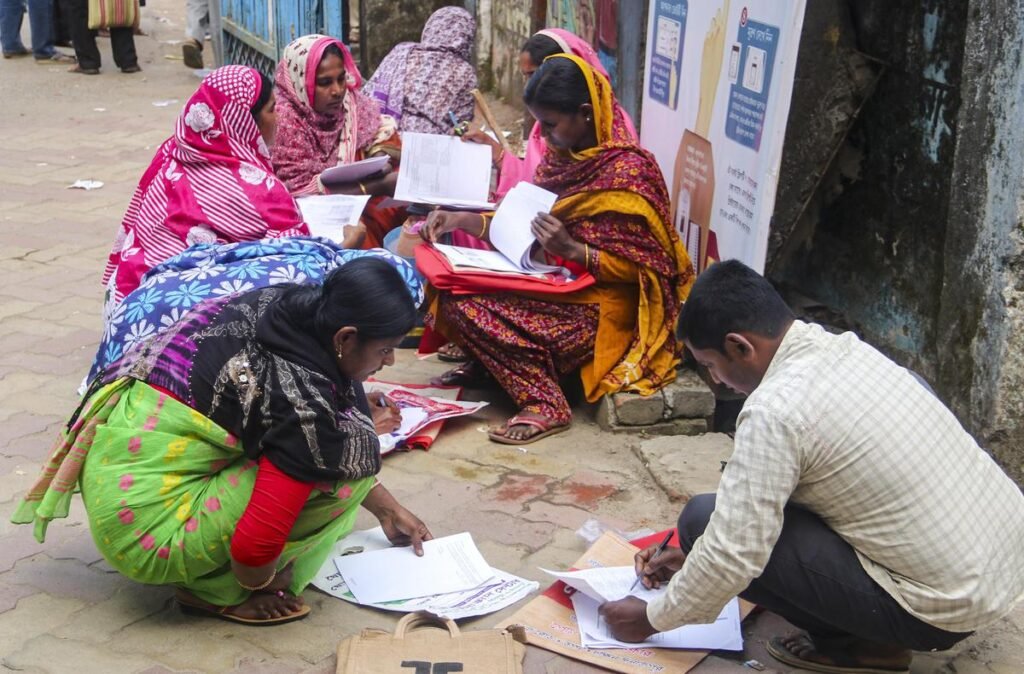
Concerns over potential voter deletions in Northeast India could trigger intense legal and political scrutiny as the Special Intensive Revision (SIR) 2026 process moves forward. Questions surrounding electoral rolls, documentation, citizenship claims, and due process could become increasingly important across the region.
The Northeast has several states with distinctive demographic, historical, and border-related circumstances. Moreover, political organisations and civil society groups may closely examine any changes to electoral rolls, particularly where large numbers of voters face verification or potential removal.
The issue could therefore generate constitutional and administrative debates. However, predictions of specific court battles remain uncertain because any legal challenge would depend on the actions of election authorities, affected voters, political parties, and the evidence presented in individual cases.
Tripura CEO Brijesh Pandey Locks Dates for Special Electoral Revision
SIR 2026 Puts Electoral Rolls Under Focus
The Special Intensive Revision process is designed to examine and update electoral rolls.
Such exercises can identify duplicate entries, incorrect information, deceased voters, or individuals who do not meet eligibility requirements. Furthermore, authorities may require voters to provide information or documentation during verification.
The process can therefore affect large numbers of electors.
However, any deletion from an electoral roll must follow the applicable legal procedures and provide affected individuals with the opportunity to raise objections where required.
Northeast Faces Distinct Electoral Challenges
The Northeast presents unique circumstances for electoral administration.
Several states share international borders, while communities have experienced migration, displacement, and demographic changes over decades. Moreover, difficult terrain and remote settlements can make documentation and administrative access more challenging.
These factors can make electoral-roll verification particularly sensitive.
However, demographic concerns must remain separate from individual determinations about voter eligibility.
Voter Deletions Could Trigger Disputes
Potential deletions from electoral rolls could become a major source of controversy if voters believe authorities removed their names incorrectly.
Political parties and civil society organisations may scrutinise the process for transparency and consistency. Additionally, affected voters could seek administrative remedies if they believe officials made errors.
Legal disputes could emerge if significant disagreements develop over the application of the rules.
However, not every disagreement over an electoral-roll entry automatically becomes a court case.
Due Process Becomes Central
Due process could become one of the most important legal questions surrounding SIR 2026.
Electoral authorities must follow the procedures established under election law when adding, correcting, or removing names. Furthermore, voters need accessible mechanisms to submit claims and objections where applicable.
Clear communication can help prevent unnecessary disputes.
However, the precise procedural safeguards depend on the legal framework governing the particular revision exercise.
Citizenship Questions Could Complicate Debate
Citizenship-related concerns could make electoral-roll discussions more politically sensitive.
The right to vote depends on legal eligibility, while citizenship itself involves separate constitutional and statutory frameworks. Moreover, questions about documentation can become complicated when individuals lack historical records or face discrepancies in official documents.
Authorities must therefore distinguish between electoral verification and broader citizenship determinations.
However, an electoral-roll review should not automatically be treated as a comprehensive citizenship determination.
Assam Could Face Particular Attention
Assam may receive significant attention because electoral rolls and citizenship have remained politically sensitive subjects in the state.
Political parties and community organisations may closely monitor verification exercises and potential changes in voter lists. Furthermore, any large-scale deletion could prompt demands for greater transparency and procedural review.
Legal scrutiny could follow if affected groups believe authorities failed to follow established procedures.
However, the scale and nature of any future legal challenge cannot be determined in advance.
Other Northeast States Also Matter
Concerns about electoral-roll revision extend beyond Assam.
States such as Tripura, Manipur, Mizoram, Meghalaya, Nagaland, Arunachal Pradesh, and others have their own demographic and political circumstances. Additionally, border locations and migration patterns can make voter verification an important public issue.
Political parties may therefore monitor the process across the region.
However, electoral rules apply according to the relevant legal framework rather than broad assumptions about an entire region.
Political Parties May Increase Scrutiny
Political parties are likely to pay close attention to changes in voter rolls.
Parties may compare electoral data, identify areas with unusual changes, and assist voters who face difficulties during the verification process. Moreover, opposition organisations could demand greater transparency if they believe deletions disproportionately affect particular communities.
The process could consequently become part of wider electoral competition.
However, political allegations require evidence and should not replace formal verification procedures.
Courts Could Face Constitutional Questions
If serious disputes arise, courts could potentially examine questions involving electoral rights, procedural fairness, administrative authority, and constitutional protections.
Challenges may focus on whether election authorities followed applicable rules and whether affected voters received adequate opportunities to respond. Furthermore, courts could examine whether administrative actions exceeded the authority granted under election law.
Such questions could have implications beyond individual cases.
However, courts would need to consider the specific facts, legal provisions, and evidence presented in each case.
Supreme Court Could Become Important
The Supreme Court could potentially become involved if major legal questions reach the country’s highest judicial forum.
A case could raise broader questions about electoral-roll procedures, constitutional rights, or the relationship between election administration and other legal frameworks. Moreover, decisions in significant cases could influence how future electoral revisions operate.
However, it would be premature to predict that the Supreme Court will necessarily hear a particular SIR-related dispute.
Documentation Could Become Major Challenge
Documentation could become a key issue for voters during the verification process.
Some individuals may possess multiple official records, while others may have incomplete or inconsistent documentation. Additionally, people affected by displacement, natural disasters, migration, or administrative changes may face greater difficulties locating older records.
Authorities may therefore need accessible procedures for resolving documentation problems.
However, the absence of one particular document does not by itself establish that a person is ineligible to vote.
Rural and Remote Communities Need Access
Geographical challenges could influence the effectiveness of the revision process.
Remote communities may face difficulties reaching administrative offices or obtaining information about deadlines and objection procedures. Furthermore, language barriers and limited digital access could make participation more difficult.
Election authorities and local administrations may therefore need effective public communication.
However, the specific assistance available will depend on official procedures and local arrangements.
Electoral Trust Could Become Central Issue
The credibility of the electoral-roll process will depend heavily on public confidence.
Transparent procedures, clear notices, accessible correction mechanisms, and consistent application of rules can strengthen trust. Moreover, publishing appropriate information about the revision process can help political parties and civil society organisations scrutinise its implementation.
A transparent process can reduce unnecessary speculation.
However, electoral authorities must balance transparency with legal requirements concerning voter information and privacy.
Why Legal Battles Could Become High-Stakes
Potential legal disputes could carry significant consequences because electoral rolls directly affect participation in elections.
If courts identify procedural problems, authorities may have to reconsider aspects of the revision process. Conversely, if courts uphold the procedures, political parties and affected groups would need to pursue remedies through the mechanisms provided by law.
The outcome of major litigation could influence future electoral-roll exercises.
However, the scale of any future legal challenge remains uncertain.
Conclusion
The possibility of voter deletions in Northeast India during SIR 2026 could create significant legal and political scrutiny, particularly in states where electoral rolls, documentation, migration, and citizenship questions already attract public attention.
Moreover, disputes could involve questions about due process, eligibility, administrative authority, and access to effective remedies. However, it remains too early to predict specific court battles or their outcomes because the legal response will depend on how the revision process unfolds and whether affected voters challenge individual decisions.
Overall, transparent procedures and accessible correction mechanisms will be crucial to maintaining confidence in the electoral-roll process. Any major legal dispute over SIR 2026 could ultimately test how electoral administration balances accurate voter lists with the protection of eligible voters’ rights.
FAQs
1. What is SIR 2026?
SIR refers to a Special Intensive Revision of electoral rolls, through which election authorities undertake a detailed process of reviewing and updating voter lists.
2. Why could voter deletions become controversial?
Deletions can become controversial if eligible voters believe authorities removed their names incorrectly or without following the required procedures.
3. Could SIR 2026 lead to court cases?
Potentially. Affected voters, political parties, or organisations could seek legal remedies if they believe authorities violated applicable electoral procedures or legal rights.
4. Could the Supreme Court become involved?
It could if significant legal questions reach the Supreme Court. However, it is not possible to predict in advance whether a particular SIR-related dispute will reach the court.
5. Why is the Northeast especially sensitive?
The region has complex demographic, border, migration, documentation, and historical circumstances that can make electoral-roll verification particularly sensitive.