


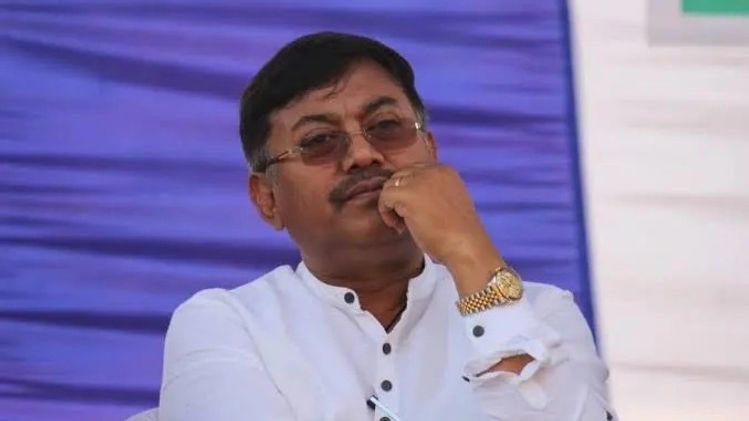
A heated exchange took place in the Manipur Assembly over the killing of four Naga civilians in Kangpokpi district, as legislators traded sharp remarks over the incident and the wider law and order situation in the state.
The deaths triggered strong reactions inside the Assembly. Members raised concerns over the safety of civilians and questioned the circumstances surrounding the killings. The incident also brought renewed attention to the continuing tensions and security challenges in Manipur.
The debate became increasingly intense as members expressed differing views on responsibility, accountability and the government’s response. The exchange reflected the deep concern surrounding violence in the state and its impact on ordinary people.
The killing of four Naga civilians in Kangpokpi has emerged as a serious issue, with legislators demanding answers and raising questions about the protection of civilians.
Read More: Assam CM Visits 1,200-Year-Old Negheriting Shiva Doul, Reviews Devotee Facilities
Heated Debate in Manipur Assembly
The issue sparked a war of words among members of the Manipur Assembly. Legislators strongly reacted to the deaths and expressed concern over the situation in Kangpokpi.
Members discussed the circumstances surrounding the killing of the four Naga civilians. Several legislators raised questions about security arrangements and the steps taken by authorities following the incident.
The debate highlighted the sensitivity of the issue. Violence involving civilians often creates fear among local communities and increases pressure on authorities to restore confidence.
The Assembly discussion also reflected the wider challenges facing Manipur. The state has witnessed prolonged tensions and violence, which have affected communities in several districts.
Lawmakers used the Assembly to voice their concerns and demand greater accountability. The exchange became heated as members disagreed over the handling of the situation.
Concerns Raised Over Civilian Safety
The killing of four civilians raised serious questions about public safety in Kangpokpi district. Legislators stressed the need to ensure the protection of people living in vulnerable areas.
Civilians often face the greatest impact during periods of violence and unrest. Fear and uncertainty can disrupt daily life and affect the movement of people.
Members of the Assembly expressed concern over the loss of civilian lives. They also discussed the responsibility of the administration and security agencies to maintain peace and prevent further violence.
The deaths have increased calls for stronger measures to protect communities. Lawmakers also stressed the importance of identifying those responsible and ensuring accountability.
Public confidence depends heavily on the ability of authorities to respond quickly to such incidents. A timely investigation and transparent action can help address concerns among affected communities.
The discussion in the Assembly showed that the issue remains politically and socially sensitive.
Kangpokpi Incident Sparks Political Reactions
The Kangpokpi incident quickly became a subject of political debate. Members of the Assembly exchanged arguments over the circumstances surrounding the deaths and the response of the government.
Such incidents often lead to competing political narratives. Different groups may question the actions taken by authorities and demand explanations.
The Assembly debate reflected these differences. Legislators put forward contrasting views and challenged each other’s positions.
However, the deaths of four civilians remained at the centre of the discussion. Members acknowledged the seriousness of the incident and the need to prevent further loss of life.
Political disagreements can often become intense during discussions on law and order. In Manipur, the issue carries additional significance because of the state’s complex social and security environment.
The exchange in the Assembly demonstrated the urgency attached to restoring peace and ensuring civilian safety.
Demand for Accountability and Investigation
The killing of the four Naga civilians has strengthened calls for accountability. Legislators raised concerns about how the incident occurred and what action authorities have taken.
A thorough investigation can help establish the sequence of events. It can also identify those responsible and determine whether any security failures occurred.
Lawmakers stressed that authorities must respond firmly to incidents involving civilian deaths. Accountability remains essential for maintaining public trust.
Families of victims and local communities often seek clear answers after such incidents. A transparent process can help address uncertainty and prevent rumours from spreading.
The Assembly debate placed additional pressure on authorities to provide information about the incident. Members also called for steps to ensure that similar violence does not occur again.
The handling of the investigation will remain important in the days ahead. Authorities will face expectations to establish the facts and take appropriate action.
Continuing Security Challenges in Manipur
The heated discussion over the Kangpokpi killings also highlighted Manipur’s continuing security challenges.
Violence and social tensions have affected several parts of the state. These developments have created major challenges for the administration and security forces.
Restoring normalcy requires coordinated action from the government, security agencies and local communities. Authorities must also address the concerns of people who have experienced violence and displacement.
Civilian protection remains one of the most important priorities. Security measures need to prevent violence while allowing people to continue their daily lives safely.
Political leaders also have an important role in reducing tensions. Responsible statements and constructive dialogue can help prevent further divisions.
The Assembly remains an important platform for discussing these issues. However, lawmakers face the challenge of balancing political differences with the wider need for peace.
The Kangpokpi incident has again shown the human cost of continuing instability.
Need for Peace and Community Confidence
The killing of four Naga civilians has caused concern among communities and renewed calls for lasting peace in Manipur.
Peace requires more than the absence of immediate violence. Communities must also feel secure and confident about their future.
Authorities need to respond effectively to incidents that threaten civilian safety. They must also work to prevent tensions from escalating.
Building trust between communities and institutions remains equally important. Dialogue, transparency and accountability can play a major role in this process.
The government and other stakeholders face the difficult task of addressing immediate security concerns while working towards long-term stability.
The situation in Kangpokpi has reinforced the need for continued efforts to protect civilians and restore normalcy.
Assembly Debate Highlights Urgency of the Issue
The war of words in the Manipur Assembly over the killing of four Naga civilians in Kangpokpi demonstrated the seriousness of the incident.
The heated exchange reflected strong political differences. At the same time, it highlighted widespread concern over the safety of civilians and the continuing security situation.
The deaths have raised important questions about accountability, investigation and the measures needed to prevent further violence.
As Manipur continues to deal with complex social and security challenges, the protection of civilian lives must remain a priority.
The response to the Kangpokpi killings will be closely watched by affected communities and political leaders. A credible investigation and effective action can help establish accountability and restore public confidence.
The Assembly debate has once again brought attention to the urgent need for peace, security and stability in Manipur. Preventing further loss of civilian lives will remain central to efforts aimed at restoring lasting normalcy across the state.
Read More: Himachal Pradesh University Faculty Protest Against Recruitment Bill