


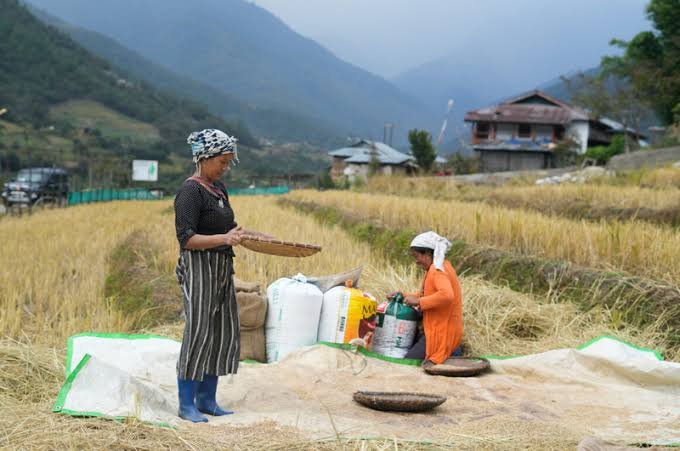
The Water Connectivity milestone marks a major development for rural communities in Arunachal Pradesh and Mizoram, with both states achieving 100% tap water coverage in rural areas. The achievement reflects continued efforts to expand household water connections and improve access to reliable drinking water. Moreover, wider tap-water access can strengthen public health, sanitation and everyday living conditions. The milestone also highlights the importance of water infrastructure in improving quality of life across Northeast India.
Nagaland Heritage Conservation: State Takes Over Preservation of WWII Remnants in Kohima
Water Connectivity Reaches Rural Households
Arunachal Pradesh and Mizoram have made significant progress in expanding rural drinking-water infrastructure. Achieving 100% coverage means rural households across both states have access to tap-water connections under the programme.
Furthermore, the achievement represents an important infrastructure milestone for geographically challenging regions. Arunachal Pradesh and Mizoram feature mountainous terrain and dispersed settlements, which can make water infrastructure development particularly demanding.
Therefore, extending household connections requires sustained investment, planning and coordination between government agencies and local communities.
Additionally, reliable household water access can reduce the need for families to depend on distant water sources. This can make daily household activities more convenient, particularly in remote villages.
Water Connectivity Improves Rural Living Conditions
Access to a reliable water supply can influence several aspects of daily life. Households with tap connections can use water more conveniently for drinking, cooking, cleaning and sanitation.
Moreover, dependable water access can support better hygiene practices. Regular availability can make it easier for families to maintain sanitation routines and manage household needs.
The benefits can also extend to schools, community institutions and other rural facilities when water infrastructure reaches them.
Furthermore, improved water infrastructure can save time for households that previously spent significant effort collecting water from distant sources. That time can instead support education, livelihoods and other activities.
Consequently, the expansion of tap-water coverage represents more than a physical infrastructure achievement. It can contribute to broader improvements in rural living standards.
Water Connectivity Strengthens Northeast Development
Water infrastructure plays an important role in inclusive regional development. Rural communities need dependable basic services to support healthier and more productive lives.
Moreover, improved water access can complement investments in roads, electricity, healthcare and digital connectivity. Together, these services can help remote communities participate more effectively in economic and social development.
Arunachal Pradesh and Mizoram also face distinctive geographical conditions. Consequently, maintaining water infrastructure across mountainous and remote areas requires continued attention even after households receive connections.
Additionally, local participation can help communities manage and maintain water systems effectively. Strong monitoring and maintenance can ensure that infrastructure continues to deliver reliable services over time.
The achievement therefore provides a foundation for further improvements in rural infrastructure across both states.
Water Connectivity Requires Long-Term Sustainability
Achieving full coverage represents an important milestone, but maintaining reliable service remains equally important. Water infrastructure needs regular maintenance, monitoring and timely repairs to ensure continued availability.
Furthermore, authorities must consider seasonal variations, water-source sustainability and the challenges associated with remote locations.
Climate variability can also affect water availability and infrastructure resilience. Therefore, long-term planning should focus not only on household connections but also on protecting and managing sustainable water sources.
Meanwhile, community participation can help identify local problems and support the effective operation of village-level water systems.
The Water Connectivity milestone in Arunachal Pradesh and Mizoram consequently demonstrates the progress that targeted infrastructure programmes can achieve. Maintaining that progress through sustainable water management can help ensure that rural households continue to benefit from reliable tap-water access.
Conclusion
The Water Connectivity milestone in Arunachal Pradesh and Mizoram represents a significant achievement in rural infrastructure, with both states reaching 100% tap-water coverage. The expansion can improve household convenience, hygiene and rural living conditions. Moreover, continued maintenance, sustainable water management and community participation will remain essential to ensuring that these connections provide reliable benefits over the long term.
FAQs
1. Which states have achieved 100% rural tap-water coverage?
According to the information provided, Arunachal Pradesh and Mizoram have achieved 100% tap-water coverage in rural areas.
2. Why is rural tap-water connectivity important?
Reliable household water access can improve convenience, hygiene, sanitation and overall living conditions.
3. How can tap-water connections benefit rural households?
They can provide easier access to water for drinking, cooking, cleaning and other everyday household needs.
4. Why is water infrastructure challenging in the Northeast?
Mountainous terrain, remote settlements and difficult geographical conditions can make infrastructure construction and maintenance more complex.
5. What is important after achieving 100% coverage?
Authorities need to focus on regular maintenance, sustainable water sources, service reliability and community participation to preserve the achievement.