


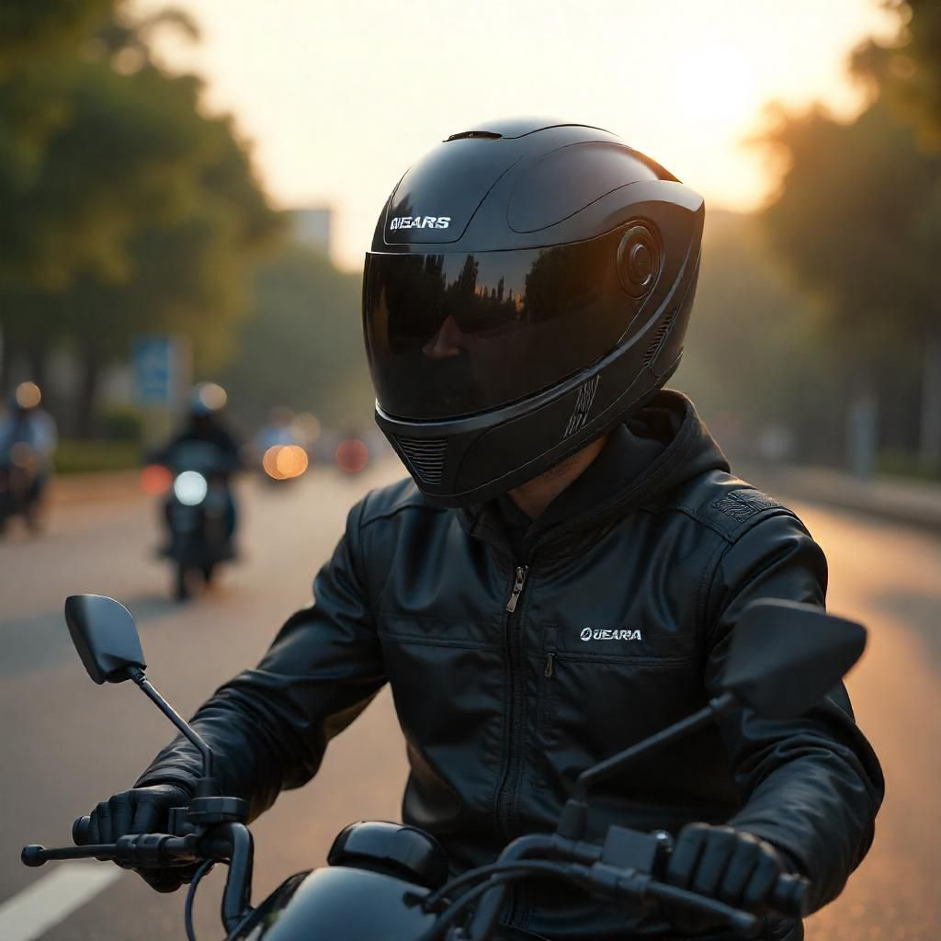
Most riders wear a helmet because it’s required. Few actually check what’s written on the back. Those small labels like ISI, DOT, ECE might look like random letters. They’re not. They decide how well that helmet can protect you when things go wrong. And that’s the part that really matters.
What Are Helmet Safety Ratings?
A helmet isn’t just plastic and padding. It’s tested, sometimes very aggressively, to make sure it can handle real-world crashes. Safety ratings are basically proof of that testing. They check things like:
- Impact absorption (how well it reduces head injury)
- Penetration resistance (can sharp objects break through?)
- Strap strength (will it stay in place?)
- Visibility (can you see clearly while riding?)
So no, those stickers aren’t decorative. They’re the difference between basic protection and actual safety.
Most Common Helmet Certifications
Now here’s where it gets slightly confusing. Different regions follow different standards, but a few are widely recognised.
1. ISI (India Standard)
This is the most common certification you’ll see in India, and it’s legally required.
- Ensures basic safety compliance
- Tests for impact, fit, and durability
- Mandatory for helmets sold in India
It does the job. But that’s the thing. It’s a minimum standard, not the highest.
2. DOT (US Standard)
DOT is widely seen on helmets, especially in the Indian market.
- Tests for impact, penetration, and retention
- Requires minimum safety performance
- Manufacturers largely self-certify compliance
That last point matters. It’s reliable, but depends a lot on the brand.
3. ECE (European Standard)
This is where things get stricter.
- Tested across multiple impact points
- Includes visor, strap, and material durability checks
- Recognised in over 50 countries
ECE, especially the latest versions, is often considered more comprehensive because it simulates a wider range of real-world crash scenarios.
4. Snell (Advanced Testing Standard)
Snell is not mandatory, but it’s known for being rigorous.
- Independent testing by a non-profit organisation
- Higher impact testing standards
- Voluntary certification for premium helmets
Not every rider needs this level. But it’s often seen in high-performance or racing helmets.
So Which Helmet Rating Should You Choose?
There’s no one-size answer. But here’s a practical way to look at it:
- For daily city riding → ISI-certified (minimum requirement)
- For better safety → ISI + ECE combination
- For highway or long rides → ECE or Snell-rated helmets
That said, the fit and quality of the helmet matter just as much as the certification. Because even the best-rated helmet won’t help if it doesn’t stay in place.
Why Helmet Ratings Matter More Than You Think
Here’s the uncomfortable truth. Most accidents don’t give you time to react. And in those few seconds, your helmet is doing all the work. A certified helmet can:
- Reduce the severity of head injuries
- Absorb impact forces more effectively
- Stay intact during multiple impacts
A non-certified one? It might not even survive the first hit.
Where Insurance Fits Into This
A good helmet protects your head. But it doesn’t cover everything else. Accidents can still lead to:
- Repair costs for your bike
- Medical expenses
- Third-party liabilities
That’s where 2 wheeler insurance comes in. And more specifically, own damage insurance for bike helps cover repair or replacement costs if your bike is damaged in an accident, fire, or other unforeseen events. Because safety isn’t just physical, it’s financial too.
Quick Tips Before You Buy a Helmet
Before picking your next helmet, keep this in mind:
- Always check for certification markings (not just branding)
- Avoid extremely cheap, non-certified helmets
- Ensure a snug fit, no movement while riding
- Replace helmets after a major impact
- Don’t ignore comfort, it affects usage
Simple checks. But they make a real difference.
Conclusion
A helmet isn’t just something you wear to avoid a fine. It’s the one thing between you and serious injury. And those small safety ratings? They tell you exactly how much protection you’re getting. So next time you pick a helmet, don’t just look at the design. Flip it. Check the rating. Because when it comes to safety, the details are doing more work than you think.