


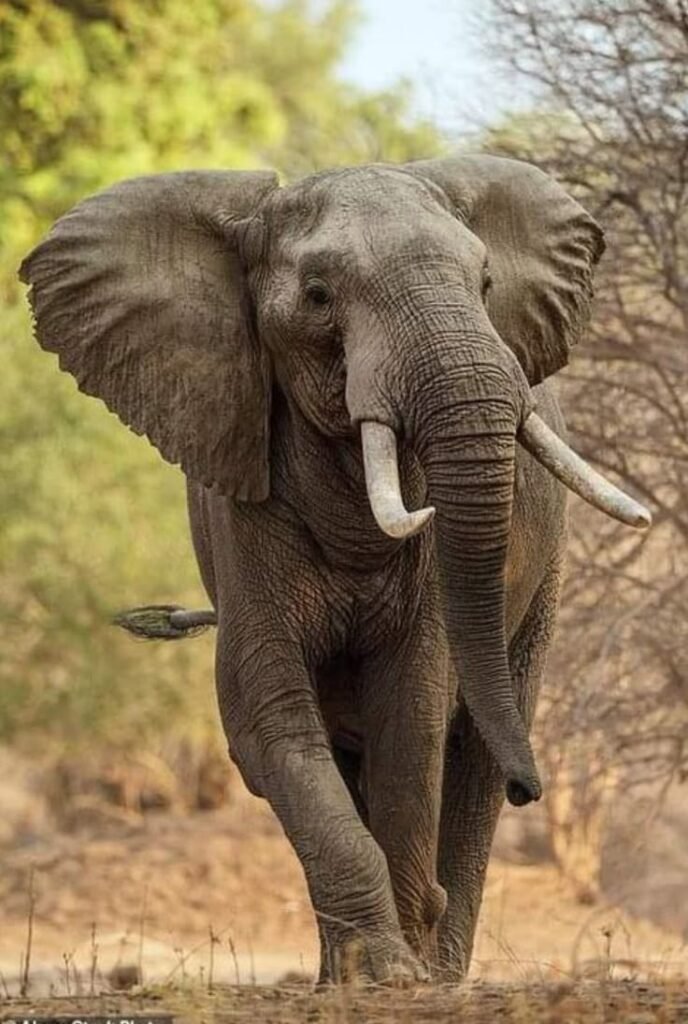
In a startling event, an elephant breaks barricade Golaghat during security preparations for the Prime Minister’s visit to a bio-ethanol plant. This incident highlights the growing human-wildlife conflict in Assam’s Golaghat district, where industrial development and wildlife habitats increasingly intersect.
The event not only disrupted security arrangements but also highlighted the challenges that come with balancing industrial progress and wildlife conservation in the northeastern part of the country.
Elephant Breaks Barricade Golaghat: Incident Overview
On the morning of [insert date], local security personnel were taken by surprise when a wild elephant suddenly charged through the barricades set up to secure the area ahead of the Prime Minister’s scheduled visit. Fortunately, no injuries were reported, but the elephant’s unexpected appearance caused a temporary halt in the preparations.
The bio-ethanol plant in Golaghat represents a significant step toward sustainable energy in Assam, aimed at reducing carbon emissions and promoting green fuels. However, this incident serves as a stark reminder of the persistent human-wildlife interactions in the region.
Human-Wildlife Conflict Amid Industrial Development
Growing Concerns in Assam’s Wildlife Corridors
Golaghat, located close to the Kaziranga National Park, is part of a vital ecological landscape that supports a diverse range of wildlife, including elephants, rhinos, and tigers. However, the expansion of industries, infrastructure, and human settlements increasingly encroaches on these animals’ natural habitats.
As a result, incidents like the recent elephant breach are becoming more frequent, raising alarms about the safety of both humans and animals.
According to the Assam Forest Department, there has been a rise in elephant movements near human settlements by over 20% in the past five years, largely attributed to habitat fragmentation.
Industrial Projects and Wildlife: Striking a Balance
While the bio-ethanol plant in Golaghat promises economic growth and environmental benefits, it also presents challenges. Experts emphasize the need for wildlife-friendly development planning, including:
- Maintaining buffer zones between industrial sites and forest areas
- Creating wildlife corridors to facilitate animal movement
- Using early-warning systems to alert nearby communities of animal presence
Golaghat Security Measures After Elephant Barricade Breach
Following the breach, security agencies have revised their protocols to better anticipate and manage wildlife movements during high-profile events. Enhanced coordination with forest officials ensures that human activities do not unduly disturb local fauna.
Additionally, the Assam government is exploring the use of technology such as drones and thermal imaging to monitor elephant herds near human settlements. These innovations aim to prevent sudden encounters that pose risks to both sides.
The Bigger Picture: Human-Wildlife Conflict in India
A National Challenge
The Golaghat incident is not isolated. Across India, increasing human populations and expanding infrastructure have resulted in more frequent conflicts with wildlife. Elephants, in particular, often venture into villages and agricultural lands, leading to crop damage, property loss, and sometimes human casualties.
In response, the Ministry of Environment, Forest and Climate Change has launched initiatives focused on coexistence strategies, including community awareness programs and compensation schemes for farmers affected by wildlife.
Conservationists Speak Out
Wildlife experts stress that coexistence is possible but requires concerted effort from governments, industries, and local communities.
Dr. Ranjit Dutta, a wildlife biologist, notes, “Development cannot come at the cost of our wildlife heritage. Instead, we must integrate ecological considerations into our growth plans.”
What Can Citizens Do?
The recent event at Golaghat offers a critical lesson: human-wildlife coexistence requires awareness and active participation. Here are some ways citizens can help:
- Support local conservation groups working to protect wildlife corridors
- Avoid encroaching on forest lands and report any wildlife sightings near settlements promptly
- Advocate for sustainable development policies that prioritize environmental balance
- Educate communities about safe behavior during animal encounters
Promote Sustainable Development and Wildlife Safety
As India advances its industrial and green energy goals, incidents like the Golaghat elephant breach serve as urgent reminders to maintain ecological harmony. Stakeholders—including policymakers, corporations, and citizens—must collaborate to implement sustainable development practices that safeguard wildlife and human communities alike.
To stay informed and contribute, follow updates from the Assam Forest Department and participate in local conservation initiatives. Together, we can ensure that progress and preservation go hand in hand.
READ MORE: Bhupen Hazarika Centenary Celebration: President Attends Delhi Event
The wild elephant’s breach at Golaghat was a wake-up call, reflecting the broader challenge India faces in balancing rapid development with wildlife conservation. While the bio-ethanol plant is a beacon of sustainable progress, it also highlights the urgent need to build infrastructure that respects and protects natural habitats.
By embracing innovative solutions and fostering community engagement, India can pave the way for a future where both humans and wildlife thrive.