


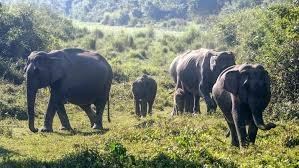
India has taken a major step toward conservation with the latest wildlife corridor protection India initiative. The National Board for Wildlife has approved new eco-sensitive zones around Kaziranga National Park. Notably, the decision focuses on protecting vital elephant corridors from encroaching construction. Therefore, this move strengthens long-term wildlife conservation and ecological balance.
Nagaland Peace Talks Update: Breakthrough Progress Toward Lasting Autonomy
NBWL Approval for Eco-Sensitive Zones
The National Board for Wildlife has granted approval for expanding eco-sensitive zones in the Kaziranga region. These zones will regulate human activities and restrict construction near critical wildlife habitats. Moreover, the decision aims to reduce habitat fragmentation.
This wildlife corridor protection India measure reflects a strong commitment to conservation. As a result, authorities can better manage human-wildlife interactions and protect biodiversity.
Assam Tea Exports Surge: Record Growth in European Markets
Importance of Elephant Corridors
Elephant corridors play a crucial role in maintaining ecological balance. These pathways allow elephants to migrate safely between habitats in search of food and water. However, construction and urban expansion have threatened these routes.
Through this wildlife corridor protection initiative, authorities aim to preserve these essential pathways. Consequently, the measure will reduce conflicts between humans and wildlife.
Addressing Encroachment and Construction Threats
Encroaching construction has emerged as a major threat to wildlife habitats. Roads, buildings, and infrastructure projects often disrupt natural movement patterns. Therefore, regulating development becomes essential for conservation.
This wildlife corridor protection decision restricts such activities in sensitive areas. Moreover, it ensures that development projects follow strict environmental guidelines. As a result, wildlife habitats will remain protected from further damage.
Impact on Biodiversity Conservation
The protection of elephant corridors benefits the entire ecosystem. Many species depend on interconnected habitats for survival. Additionally, preserving corridors supports genetic diversity and ecological stability.
This wildlife corridor protection India initiative enhances overall biodiversity conservation. Furthermore, it aligns with global efforts to protect endangered species and ecosystems.
Role of Local Communities and Authorities
Successful conservation requires active participation from local communities and authorities. Residents living near protected zones play a key role in monitoring and supporting conservation efforts. Moreover, awareness programs can help reduce human-wildlife conflict.
This wildlife corridor protection India effort encourages collaboration. As a result, stronger community involvement will improve conservation outcomes.
Challenges in Implementation
Despite the positive step, implementing eco-sensitive zones may face challenges. Balancing development needs with conservation goals requires careful planning. Additionally, enforcing regulations in remote areas can prove difficult.
However, this wildlife corridor protection India initiative includes monitoring mechanisms and policy support. Consequently, authorities aim to overcome these challenges effectively.
Conclusion
The wildlife corridor protection India initiative marks a significant advancement in safeguarding Kaziranga’s elephant corridors. With NBWL approving new eco-sensitive zones, the focus on conservation has strengthened. Although challenges remain, the move demonstrates a clear commitment to protecting wildlife and ecosystems. Ultimately, this wildlife corridor protection India effort will ensure a safer future for elephants and biodiversity.
FAQs
1. What is the wildlife corridor protection India initiative?
It refers to measures taken to protect wildlife movement paths, including new eco-sensitive zones around Kaziranga.
2. Why are elephant corridors important?
They allow elephants to move safely between habitats, ensuring survival and reducing human-wildlife conflict.
3. What are eco-sensitive zones?
They are protected areas where activities like construction are regulated to safeguard the environment.
4. How will this decision impact Kaziranga?
It will protect habitats, reduce encroachment, and improve biodiversity conservation.
5. What challenges could arise in implementation?
Challenges include enforcement, balancing development needs, and ensuring community cooperation.