


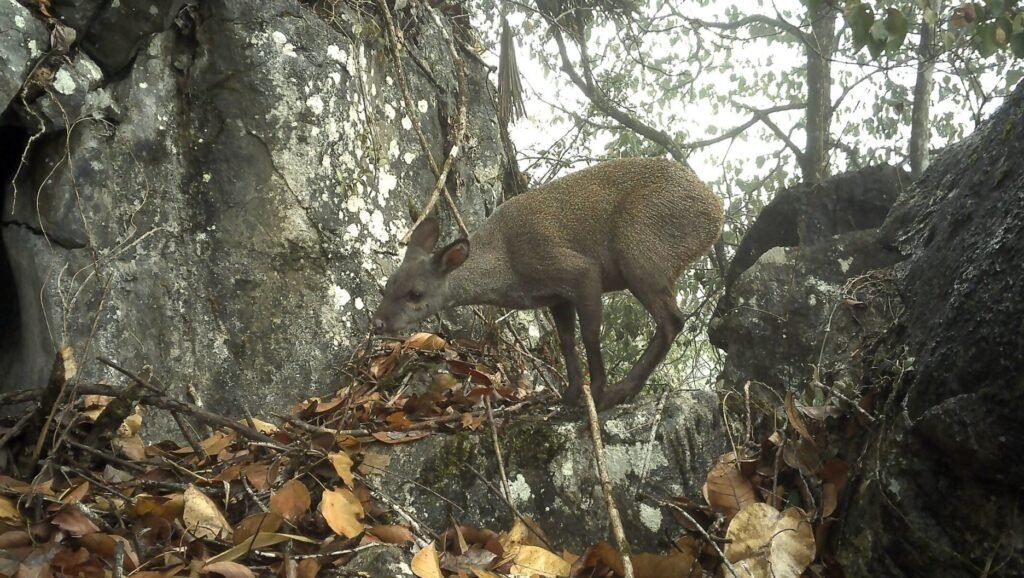
YRS Musk Deer Capture has created excitement among wildlife researchers and conservationists after the first-ever camera-trap image of an elusive musk deer was recorded inside Yord-Rongchu Wildlife Sanctuary in Arunachal Pradesh. Forest officials confirmed that the rare sighting marks a significant achievement for biodiversity monitoring and wildlife conservation efforts in the Eastern Himalayas.
The image was captured through a motion-sensitive camera installed by forest and wildlife teams conducting biodiversity surveys in remote high-altitude regions of the sanctuary. Experts stated that the presence of the musk deer indicates a healthy and ecologically important habitat within the protected forest area.
Himanta Biswa Sarma Starts New Assam Term
Mizoram Fake Court Orders Jail Scam Exposed
Rare Species Photographed for First Time
Wildlife authorities described the camera-trap image as an important scientific record because musk deer rarely appear in natural conditions. These shy mountain animals usually live in dense forests and rugged Himalayan terrain, so researchers seldom spot them in the wild.
As a result, YRS Musk Deer Capture has become a major conservation milestone for Arunachal Pradesh’s forest department and wildlife researchers. Officials stated that the photograph confirms the continued survival of the species inside the sanctuary’s remote ecosystem.
Moreover, experts noted that musk deer populations remain vulnerable because habitat disturbance, climate change, and illegal poaching continue to threaten the species. Poachers have historically targeted the animal’s musk gland for illegal wildlife trade activities.
Camera Trap Survey Conducted in Remote Terrain
Forest teams installed multiple camera traps across forest corridors and high-altitude zones inside the sanctuary as part of a wildlife documentation project. The monitoring exercise aimed to identify species movement, habitat use, and biodiversity patterns in lesser-studied parts of the sanctuary.
During the survey, one of the cameras recorded the animal moving through a forested mountain trail at night. Wildlife researchers later verified the species through image analysis and habitat assessment.
In addition, officials explained that the sanctuary’s rugged terrain and limited human disturbance provide suitable shelter for several rare Himalayan wildlife species.
Conservation Significance Highlighted
Environmental experts emphasized that the camera-trap image strengthens the ecological importance of Arunachal Pradesh’s protected forest areas. The Eastern Himalayas remain one of the world’s major biodiversity hotspots and support several endangered and rare species.
Furthermore, YRS Musk Deer Capture highlighted the growing role of technology in wildlife conservation. Camera traps now allow researchers to monitor elusive animals without disturbing their natural behavior. Consequently, scientists can gather valuable ecological information more efficiently.
Forest officials also stated that continued biodiversity monitoring may help authorities design stronger habitat protection and anti-poaching strategies in sensitive wildlife regions.
Musk Deer Species Remain Under Threat
Musk deer are known for their shy nature and unique ecological role in Himalayan ecosystems. However, conservation groups have repeatedly expressed concern about declining populations because illegal hunting and habitat degradation continue across parts of Asia.
Experts explained that the survival of musk deer depends heavily on undisturbed forest habitats and effective wildlife protection measures. Therefore, authorities in Arunachal Pradesh have intensified monitoring activities in remote sanctuary regions to prevent poaching and illegal forest operations.
At the same time, YRS Musk Deer Capture renewed conservation discussions regarding the need for stronger ecological preservation across high-altitude Himalayan forests.
Arunachal Pradesh Strengthens Wildlife Protection
The Arunachal Pradesh Forest Department has increased biodiversity surveys and conservation activities across multiple protected areas in recent years. Officials stated that wildlife monitoring projects help researchers identify species populations, migration routes, and ecosystem health indicators.
The state supports diverse wildlife species, including red pandas, snow leopards, clouded leopards, Himalayan black bears, and several rare bird species. Because of this rich biodiversity, conservationists consider Arunachal Pradesh one of India’s most important regions for wildlife research and ecological preservation.
Additionally, YRS Musk Deer Capture further strengthened the sanctuary’s conservation value and may encourage additional ecological studies in the region.
Researchers Plan Further Monitoring
Wildlife researchers confirmed that they may install additional camera traps and conduct field surveys in nearby regions to estimate the musk deer population and identify habitat patterns. Scientists also plan to study vegetation, altitude conditions, and wildlife movement corridors connected to the sanctuary.
Meanwhile, officials stated that long-term monitoring can help conservation agencies better understand species behavior and improve habitat management strategies. Researchers also hope the discovery will increase public awareness regarding the importance of protecting fragile Himalayan ecosystems.
Consequently, YRS Musk Deer Capture continues to attract attention from environmental groups, wildlife enthusiasts, and conservation scientists across India.
Conclusion
The first camera-trap image of an elusive musk deer inside Yord-Rongchu Wildlife Sanctuary marks a major conservation achievement for Arunachal Pradesh. Wildlife officials and researchers described the discovery as an important sign of ecological health in the Eastern Himalayan region. Overall, YRS Musk Deer Capture now stands as a significant milestone in biodiversity monitoring and wildlife conservation efforts aimed at protecting rare mountain species and fragile forest ecosystems.
FAQs
What was discovered in Yord-Rongchu Wildlife Sanctuary?
A camera trap captured the first recorded image of an elusive musk deer inside the sanctuary.
Where is the sanctuary located?
Yord-Rongchu Wildlife Sanctuary is located in Arunachal Pradesh.
Why is the sighting important?
Musk deer are rare and difficult to observe in the wild, making the image scientifically significant.
How was the image captured?
Forest officials used motion-sensitive camera traps during wildlife monitoring surveys.
Why are musk deer considered vulnerable?
They face threats from habitat loss, climate change, and illegal poaching.
What will researchers do next?
Scientists plan additional surveys and monitoring to study the species and its habitat.