


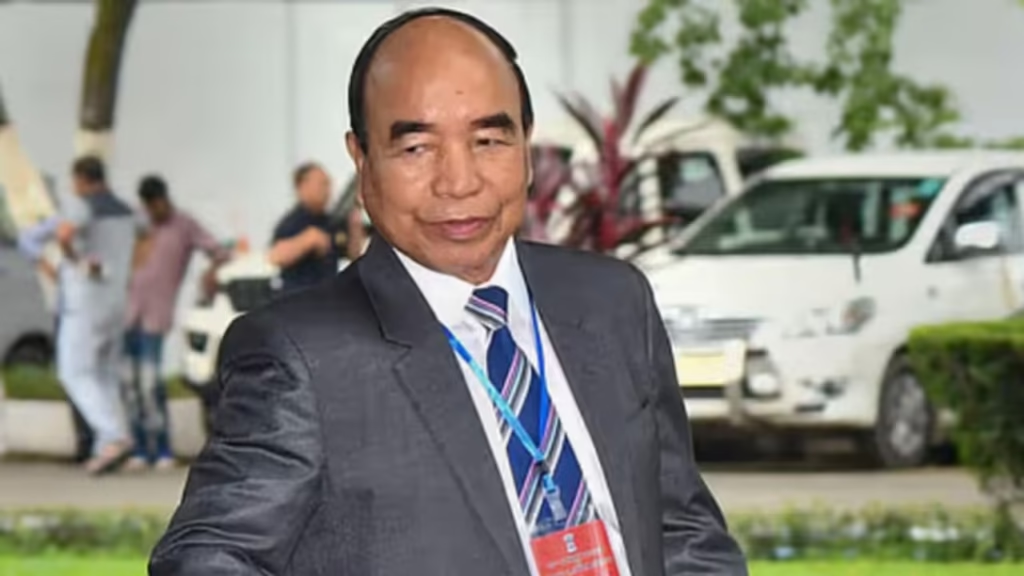
Mizo National Front (MNF) president and former Mizoram Chief Minister Zoramthanga has demanded an apology from Chief Minister Lalduhoma over remarks concerning the Mizo Peace Accord. The MNF has accused Lalduhoma of misrepresenting aspects of the 1986 agreement and has called for the disputed comments to be withdrawn.
The controversy has intensified the political rivalry between the opposition MNF and Lalduhoma’s ruling Zoram People’s Movement (ZPM). Moreover, the dispute has revived debate over the historical significance of the 1986 accord and the political legacy of the leaders associated with Mizoram’s peace process.
The MNF has linked the controversy with remarks concerning the Inner Line Permit (ILP) system. However, the accusations about historical misrepresentation represent the opposition party’s position and should not be treated as an independently established finding.
Biren Singh Audio Controversy: NFSU Analysis Clears Former Manipur CM
Zoramthanga Demands Apology Over Peace Accord
Zoramthanga has publicly called on Lalduhoma to apologise for remarks that the MNF considers inaccurate.
The former Chief Minister has argued that Lalduhoma’s comments fail to properly reflect the significance of the Mizo Peace Accord. Furthermore, the MNF has demanded that the Chief Minister withdraw the statements.
The demand has created another point of confrontation between the two political camps.
However, the dispute centres on competing interpretations of political history rather than a formal legal challenge to the Peace Accord.
Mizo Peace Accord Remains Political Flashpoint
The Mizo Peace Accord remains one of the most significant events in Mizoram’s modern political history.
The 1986 agreement helped end the Mizo insurgency and established a framework for the transition toward constitutional politics. Moreover, the settlement remains closely associated with the MNF’s transformation from an insurgent organisation into a mainstream political party.
Consequently, disagreements over the accord’s history can carry considerable political significance.
The latest dispute demonstrates that the agreement continues to influence political debate decades after its signing.
MNF Challenges Lalduhoma’s Interpretation
The MNF has challenged Lalduhoma’s interpretation of the Mizo Peace Accord and related political developments.
Zoramthanga has accused the Chief Minister of distorting aspects of Mizoram’s political history. Additionally, the party has demanded a public apology and withdrawal of the remarks.
These claims form part of the MNF’s political response to Lalduhoma.
However, the allegation should be distinguished from independently verified historical evidence.
ILP Remarks Add to the Dispute
The controversy also involves Lalduhoma’s comments concerning the Inner Line Permit.
The ILP regulates entry into Mizoram by people from outside the state and remains an important administrative safeguard. Furthermore, questions involving migration and protection of local interests have made the system politically sensitive.
The MNF has connected the ILP remarks with its wider criticism of Lalduhoma’s interpretation of Mizoram’s political safeguards.
However, the ILP and the Mizo Peace Accord represent separate legal and historical subjects.
ZPM-MNF Rivalry Intensifies
The dispute has added to the broader political rivalry between the ZPM government and the MNF.
Lalduhoma became Chief Minister after the ZPM won the 2023 Assembly election, while the MNF moved into opposition. Meanwhile, Zoramthanga remains one of the MNF’s most prominent political figures.
The latest controversy gives both sides another issue on which to challenge each other’s political narratives.
Moreover, historical questions can have particular importance in Mizoram because of the state’s experience with insurgency, peace negotiations, and political transition.
Zoramthanga Seeks Withdrawal of Remarks
Zoramthanga’s demand includes more than an apology.
The MNF has called for Lalduhoma to withdraw the remarks that it considers misleading. Furthermore, the party has framed the demand around protecting the historical record of the Peace Accord.
This gives the Chief Minister several possible ways to respond, including clarification, withdrawal, or rejection of the allegations.
The response could determine whether the dispute escalates further.
Peace Accord Legacy Shapes Political Debate
The Mizo Peace Accord continues to shape discussions about political legitimacy and historical legacy in Mizoram.
The agreement ended years of armed conflict and helped establish conditions for a return to democratic politics. Additionally, the settlement remains an important reference point when political parties discuss Mizoram’s development and identity.
For the MNF, the accord also forms part of its historical political legacy.
Therefore, disagreements over its interpretation can quickly become politically sensitive.
August 15 Demand Raises Pressure
The MNF has linked its demand for an apology to an August 15 deadline.
The party has called on Lalduhoma to address the controversy and withdraw the disputed remarks before the deadline. However, the August 15 date represents a political demand from the opposition rather than a statutory or constitutional requirement.
The deadline nevertheless gives the controversy a clear focal point.
If Lalduhoma rejects the demand, the MNF could continue its political campaign against the Chief Minister.
Political Consequences Remain Unclear
The dispute could have consequences for the wider ZPM-MNF political contest.
The MNF may use the controversy to reinforce its historical credentials, while the ZPM government can defend its interpretation of the issues raised by Lalduhoma. Moreover, continued public debate could bring greater attention to the Peace Accord and ILP.
However, it remains too early to determine whether the controversy will significantly affect public support for either party.
Political developments after August 15 could provide a clearer indication of its importance.
Conclusion
Zoramthanga’s demand for an apology from Chief Minister Lalduhoma has intensified a political dispute over the Mizo Peace Accord and the Inner Line Permit system. The MNF argues that Lalduhoma’s remarks misrepresent important aspects of Mizoram’s political history and has called for their withdrawal.
Moreover, the controversy highlights the continuing political importance of the 1986 agreement and its role in the MNF’s historical narrative. However, claims that Lalduhoma distorted history remain political allegations rather than independently established conclusions.
Overall, Zoramthanga’s demand adds another layer to the ongoing ZPM-MNF rivalry. Lalduhoma’s response, particularly ahead of the MNF’s August 15 deadline, will determine whether the dispute remains a political disagreement or develops into a broader confrontation.
FAQs
1. Why is Zoramthanga demanding an apology from Lalduhoma?
Zoramthanga and the MNF argue that Lalduhoma made remarks that misrepresented aspects of the Mizo Peace Accord and related political history.
2. What is the Mizo Peace Accord?
The 1986 agreement helped end the Mizo insurgency and established a framework for Mizoram’s transition toward constitutional politics.
3. What does the MNF want Lalduhoma to do?
The MNF has demanded a public apology and withdrawal of the disputed remarks.
4. How does the ILP relate to the controversy?
The dispute also involves Lalduhoma’s remarks about the Inner Line Permit, which regulates entry into Mizoram by people from outside the state.
5. Is August 15 a legal deadline?
No. August 15 represents a political deadline set by the MNF rather than a statutory or constitutional requirement.