


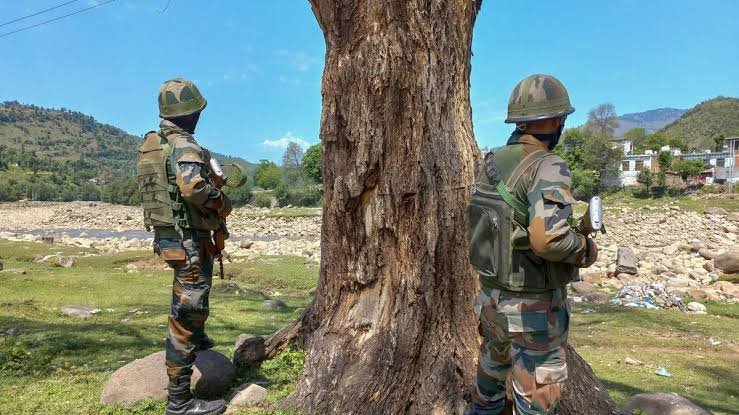
The Nagaland AFSPA Coverage Reduction has marked another development in the Centre’s security policy for the state, with the Union Home Ministry reportedly reducing the area covered by the Armed Forces (Special Powers) Act in two additional police station jurisdictions. The move could reflect an assessment of the security situation in the affected areas.
Tripura Tribal Art: Digital Archive Launched to Preserve Traditional Risa Textile Weaves
The Nagaland AFSPA Coverage Reduction has significance for residents, security agencies, and the wider political landscape. Moreover, changes to AFSPA coverage can influence how security forces operate in areas where the law remains applicable.
The decision comes amid continuing discussions over security, peace, and political stability in Nagaland. Therefore, the reduction could be viewed as part of a broader effort to adjust security arrangements according to prevailing conditions.
However, the move does not necessarily mean that AFSPA has ended across Nagaland. Additionally, the law can continue to apply in areas that authorities still designate as requiring its provisions.
Nagaland AFSPA Coverage Reduction Changes Security Jurisdictions
The Nagaland AFSPA Coverage Reduction affects two additional police station jurisdictions, according to the reported Home Ministry decision.
Moreover, AFSPA allows certain special powers to armed forces operating in areas officially designated as disturbed. Consequently, changes to its geographical coverage can alter the legal framework under which security operations take place.
The latest reduction follows previous adjustments to AFSPA coverage in parts of Nagaland. Furthermore, such decisions generally depend on assessments of security conditions and consultations between central and state authorities.
Residents in areas removed from the AFSPA framework could experience changes in the legal environment governing security operations. However, other laws and policing mechanisms continue to apply.
Nagaland AFSPA Coverage Reduction Reflects Security Assessment
The Nagaland AFSPA Coverage Reduction can be viewed in the context of continuing efforts to balance security requirements with normal civilian administration.
Additionally, reducing AFSPA coverage can indicate that authorities consider certain areas sufficiently stable to operate without the Act’s special provisions. Meanwhile, security agencies continue to monitor conditions and retain necessary measures in areas where AFSPA remains applicable.
The decision does not eliminate broader security challenges across the state. Therefore, authorities must continue evaluating developments and adjusting security arrangements when necessary.
The move can also influence public discussions about the future of AFSPA in Nagaland. Moreover, political parties and civil society organisations have long debated whether the law remains necessary across different parts of the Northeast.
Nagaland AFSPA Coverage Reduction Carries Political Significance
The Nagaland AFSPA Coverage Reduction has significance beyond its immediate administrative impact.
Furthermore, AFSPA has remained a sensitive issue in Nagaland because of its connection with security operations, civil liberties, and the region’s long-running political challenges. As a result, any reduction in coverage can attract attention from political parties and community organisations.
The latest decision could encourage further discussions about expanding areas where the Act no longer applies. However, authorities will need to assess security conditions carefully before making additional changes.
At the same time, maintaining peace requires cooperation between security agencies, state authorities, political groups, and communities. Therefore, changes in AFSPA coverage form only one part of the wider security and peace process.
Conclusion
The Nagaland AFSPA Coverage Reduction marks a notable change in the Centre’s security arrangements after the Home Ministry reportedly reduced AFSPA coverage in two additional police station jurisdictions.
Furthermore, the decision could indicate an assessment that security conditions have improved sufficiently in the affected areas to reduce the Act’s geographical application. However, AFSPA continues to apply in other designated areas where authorities consider its provisions necessary.
Overall, the Nagaland AFSPA Coverage Reduction adds to the continuing debate over security policy, civilian administration, and the gradual normalisation of conditions across Nagaland.
FAQs
1. What is the Nagaland AFSPA Coverage Reduction?
The Nagaland AFSPA Coverage Reduction refers to the reported decision to remove two additional police station jurisdictions from the area covered by the Armed Forces (Special Powers) Act.
2. What is AFSPA?
AFSPA is a law that provides specified special powers to armed forces operating in areas that authorities formally designate as disturbed.
3. Does the decision remove AFSPA from all of Nagaland?
No. The reported decision concerns two additional police station jurisdictions. AFSPA can continue to apply in other designated areas.
4. Why can it coverage change?
Authorities can review the geographical application of AFSPA based on assessments of security conditions and other relevant factors.
5. What could the reduction mean for residents?
Areas removed from AFSPA coverage would no longer operate under the Act’s special provisions, although normal criminal law, policing, and other security measures would continue to apply.