


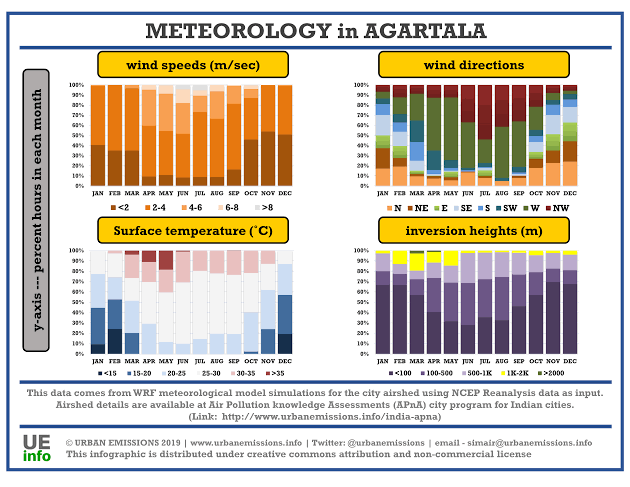
The Agartala air quality index reached 264 on October 26, 2026, placing Tripura’s capital at the top of India’s cities in the ‘Poor’ air quality category that day. According to the Central Pollution Control Board (CPCB), Agartala recorded the highest AQI among 13 cities classified as having poor air quality. The reading raised concerns about pollution levels and their potential effects on residents. However, the Tripura State Pollution Control Board later attributed the sudden deterioration to firecracker smoke during Lakshmi Puja celebrations and weather conditions that trapped the smoke near the ground.
Tripura Education Department Distributes Scooties to Meritorious Female Students
Agartala Air Quality Index Reaches 264 in CPCB Assessment
The CPCB’s daily air quality bulletin, released at 4 pm on October 26, assessed conditions across 266 Indian cities. The data placed Agartala at the top of the ‘Poor’ category, highlighting a sharp deterioration in the capital’s air quality.
Of the 266 cities assessed, 20 recorded ‘Good’ air quality, while 117 fell into the ‘Satisfactory’ category. Another 116 cities reported ‘Moderate’ air quality. The remaining 13 cities, including Agartala, entered the ‘Poor’ category.
Agartala recorded an AQI of 264, followed by Fatehpur Sikri in Uttar Pradesh at 256. Sawai Madhopur in Rajasthan registered 237, while Paradip in Odisha and Sri Ganganagar in Rajasthan each recorded 235.
These figures placed Agartala ahead of the other cities in the poor-air-quality group for that assessment. Nevertheless, the ranking represents conditions recorded at a particular time. It does not establish a long-term pollution trend or explain the sources behind the reading by itself.
The development attracted attention because Agartala has often featured in discussions about urban environmental quality. The latest reading renewed questions about pollution monitoring, seasonal changes and the need to identify factors affecting the city’s air.
Agartala Air Quality Index Linked to Festival Firecracker Smoke
The Tripura State Pollution Control Board later attributed the sharp rise in Agartala’s AQI to firecracker smoke during Lakshmi Puja celebrations. According to reports quoting a senior board official, the celebrations continued into the early morning hours, releasing smoke into the atmosphere.
The official explained that foggy conditions trapped the smoke close to the ground. As a result, pollutants accumulated near the surface and contributed to the deterioration recorded on October 26.
The board cited an AQI reading of 152 on October 25 before the sharp increase to 264 the following day. It also reported that the reading subsequently fell to 114 as daylight and sunshine improved.
These changes suggest that the pollution episode was short-lived, although continued monitoring remains important to establish the broader pattern. Weather conditions can affect how pollutants disperse, while emissions from different activities can influence the concentration of pollutants in urban areas.
The board’s explanation identifies firecracker smoke and atmospheric conditions as the principal factors behind this particular spike. However, a single AQI reading cannot quantify the contribution of every possible pollution source.
Regular measurements and pollutant-specific data can help authorities evaluate changes in air quality more precisely. Such information can also help distinguish temporary pollution episodes from persistent urban environmental problems.
Agartala Air Quality Index Raises Public Health Concerns
Under CPCB standards, an AQI between 201 and 300 falls into the ‘Poor’ category. At this level, prolonged exposure can cause breathing discomfort, particularly among people who are more sensitive to air pollution.
Children, older adults and people with asthma or other respiratory conditions may face greater difficulties when pollution levels rise. Residents with existing heart or lung conditions should also take official air-quality advisories seriously.
Air pollution can contain a mixture of particles and gases. Firecracker emissions can add smoke and particulate matter to the atmosphere, while road dust, vehicle exhaust and construction activity can contribute to pollution in urban areas.
However, the AQI figure alone does not reveal the concentration of each pollutant or establish its individual health effects. Authorities use pollutant measurements and established standards to interpret local air-quality conditions.
Residents can check official AQI updates before planning extended outdoor activities during periods of poor air quality. People who experience breathing difficulties should seek appropriate medical advice, especially if symptoms persist or worsen.
Public awareness also plays an important role in reducing exposure. Clear communication about pollution levels can help residents understand changing conditions and make informed decisions.
Agartala Air Quality Index Highlights Need for Continued Monitoring
Agartala’s AQI reading of 264 has highlighted the importance of regular monitoring and timely public information. Although the pollution control board attributed the spike to festival fireworks and weather conditions, authorities still need consistent data to assess future changes.
Daily AQI bulletins can help residents track whether pollution levels improve or deteriorate. In addition, comparisons across several days can help identify recurring patterns associated with weather, seasonal activities and urban emissions.
The pollution control authorities can use monitoring data to assess the need for targeted measures. These may include enforcing applicable pollution-control rules, managing dust from construction and road activities, and promoting awareness about the effects of firecracker emissions.
Furthermore, public access to reliable air-quality information can support greater accountability. Clear explanations of pollution episodes help residents understand what the data shows and what remains uncertain.
The latest episode also demonstrates why officials should avoid drawing broad conclusions from a single daily ranking. A temporary increase may require a different response from a sustained rise that continues across several weeks.
Continued monitoring, transparent reporting and evidence-based action can help authorities identify pollution sources more accurately. These steps are important for protecting public health and maintaining urban environmental quality in Agartala.
Conclusion
The Agartala air quality index reached 264 on October 26, 2026, placing the Tripura capital at the top of the CPCB’s ‘Poor’ air quality category among 13 cities in that assessment. The daily bulletin covered 266 cities and showed significant differences in air quality across the country. Agartala’s reading raised concerns about the effects of pollution on residents.
The Tripura State Pollution Control Board later attributed the sharp increase to firecracker smoke released during Lakshmi Puja celebrations and foggy conditions that trapped smoke near the ground. The board reported that the AQI subsequently improved as daylight and sunshine increased. However, regular monitoring remains necessary to determine whether such episodes recur and to assess the contribution of different pollution sources.
The episode highlights the importance of public awareness, reliable monitoring and evidence-based pollution control. Residents should follow official air-quality updates, particularly during periods of poor conditions. Meanwhile, continued data collection and transparent communication can help authorities understand pollution trends and develop appropriate measures to protect public health.
FAQs
1. What was Agartala’s AQI on October 26, 2026?
Agartala recorded an AQI of 264, placing the city in the ‘Poor’ air quality category according to the CPCB’s daily bulletin.
2. Why did Agartala’s air quality deteriorate?
The Tripura State Pollution Control Board attributed the sharp deterioration to firecracker smoke during Lakshmi Puja celebrations and foggy conditions that trapped smoke near the ground.
3. What does an AQI of 264 mean?
An AQI of 264 falls within the CPCB’s ‘Poor’ category, which ranges from 201 to 300. Prolonged exposure at these levels can cause breathing discomfort.
4. Which other cities recorded poor air quality?
Fatehpur Sikri recorded an AQI of 256, Sawai Madhopur registered 237, and Paradip and Sri Ganganagar each recorded 235 in the same assessment.
5. How can residents respond to poor air quality?
Residents can monitor official AQI updates, follow public-health advisories and seek medical advice if they experience persistent breathing difficulties.