


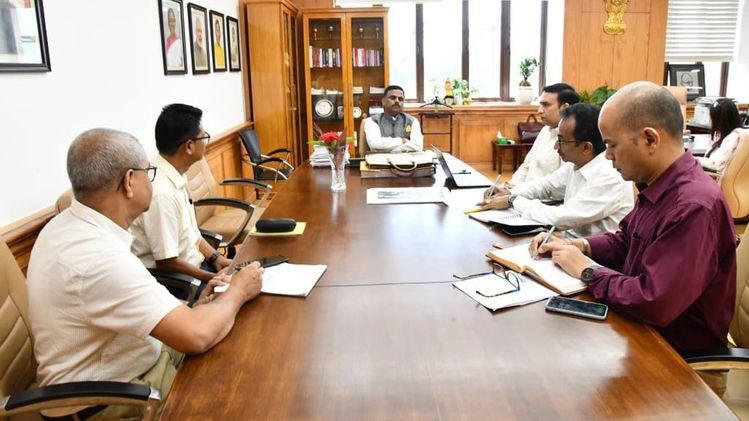
The Assam government has started reviewing plans to set up Barak Bhawans in Delhi and Kolkata. These centers will represent the Barak Valley’s cultural identity while offering vital support to people from the region who live or travel to these cities.
The idea behind Barak Bhawans in Delhi and Kolkata is simple yet powerful. They will serve as community and cultural hubs, while also acting as safe shelters for students and patients who move to these metro cities. With this step, Assam aims to keep its people connected to their roots even when far from home.
Read More: Arunachal Villages Lead Eco-Clean Drive in Mebo
Purpose of Barak Bhawans in Delhi and Kolkata
The primary purpose of establishing Barak Bhawans in Delhi and Kolkata is to create a sense of belonging for people from the Barak Valley. Many families, students, and professionals travel to these cities for education, medical treatment, or work. Finding affordable and safe accommodation often becomes a major challenge. These Bhawans will ease that struggle.
At the same time, the centers will highlight the culture, language, and traditions of the Barak Valley. They will become venues where festivals, literary events, and social gatherings can be celebrated. In this way, the Bhawans will combine practical support with cultural promotion.
Government’s Vision for Barak Bhawans in Delhi and Kolkata
The Assam government has made it clear that the Bhawans will not only provide facilities but also carry symbolic value. They will showcase the Barak Valley’s heritage through architecture, design, and cultural activities.
Chief Minister Himanta Biswa Sarma has emphasized that people from the Barak Valley deserve the same level of support as other groups from Assam. By building Barak Bhawans in Delhi and Kolkata, the government hopes to create a permanent link between the valley and these major cities.
Cultural Significance of Barak Bhawans in Delhi and Kolkata
The Barak Valley has a strong cultural identity, especially with its Bengali literary traditions and artistic contributions. The Bhawans will serve as living museums of this identity. They will provide space for cultural performances, exhibitions, and seminars.
These events will help preserve traditions while also promoting them to a wider audience in Delhi and Kolkata. The Bhawans will also become places of dialogue, allowing cultural exchange between Assam and other regions.
Benefits for Students and Young Professionals
Every year, hundreds of students from the Barak Valley move to Delhi or Kolkata for higher education. Many of them struggle to find affordable housing. The Barak Bhawans in Delhi and Kolkata will help solve this problem by providing hostels and study-friendly spaces.
For young professionals starting their careers in these cities, the Bhawans can serve as networking hubs. Meeting others from the same region will create a sense of community and belonging.
Support for Patients and Families
Another key function of the Barak Bhawans in Delhi and Kolkata will be to support patients who travel for treatment. Families from the Barak Valley often face difficulties finding affordable accommodation during long medical visits.
The Bhawans will provide safe and affordable stays for patients and their families. This support will reduce stress and allow them to focus on health rather than expenses. By doing this, the government shows its commitment to the welfare of its people.
Boosting Assam’s Presence in Metro Cities
The Barak Bhawans in Delhi and Kolkata will also act as Assam’s official presence in two important metropolitan cities. They can host exhibitions of handlooms, handicrafts, and agro-products from the Barak Valley.
By doing so, these centers will promote tourism and attract business interest. They will not only support the community but also contribute to Assam’s economy and visibility.
Long-Term Plans for Barak Bhawans in Delhi and Kolkata
The government wants these Bhawans to be active and self-sustaining. Plans include adding conference halls, auditoriums, and rental facilities. These spaces can host seminars, workshops, and events throughout the year. Income from such activities will help maintain the centers.
Officials are also considering partnerships with cultural groups in Delhi and Kolkata. Such collaborations will keep the Bhawans vibrant and relevant. They will not just be buildings but living spaces of culture, service, and unity.
Challenges and Opportunities
While the idea has been widely welcomed, challenges remain. Securing land in Delhi and Kolkata is expensive and complex. Construction costs will also be high. However, the Assam government has expressed confidence that it can overcome these hurdles with proper planning.
Another challenge is ensuring that the Bhawans remain inclusive. They must represent all groups from the Barak Valley fairly. Community involvement will be key to making the centers successful.
A Step Toward Cultural and Social Support
The review of plans for Barak Bhawans in Delhi and Kolkata is more than a construction project. It is an effort to preserve identity, provide social support, and strengthen bonds between Assam and its people in other parts of India.
When complete, these Bhawans will serve multiple roles. They will be homes away from home for students and patients, cultural landmarks for the community, and windows into the Barak Valley for the rest of the country.
The initiative highlights how development can combine culture with welfare. It is a step that reflects Assam’s vision of growth while staying rooted in its heritage.
Read More: Dhubri SHG Women Get Rs 10,000 Aid for Empowerment