


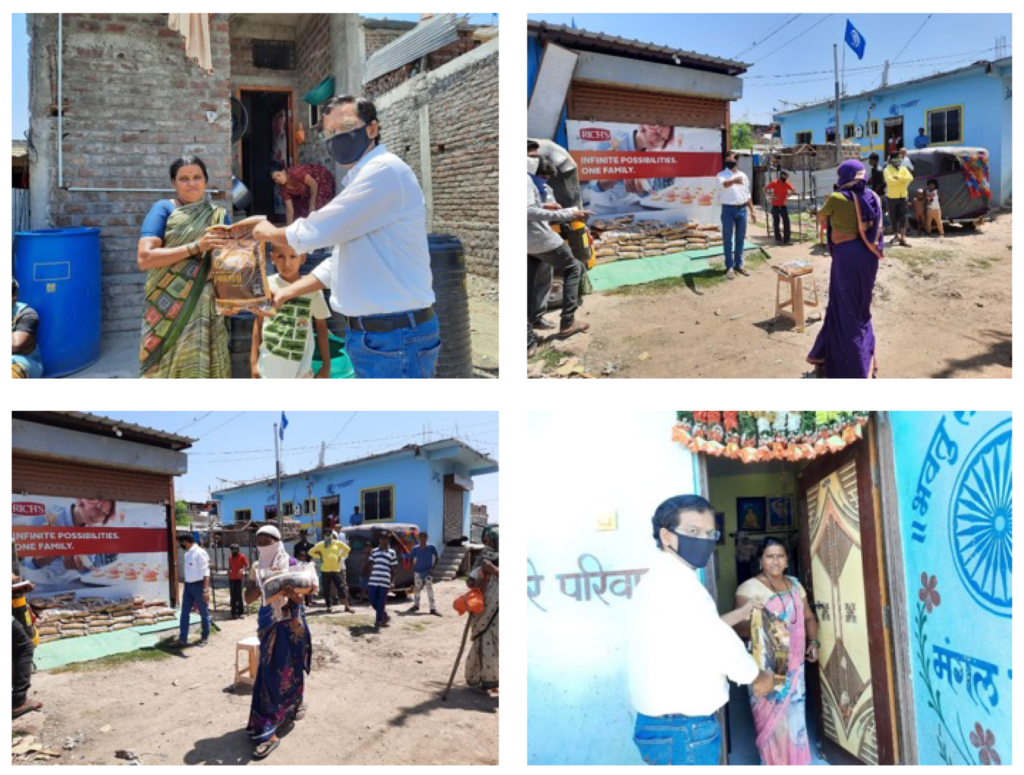
The Assam food subsidy suspension has become a major topic of discussion after the state government temporarily halted its subsidised distribution scheme for essential commodities such as dal, sugar, and salt. The decision has drawn mixed reactions, particularly from rural communities that rely on the program to manage household expenses. Moreover, the move has sparked conversations about welfare support, food affordability, and the future of subsidy-based assistance programs in the state.
Assam Eyes Trade Growth Through FTAs
Tripura Targets 16,800 Hectares for Natural Farming
Assam Temporarily Halts Food Subsidy Scheme
The Assam government has announced the temporary suspension of its subsidised distribution scheme for dal, sugar, and salt. The program previously enabled eligible beneficiaries to purchase these essential commodities at reduced prices.
Moreover, the suspension has generated significant attention because many households depended on the scheme to reduce monthly expenses. Residents across various districts are now closely monitoring future developments regarding the program.
Consequently, the decision has become a prominent issue in public discussions.
Essential Commodities Affected by the Decision
The suspension directly impacts the distribution of dal, sugar, and salt under the state’s subsidy framework. These commodities remain basic necessities for households throughout Assam.
Furthermore, subsidised access to such products often provides financial relief to families, especially those with limited incomes. Therefore, any disruption in supply or support can influence household budgeting and purchasing decisions.
As a result, the announcement has attracted widespread interest among beneficiaries.
Mixed Reactions from Rural Communities
Rural communities have responded differently to the decision. Some residents have expressed concerns about the potential increase in household expenditure, while others are awaiting further clarification from authorities.
Additionally, many beneficiaries have highlighted the importance of affordable food items in managing everyday expenses. Community discussions have intensified as people seek more information about the future of the scheme.
Consequently, the issue continues to generate diverse opinions across rural areas.
Importance of Subsidised Food Programs
Subsidised food distribution programs play a vital role in supporting economically vulnerable households. These initiatives help families access essential commodities at affordable rates while reducing financial pressure.
Moreover, such schemes contribute to broader food security goals by ensuring that basic household necessities remain accessible. Governments often use subsidy programs to strengthen social welfare systems and support public well-being.
Therefore, changes to these programs often attract significant public attention.
Impact on Household Expenses
Food-related expenses form a substantial portion of monthly household budgets. Subsidised pricing helps many families save money on daily necessities and allocate resources to other essential needs.
Furthermore, the temporary suspension may require households to adjust spending priorities if commodity prices increase in regular retail markets. Such adjustments can affect families differently depending on their financial circumstances.
As a result, many residents are closely evaluating the economic implications of the decision.
Public Distribution System and Welfare Support
The public distribution system remains a key component of welfare delivery in many states. Through structured distribution networks, governments can provide targeted assistance to eligible beneficiaries.
Additionally, food subsidy programs often complement broader social welfare initiatives aimed at improving living standards. Effective implementation helps ensure that support reaches intended recipients efficiently.
Consequently, the future of the scheme remains an important topic for stakeholders.
Balancing Welfare and Fiscal Priorities
Governments frequently review subsidy programs to assess effectiveness, financial sustainability, and administrative efficiency. Such evaluations often influence policy decisions regarding welfare schemes.
Moreover, policymakers must balance social support objectives with budgetary considerations and long-term economic planning. Decisions involving subsidies often reflect broader governance priorities.
Therefore, public interest remains high whenever significant policy adjustments occur.
Need for Government Clarification
Many beneficiaries and community organizations are seeking additional information regarding the reasons for the suspension and its expected duration. Clear communication can help reduce uncertainty and address public concerns.
Furthermore, transparent updates allow citizens to better understand policy decisions and plan accordingly. Effective communication often strengthens trust between authorities and the public.
As a result, expectations for further announcements continue to grow.
Public Attention Focused on Future Developments
The temporary nature of the suspension has led many residents to closely follow government updates. Beneficiaries are eager to learn whether the scheme will resume and under what conditions.
Moreover, future decisions could influence welfare planning and household budgeting across the state. Community organizations and local leaders are also monitoring developments carefully.
Consequently, the issue is likely to remain in the spotlight in the coming weeks.
Looking Ahead
Authorities may conduct further reviews before making decisions regarding the continuation or modification of the subsidy program. Future announcements could provide clarity on the scheme’s status and potential policy adjustments.
Furthermore, stakeholder feedback and economic assessments may influence the next steps. Continued engagement between government agencies and beneficiaries can help address concerns effectively.
As a result, the future direction of the scheme will remain an important public issue.
Conclusion
The Assam food subsidy suspension has sparked widespread discussion following the temporary halt of subsidised dal, sugar, and salt distribution. While the decision has raised concerns among some beneficiaries, it has also prompted broader debates about welfare policies, food affordability, and public support systems.
As residents await further clarification from the government, the issue continues to highlight the critical role that subsidy programs play in supporting household budgets and ensuring access to essential commodities. Future developments will likely shape public perceptions and policy discussions across Assam.
FAQs
What scheme has Assam temporarily suspended?
The state has temporarily suspended its subsidised distribution scheme for dal, sugar, and salt.
Which commodities are affected?
Dal, sugar, and salt distributed under the subsidy program are affected.
Why is the decision important?
Many households rely on subsidised commodities to manage their monthly expenses.
Who may be most affected?
Rural communities and economically vulnerable households may feel the greatest impact.
Is the scheme permanently discontinued?
No, the government has described the move as a temporary suspension.