


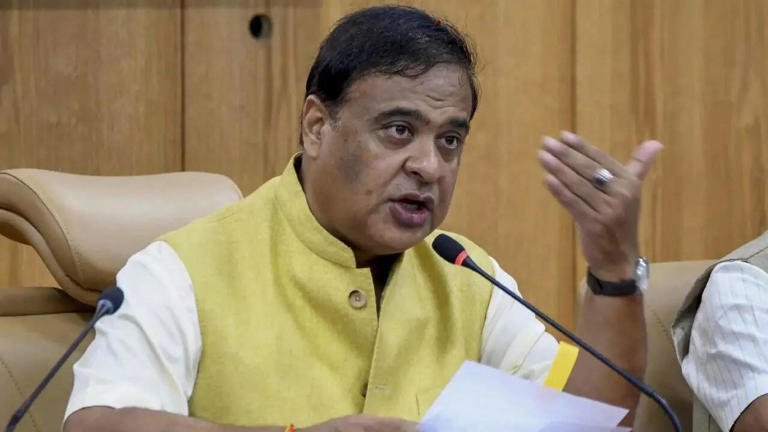
Chief Minister Himanta Biswa Sarma has announced that the Assam government will probe inter-faith land transfers in the state. The decision comes after concerns were raised about the sensitive nature of land ownership and community harmony. The government has also introduced a set of Standard Operating Procedures (SOPs) to guide authorities in handling such cases.
The move aims to ensure transparency, fairness, and accountability in all land transactions involving people of different religious backgrounds. Sarma stressed that Assam is a sensitive state where land ownership often plays a key role in maintaining social balance.
Read More: Dhubri SHG Women Get Rs 10,000 Aid for Empowerment
Why Inter-Faith Land Transfers in Assam Need Attention
Land in Assam has long been a matter of both cultural identity and security. Disputes over ownership have historically led to tensions. According to the Chief Minister, unchecked inter-faith land transfers in Assam could create imbalances that might disturb communal harmony.
By probing such transactions, the government hopes to identify irregularities, prevent misuse of land laws, and protect vulnerable groups from exploitation. The initiative is not meant to target any single community, but rather to establish a fair system for everyone.
CM Sarma on Protecting Assam’s Social Fabric
Speaking about the decision, Sarma noted that Assam’s demographic and cultural structure makes it different from many other Indian states. He described the region as “sensitive” because shifts in land ownership can directly impact the balance among communities.
The government believes that ensuring careful monitoring of inter-faith land transfers in Assam will safeguard social stability. Sarma added that the state’s focus is on preventing misuse of legal loopholes while still respecting the rights of individuals to buy or sell land within the law.
SOPs for Inter-Faith Land Transfers in Assam
To guide the process, the government has listed clear SOPs. These will help local officials check the legality of land transfers and verify whether all parties involved understand the implications.
The SOPs also include:
- Verification of intent: Ensuring that land sales or transfers are genuine and free from coercion.
- Community impact assessment: Studying whether the transfer might create social or communal tension.
- Transparency checks: Confirming that all documents are legally valid and updated.
- Approval process: Making sure authorities at the district level approve such transfers before they become final.
These steps are meant to build a transparent system that benefits both buyers and sellers while protecting larger community interests.
Preventing Exploitation and Illegal Practices
One major reason for probing inter-faith land transfers in Assam is the possibility of exploitation. Reports suggest that in some cases, people from poorer backgrounds may be pressured into selling their land without understanding the consequences.
The new SOPs will help protect such individuals. Officials will now need to confirm that sellers are acting willingly and that they fully understand the value of their property. This safeguard is expected to reduce cases of forced or unfair land sales.
Balancing Rights With Responsibilities
The Assam government has clarified that the probe into inter-faith land transfers in Assam is not a restriction on property rights. Citizens from different faiths can still buy and sell land legally. However, the state wants to ensure that such transactions are conducted responsibly and without hidden motives.
Sarma pointed out that the right to property comes with social responsibilities. In a state like Assam, where land often carries cultural and historical importance, misuse of this right could create long-term problems.
Opposition and Public Reactions
The announcement has drawn mixed reactions. Some groups welcomed the decision, saying it would help protect community balance. Others raised concerns that the move might create unnecessary suspicion among communities.
Civil society organizations have called for transparency in the implementation of the SOPs. They argue that while the guidelines are important, they must not lead to harassment or discrimination against genuine buyers and sellers.
Link to Assam’s Larger Land Policy
This probe is part of the Assam government’s broader effort to reform land management. In recent years, the state has taken steps to digitize land records, clear encroachments, and resolve ownership disputes.
Introducing SOPs for inter-faith land transfers in Assam fits into this larger policy. By creating clear rules, the government aims to prevent conflicts before they escalate and to improve trust in the system.
Future of Land Governance in Assam
The success of this move will depend on fair implementation. If done properly, it could set an example for other states facing similar challenges. The government has said it will monitor the process closely and make adjustments if needed.
There are also plans to conduct awareness campaigns so that citizens understand their rights and obligations. Educating people about the new SOPs will help reduce confusion and ensure smoother transactions.
Building Trust Through Fair Land Policies
The decision to probe inter-faith land transfers in Assam reflects the state’s attempt to balance individual rights with community interests. By introducing SOPs, the government hopes to create a transparent and fair process that prevents exploitation and maintains harmony.
As Assam moves forward with these measures, much will depend on how fairly and effectively they are carried out. If successful, the initiative could strengthen trust between the state and its people while ensuring that land remains a resource that unites, not divides.
Read More: Assam Reviews Plans for Barak Bhawans in Delhi, Kolkata