


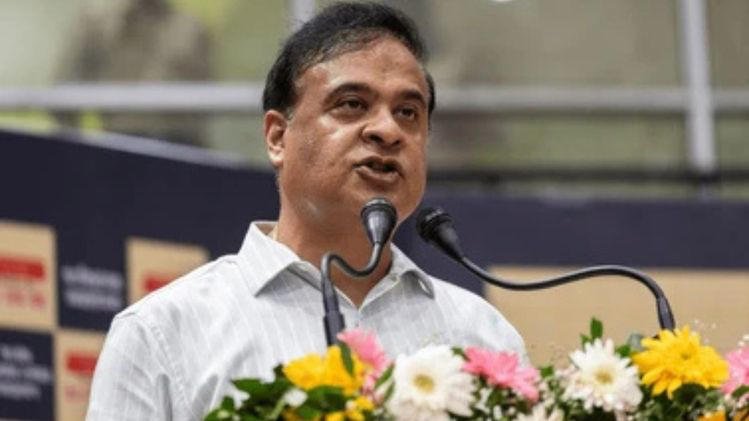
Assam has welcomed the Centre’s decision to establish a high-level committee to study demographic changes, with Chief Minister Himanta Biswa Sarma stating that the move addresses concerns that the state has raised for years regarding illegal infiltration and its impact on local demographics.
Reacting to the Centre’s decision, Sarma said Assam and several northeastern states have consistently highlighted the need for closer assessment of demographic trends due to their geographical location and border-related challenges. According to him, the proposed study panel reflects recognition of long-standing concerns and could support future policymaking based on structured analysis.
The announcement has generated political and public discussion across the region, particularly around issues of population trends, governance planning, and border management.
Read More: GMR to Take Over Nagpur Airport, Begin Major Expansion
Assam Backs Centre’s Move On Demographic Assessment
Speaking on the development, Himanta Biswa Sarma said the creation of a demographic study panel represents an important step toward understanding changes that may affect governance and public planning.
According to the chief minister, demographic shifts influence multiple sectors, including infrastructure, welfare delivery, land use, and resource management. He stated that timely assessment can help policymakers make informed decisions while protecting administrative balance.
Sarma noted that Assam has repeatedly emphasised the importance of maintaining accurate population data and strengthening institutional mechanisms to address emerging demographic concerns.
He added that the state government has consistently argued that demographic studies should support evidence-based governance and long-term planning.
Officials believe that structured demographic analysis can help governments understand trends more effectively and prepare policy responses where necessary.
The Centre’s move has therefore received support from Assam, where demographic issues have remained part of public and political discussions for several years.
Himanta Raises Concerns Over Illegal Infiltration
While welcoming the panel, Himanta Biswa Sarma also referred to concerns surrounding illegal infiltration and its perceived impact on demographic patterns in border regions.
The chief minister said Assam has repeatedly highlighted the issue and maintained that demographic changes require careful study and administrative attention.
According to Sarma, illegal infiltration affects more than population figures and can influence public services, governance priorities, and resource distribution.
He stated that states sharing international borders often experience unique administrative challenges and therefore require stronger institutional support and monitoring mechanisms.
Sarma added that the issue should remain within legal and constitutional frameworks while ensuring that policy responses remain balanced and data-driven.
The chief minister emphasised that the objective should focus on understanding demographic realities and strengthening governance systems.
His remarks align with broader discussions taking place in parts of Northeast India regarding population changes and border management.
Demographic Trends Continue To Shape Policy Discussions
Demographic issues have become an important topic in governance discussions because population patterns often influence development priorities and public policy.
Officials note that changes in population distribution can affect planning related to education, healthcare, infrastructure, and employment.
Supporters of demographic studies argue that governments require updated and reliable information to make informed decisions and allocate resources effectively.
The Centre’s decision to establish a dedicated panel has therefore attracted attention beyond Assam and opened wider conversations around demographic assessment and administrative preparedness.
Observers believe such studies can provide long-term policy insights and support better institutional planning.
At the same time, experts stress that demographic analysis should rely on factual data and established legal processes.
The discussion around demographic trends also reflects broader questions related to migration, governance, and sustainable development.
Assam Links Demographic Stability With Development Goals
The Assam government has repeatedly linked demographic stability with long-term development planning and effective administration.
Officials believe that understanding population trends allows authorities to improve implementation of welfare programmes and strengthen public services.
According to the state government, balanced development requires accurate data and efficient governance structures.
Sarma stated that demographic studies can help identify changing patterns and support more targeted policy decisions in the future.
He also indicated that states facing border-related challenges often require additional focus because demographic shifts may influence local administrative conditions.
The chief minister maintained that understanding such trends contributes to stronger governance and improved public service delivery.
Government officials further noted that long-term planning becomes more effective when supported by reliable demographic assessment.
Focus Turns To Findings And Future Policy Direction
With the Centre now moving ahead with the demographic study panel, attention is expected to shift toward the committee’s findings and future recommendations.
Political observers believe the panel may contribute to broader conversations on governance, population trends, and regional planning.
Supporters argue that structured demographic analysis can support balanced policymaking and help governments respond to emerging challenges.
At the same time, public debate is likely to continue over how demographic changes should be measured and interpreted.
For Assam, the development marks another step in discussions the state has raised over several years regarding population trends and border-linked concerns.
By welcoming the Centre’s initiative, Himanta Biswa Sarma reiterated Assam’s position that demographic assessment remains important for governance, development planning, and addressing concerns related to illegal infiltration through institutional and legal mechanisms.
Read More: Assam Assembly Adopts Resolution For Speedy Implementation Of Women’s Reservation