


Bandh Against Sangai Festival Manipur: A 24-Hour Shutdown
The Bandh against Sangai Festival Manipur has drawn widespread attention after the Kangleipak Communist Party–Military Council (Progressive) enforced a 24-hour shutdown opposing the state’s premier cultural event. The group argued that holding celebrations amid ongoing ethnic conflict is inappropriate and insensitive to the suffering of displaced communities.
The Sangai Festival, named after the endangered brow-antlered deer found only in Manipur, is celebrated annually to showcase the state’s rich cultural heritage, tourism potential, and traditions. However, this year’s festivities have been overshadowed by political tensions and security concerns.
Why the Sangai Festival Matters
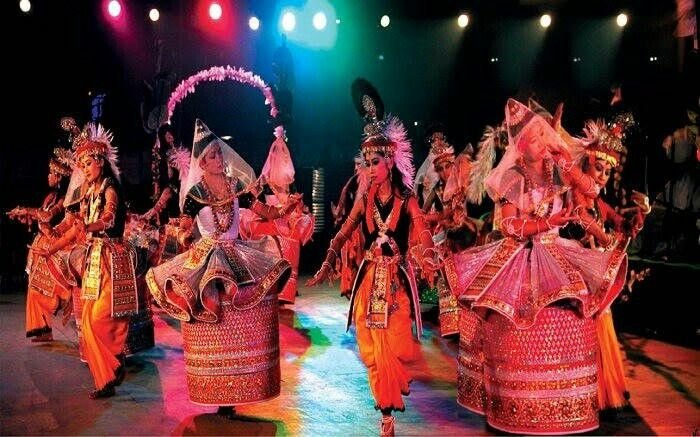
The Sangai Festival is often described as Manipur’s “festival of festivals.” It attracts tourists from across India and abroad, highlighting dance, music, indigenous crafts, and culinary traditions.
Key Highlights of the Festival
- Cultural performances by local artists.
- Handicraft exhibitions showcasing Manipuri artisans.
- Eco-tourism promotion centered on the Sangai deer.
- Sports and adventure activities for visitors.
Despite its cultural significance, critics argue that celebrating during ethnic unrest sends the wrong message to affected communities.
KCP-MC (Progressive) Opposition Explained
The Kangleipak Communist Party–Military Council (Progressive) justified the bandh by pointing to ongoing ethnic violence and displacement in Manipur. Thousands remain in relief camps, and tensions between communities have yet to subside.
Reasons Behind the Bandh
- Ethnic conflict continues to displace families.
- Security concerns make large gatherings risky.
- Perceived insensitivity of celebrating amid unrest.
The group’s stance has sparked debate between those who see the festival as a unifying force and those who believe it undermines the gravity of the current crisis.
Impact of the Bandh on Manipur
The bandh disrupted daily life across several districts, with businesses, transport, and schools affected. Attendance at festival venues dropped significantly, raising questions about the feasibility of continuing celebrations under such circumstances.
Immediate Effects
- Shut shops and markets in Imphal and nearby areas.
- Transport services halted, affecting mobility.
- Festival attendance reduced, impacting tourism revenue.
Local residents expressed mixed feelings, with some supporting the bandh as a show of solidarity with displaced families, while others lamented the economic losses.
Citizen Reactions: Divided Opinions
Public opinion remains divided. Some citizens argue that the festival should be postponed until peace is restored, while others believe it is necessary to maintain cultural continuity.
- Supporters of the bandh: Emphasize empathy for displaced families and argue that celebrations appear insensitive.
- Opponents of the bandh: Stress that festivals can foster unity, provide economic relief, and uplift morale during difficult times.
This divide reflects the broader challenge of reconciling cultural pride with social realities.
Economic Impact of the Bandh
The Sangai Festival is a major driver of tourism revenue in Manipur. Hotels, restaurants, transport operators, and artisans benefit significantly from the influx of visitors.
Losses Due to the Bandh
- Tourism revenue decline from reduced attendance.
- Artisans and performers losing opportunities to showcase their work.
- Hospitality sector facing cancellations and reduced bookings.
For a state where tourism is a growing economic pillar, the bandh has serious financial implications.
Government Response and Security Measures
Authorities deployed additional security forces to maintain order during the bandh. The Manipur government emphasized that the Sangai Festival is vital for promoting tourism and cultural pride, but acknowledged the need to balance festivities with sensitivity to ongoing ethnic issues.
For official updates on Manipur’s cultural programs, visit the Manipur Tourism Department.
Balancing Culture and Conflict
The Bandh against Sangai Festival Manipur highlights the challenge of balancing cultural promotion with social realities. While festivals can foster unity and pride, they can also appear disconnected from the struggles of communities facing violence and displacement.
Experts argue that inclusive dialogue, community participation, and conflict resolution must precede large-scale celebrations to ensure they truly represent the spirit of Manipur.
READ MORE: Mawphlang Dam Water Project Boosts Shillong Supply
The bandh against the Sangai Festival is more than a protest—it is a reminder of the deep wounds still healing in Manipur. Citizens, policymakers, and cultural leaders must work together to ensure that festivals serve as platforms for unity rather than division.