


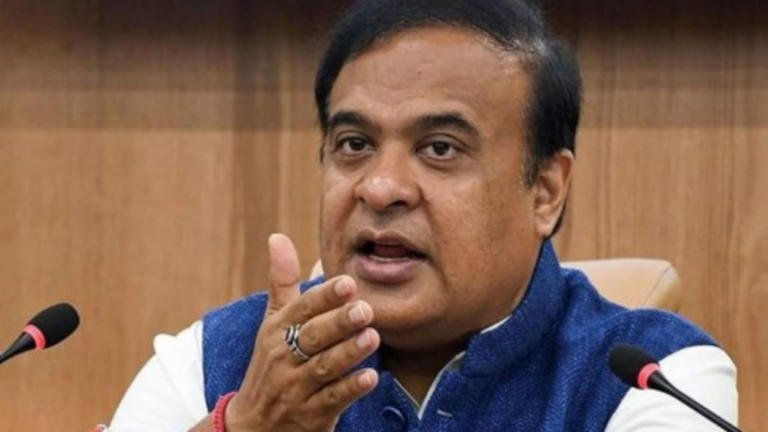
The Ministry of Foreign Affairs Bangladesh has lodged a formal protest following controversial remarks made by Himanta Biswa Sarma. The development has drawn attention to the sensitive nature of diplomatic relations between Bangladesh and India.
Officials in Dhaka expressed concern over the statements, which they believe do not align with the spirit of mutual respect and cooperation shared by the two nations. As a result, the Foreign Ministry formally conveyed its objections through diplomatic channels.
The issue has sparked discussions on political rhetoric and its impact on bilateral ties. While leaders often express strong views, such remarks can influence diplomatic relations. Therefore, both sides now face the task of managing the situation carefully.
Read More: Centre Resumes SoO Talks With Kuki-Zo Groups Amid Manipur Tensions
Details of the Protest
The Ministry of Foreign Affairs Bangladesh issued a formal communication to convey its protest. Officials stated that the remarks made by Himanta Biswa Sarma were inappropriate and could affect the friendly ties between the two countries.
The protest highlights the importance of maintaining respectful communication between neighboring nations. Bangladesh has emphasized that such statements should reflect the principles of diplomacy and cooperation.
At the same time, officials in India have not issued any detailed response to the protest. However, sources suggest that diplomatic channels remain active to address the situation.
Moreover, experts believe that such incidents often require careful handling to prevent escalation. Therefore, both governments may engage in dialogue to resolve the matter.
Background of the Controversy
The controversy stems from remarks made by Himanta Biswa Sarma during a recent public statement. His comments reportedly touched upon issues related to cross-border concerns and regional dynamics.
These remarks drew criticism from various quarters, including officials in Bangladesh. As a result, the Foreign Ministry decided to register a formal protest.
Political statements often reflect domestic concerns. However, when they involve neighboring countries, they can carry broader implications. Consequently, leaders must balance internal messaging with diplomatic sensitivity.
The incident also highlights the role of public discourse in shaping international relations. Statements made in one country can quickly influence perceptions in another.
Impact on India-Bangladesh Relations
Relations between Bangladesh and India have generally remained strong in recent years. The two countries cooperate on issues such as trade, security, and connectivity.
However, incidents like this can create temporary strains. Diplomatic protests signal dissatisfaction and call for clarification or corrective measures.
Despite this development, experts believe that both nations have a strong foundation of cooperation. Therefore, they are likely to resolve the issue through dialogue.
In addition, ongoing collaborations in various sectors provide incentives for both sides to maintain stable relations. This helps prevent isolated incidents from causing long-term damage.
Importance of Diplomatic Communication
Diplomatic communication plays a crucial role in managing disagreements. Formal protests allow countries to express concerns while maintaining structured dialogue.
In this case, Bangladesh has used official channels to convey its position. This approach helps avoid misunderstandings and ensures that concerns are addressed appropriately.
At the same time, India may respond through diplomatic engagement rather than public statements. Such an approach can help de-escalate tensions and maintain mutual respect.
Furthermore, both countries understand the importance of regional stability. Therefore, they are likely to prioritize constructive communication over confrontation.
Political and Public Reactions
The controversy has also generated reactions in political and public circles. Some leaders have called for restraint in public statements involving international matters.
Others have emphasized the importance of safeguarding national interests while maintaining diplomatic decorum. This balance remains essential in a globalized world.
Media coverage has further amplified the issue. As a result, public awareness of the situation has increased. However, experts caution against overinterpretation of isolated remarks.
In addition, analysts note that domestic political contexts often influence such statements. Understanding these contexts can help in assessing their impact on international relations.
Way Forward for Both Countries
Moving forward, both India and Bangladesh will likely focus on resolving the issue through dialogue. Diplomatic engagement can help clarify positions and address concerns.
Officials may also emphasize the broader relationship between the two nations. By focusing on shared interests, they can prevent the situation from escalating.
Moreover, leaders may adopt a more cautious approach in public statements. This can help avoid similar controversies in the future.
The incident also serves as a reminder of the importance of communication in diplomacy. Clear and respectful dialogue can strengthen relationships and prevent misunderstandings.
Conclusion
The formal protest by Bangladesh over remarks made by Himanta Biswa Sarma highlights the sensitivity of diplomatic relations. While such incidents can create temporary tensions, they also provide an opportunity for dialogue and clarification.
Both countries share strong ties and a history of cooperation. Therefore, they are likely to address the issue through constructive engagement.
Ultimately, maintaining mutual respect and open communication will be key to preserving the relationship. With careful handling, the situation can be resolved without long-term impact on India-Bangladesh relations.
Read More: Nagaland Conducts Mega Mock Drill on Earthquake Preparedness