


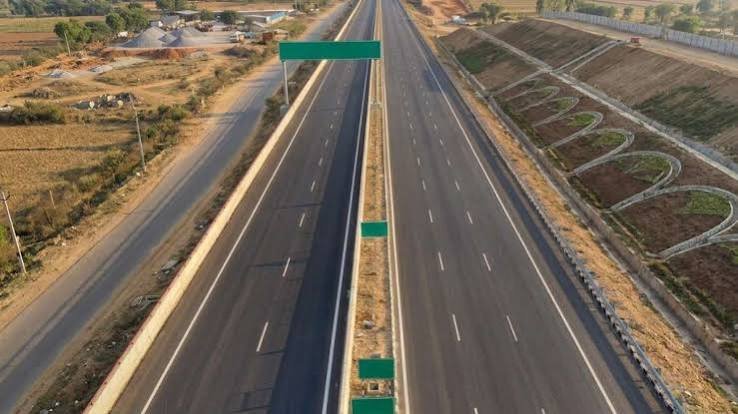
The Guwahati to Tezpur Highway Project has gained attention after authorities approved a major road connectivity initiative linking two important locations in Assam. The project comes amid heightened scrutiny of regional infrastructure as severe flooding continues to affect transportation and public services across parts of the state.
Sivasagar Floods: 50 Out of 95 Deaths Reported in One District
The Guwahati-Tezpur corridor holds importance for passenger movement, commercial transportation, tourism, and regional connectivity. Moreover, improved highway infrastructure could strengthen the movement of people and goods between major urban centres and surrounding districts.
However, the approval also raises questions about how new infrastructure will address Assam’s recurring flood risks. The available information does not specify the project cost, exact alignment, construction timeline, or the flood-resilience measures included in the plan.
Guwahati to Tezpur Highway Project Targets Better Connectivity
The Guwahati to Tezpur Highway Project aims to strengthen road connectivity between Guwahati and Tezpur.
Both locations serve important roles in Assam’s transportation and economic network. Furthermore, an improved highway corridor can support daily commuters, freight operators, businesses, and travellers moving between different parts of the state.
Better connectivity can also support access to education, healthcare, markets, and administrative services.
However, the available information does not provide the planned road length or specifications.
Guwahati to Tezpur Highway Project Faces Flood Scrutiny
The Guwahati to Tezpur Highway Project comes under attention because of Assam’s recurring flood and waterlogging challenges.
Flooding can damage road surfaces, weaken embankments, disrupt drainage, and interrupt traffic. Additionally, prolonged inundation can increase maintenance requirements and raise the cost of keeping transport corridors operational.
Infrastructure planning must therefore consider local flood conditions from the design stage.
However, the available information does not specify whether the approved project includes elevated sections, enhanced drainage, or other flood-resistant features.
Guwahati to Tezpur Highway Project Could Support Economic Activity
The Guwahati to Tezpur Highway Project could contribute to economic activity by improving the movement of goods and people.
Reliable road connections can help businesses reach markets more efficiently. Moreover, faster transportation can support agriculture, tourism, retail, logistics, and other sectors that depend on dependable road access.
Improved connectivity can also encourage investment along the corridor.
However, the available information does not provide estimates of expected economic benefits.
Guwahati to Tezpur Highway Project Strengthens Regional Mobility
The Guwahati to Tezpur Highway Project could improve mobility between major population and commercial centres.
A stronger highway can provide more predictable travel conditions and reduce pressure on existing routes. Furthermore, better road capacity can support both passenger and freight movement.
This could make the corridor more important for Assam’s wider transportation network.
However, the available information does not indicate whether the project will involve widening an existing road or constructing a new alignment.
Guwahati to Tezpur Highway Project Could Improve Disaster Response
The Guwahati to Tezpur Highway Project could also support emergency transportation during floods and other disasters.
Reliable highways can help authorities move rescue teams, medical personnel, relief supplies, and emergency equipment. Additionally, resilient road links can provide alternative transportation options when other routes become inaccessible.
This makes disaster preparedness an important consideration for major highway projects in Assam.
However, no specific emergency-response features have been confirmed for the project.
Guwahati to Tezpur Highway Project Raises Environmental Questions
The Guwahati to Tezpur Highway Project will also require attention to environmental conditions along the proposed corridor.
Road construction can affect drainage patterns, vegetation, wetlands, and surrounding land. Moreover, poorly planned infrastructure can worsen local waterlogging or create additional environmental pressures.
Careful engineering and environmental assessment can help reduce these risks.
However, the available information does not provide details about environmental clearances or mitigation measures.
Guwahati to Tezpur Highway Project Could Boost Tourism
The Guwahati to Tezpur Highway Project could support tourism by improving access between important destinations.
Tezpur serves as a gateway to several cultural, historical, and natural attractions in Assam. Furthermore, better road connectivity can make travel more convenient for visitors while supporting hotels, restaurants, transport providers, and local businesses.
Tourism growth could therefore become one indirect benefit of improved connectivity.
However, the available information does not provide tourism projections linked to the project.
Guwahati to Tezpur Highway Project Requires Strong Drainage
The Guwahati to Tezpur Highway Project will need effective drainage systems if it is to remain reliable during heavy rainfall.
Adequate drainage can help prevent water from accumulating on road surfaces and damaging highway structures. Additionally, properly designed culverts and water crossings can help maintain natural water flow.
These measures can improve the road’s resilience during extreme weather.
However, the available information does not specify the drainage design planned for the project.
Highway Project Needs Careful Implementation
The Guwahati to Tezpur Highway Project will require efficient implementation to deliver its intended benefits.
Large road projects can face challenges involving land acquisition, utility relocation, environmental approvals, construction logistics, and weather conditions. Moreover, flooding during construction can create additional delays and safety challenges.
Effective monitoring can help authorities manage these risks.
However, the available information does not provide a confirmed construction schedule.
Guwahati to Tezpur Highway Project Highlights Resilient Infrastructure
The Highway Project highlights the need to combine connectivity goals with disaster-resilient infrastructure.
Assam regularly experiences heavy rainfall and flooding, making resilient transport infrastructure particularly important. Furthermore, roads designed for local environmental conditions can reduce future repair requirements and improve reliability.
Long-term planning can therefore strengthen the value of the investment.
However, the specific resilience standards for this project have not been provided.
Conclusion
The Guwahati to Tezpur Highway Project has been approved as a major connectivity initiative linking two important locations in Assam. The project could strengthen passenger and freight movement while supporting economic activity, tourism, and emergency access.
Moreover, the approval comes amid serious scrutiny of infrastructure resilience because of recurring floods across the region. Therefore, drainage, embankment stability, environmental safeguards, and disaster-resilient engineering will remain important considerations during implementation.
Overall, the Highway Project could improve Assam’s regional connectivity if authorities execute it efficiently and incorporate strong flood-resilience measures. However, the project’s cost, alignment, timeline, and detailed engineering specifications remain unspecified in the information provided.
FAQs
1. What is the Guwahati to Tezpur Highway Project?
It is an approved highway connectivity initiative intended to strengthen road links between Guwahati and Tezpur in Assam.
2. Why is the project facing flood scrutiny?
Assam regularly experiences flooding, which can damage roads, disrupt traffic, and affect drainage and infrastructure stability.
3. How could the highway benefit Assam?
It could improve passenger travel, freight movement, tourism, trade, emergency response, and regional connectivity.
4. What flood-resilience measures may be important?
Strong drainage, suitable culverts, stable embankments, flood-resistant road design, and regular maintenance can improve highway resilience.
5. When will construction begin?
The available information does not provide a confirmed construction start date or completion timeline.