


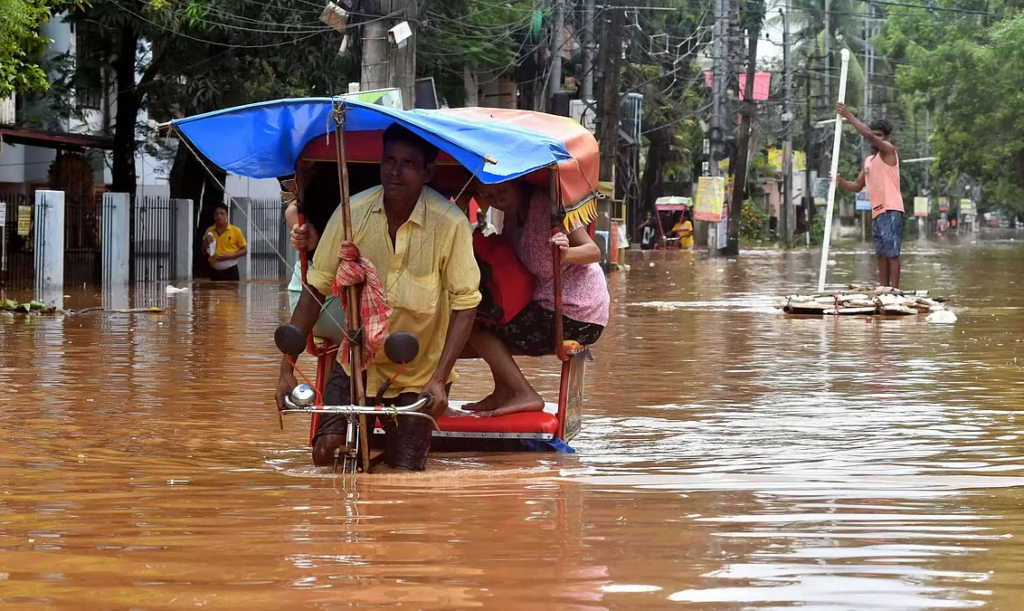
The Guwahati Urban Flooding situation worsened after severe waterlogging affected several low-lying areas of the city, including Anil Nagar. According to the available information, heavy rainfall created significant disruptions, impacting daily movement and causing difficulties for residents in vulnerable parts of Guwahati.
Assam Flood Inundation Worsens as Dikhow River Crosses Danger Levels After Heavy Monsoon Rains
Guwahati Urban Flooding Intensifies After Heavy Rainfall
The Guwahati Urban Flooding crisis emerged after intense rainfall caused severe water accumulation in several low-lying areas of the city. According to the available information, locations including Anil Nagar experienced major waterlogging that affected normal activities.
Urban flooding remains a recurring challenge for Guwahati during periods of heavy rainfall. Moreover, low-lying neighbourhoods often face greater difficulties because water drains slowly from these areas.
The accumulation of rainwater disrupted transportation and daily movement for residents. Therefore, effective drainage management and timely response remain important during extreme weather conditions.
Authorities continue to monitor affected areas as rainfall patterns influence the city’s flood situation.
Guwahati Urban Flooding Affects Low-Lying Neighbourhoods
The Guwahati Urban Flooding situation caused difficulties for residents in several vulnerable parts of the city. According to the available information, Anil Nagar and other low-lying locations faced severe waterlogging following heavy rainfall.
Moreover, urban flooding can affect roads, residential areas, and public movement by creating obstacles for commuters. Water accumulation also increases challenges for local administrations responsible for maintaining essential services during adverse weather.
The flooding highlights the difficulties faced by rapidly developing urban areas during intense rainfall events. Consequently, improving drainage systems remains an important aspect of managing flood risks in cities like Guwahati.
No detailed information regarding the duration of waterlogging or specific relief measures has been provided.
Guwahati Urban Flooding Highlights Drainage Challenges
The Guwahati Urban Flooding issue reflects the challenges associated with managing heavy rainfall in urban environments. According to the available information, severe waterlogging affected low-lying areas, including Anil Nagar, disrupting daily life.
Additionally, urban flood management requires coordination between municipal authorities, weather agencies, and residents. Efficient drainage networks and regular maintenance play an important role in reducing water accumulation during heavy rainfall.
The situation demonstrates the need for continued attention toward improving urban infrastructure. Therefore, addressing drainage challenges remains a key factor in reducing the impact of future flooding events.
Authorities have not announced any long-term infrastructure measures related specifically to this flooding incident.
Why the Guwahati Urban Flooding Situation Matters
The Guwahati Urban Flooding situation is significant because repeated waterlogging affects residents, businesses, transportation systems, and urban services. Flooding in low-lying areas can create immediate difficulties for communities while highlighting broader infrastructure challenges.
Moreover, effective urban planning and drainage management can help cities respond better to extreme weather conditions. Regular monitoring and preparedness measures also support faster responses during periods of heavy rainfall.
The flooding in Anil Nagar and nearby areas highlights the importance of strengthening urban resilience. Similarly, improving water management systems can help reduce disruptions caused by future rainfall events.
Further official updates may provide additional information regarding the response and conditions in affected areas.
Conclusion
The situation has disrupted daily life after severe waterlogging affected low-lying areas, including Anil Nagar. Heavy rainfall created challenging conditions for residents and highlighted the city’s ongoing difficulties in managing urban flooding.
Furthermore, the incident emphasizes the importance of effective drainage systems, infrastructure planning, and timely responses during extreme weather events. Urban flooding continues to remain a major challenge for cities experiencing intense rainfall.
Overall, the Guwahati Urban Flooding incident reflects the need for continued efforts to improve flood management and urban preparedness. As weather conditions change, further monitoring and official updates will provide more information about the situation and response measures.
FAQs
1. What is the Guwahati Urban Flooding situation?
The Flooding situation refers to severe waterlogging in parts of Guwahati caused by heavy rainfall, affecting low-lying areas such as Anil Nagar.
2. Which area was affected by the flooding?
According to the available information, Anil Nagar and other low-lying areas of Guwahati experienced severe waterlogging.
3. What caused the Guwahati Urban Flooding?
Heavy rainfall led to water accumulation, resulting in flooding and disruption in affected areas.
4. How did the flooding affect residents?
The flooding disrupted daily movement and created difficulties for residents in affected neighbourhoods.
5. Are authorities taking action to address the flooding?
Based on the available information, authorities are monitoring the situation, but details of specific measures have not been provided.