


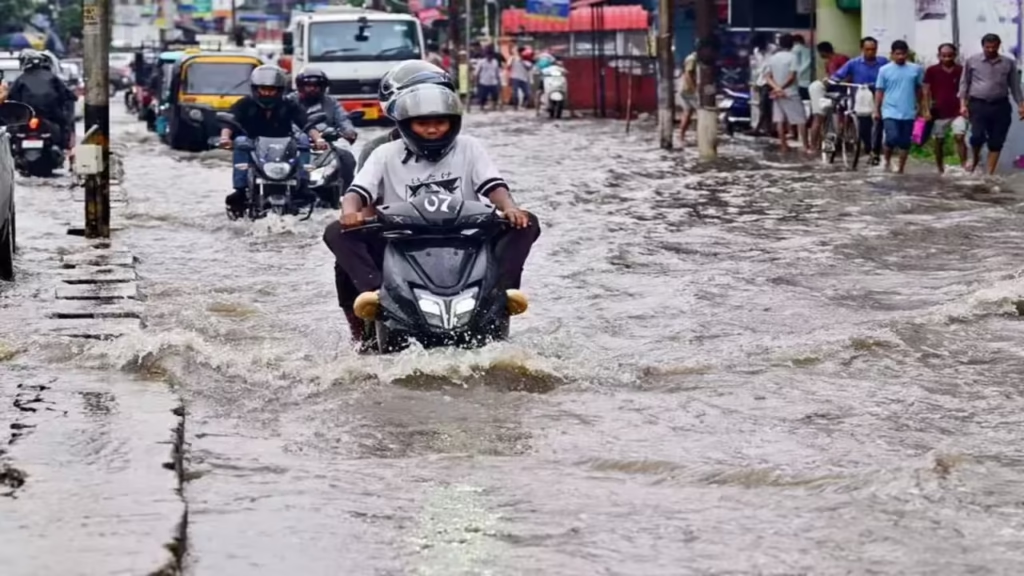
The Guwahati waterlogging crisis has intensified after heavy downpours inundated large parts of the city for the second consecutive day. Flooded roads, blocked transit routes, and traffic congestion have severely disrupted daily life, leaving commuters and residents struggling to navigate key areas. Moreover, continuous rainfall has overwhelmed drainage systems, prompting authorities to monitor vulnerable zones and implement emergency measures.
Assam CM meets Vice President Dhankhar
Kuki hostage release cancelled protests
Heavy Rain Triggers Severe Urban Flooding
Guwahati continues to face major challenges as relentless rainfall causes widespread waterlogging across the city. Heavy showers over the past two days have submerged roads and affected several residential and commercial areas.
Moreover, continuous precipitation has placed immense pressure on the city’s drainage infrastructure. As rainwater accumulated rapidly, many low-lying areas experienced flooding that disrupted normal activities.
Consequently, residents have encountered significant difficulties in commuting and accessing essential services.
Second Consecutive Day of Waterlogging
The city has witnessed severe waterlogging for the second straight day, raising concerns among residents and authorities. Persistent rainfall has prevented floodwaters from receding quickly, prolonging disruptions across multiple localities.
Furthermore, recurring flooding has affected daily routines, business operations, and public transportation services. Therefore, many residents have adjusted travel plans and remained cautious while moving through affected areas.
As a result, urban flooding has become one of the most pressing concerns in the city.
Key Transit Routes Face Disruptions
Several major roads and arterial transit points have experienced significant water accumulation. Consequently, traffic movement has slowed considerably, creating long queues and delays across important transportation corridors.
Moreover, flooded roads have reduced vehicle mobility and complicated commuting during peak hours. Emergency services and public transport operators have also faced challenges navigating affected routes.
Therefore, transportation disruptions remain a major consequence of the ongoing rainfall.
Daily Life Comes Under Pressure
Waterlogging has affected multiple aspects of daily life in Guwahati. Residents have encountered difficulties reaching workplaces, educational institutions, markets, and healthcare facilities.
Additionally, businesses in flood-affected areas have experienced interruptions due to reduced customer access and transportation challenges. Therefore, prolonged waterlogging continues to impact economic and social activities throughout the city.
As a result, citizens are eagerly awaiting improvements in weather conditions.
Drainage Systems Face Heavy Stress
Urban drainage systems play a critical role in managing rainwater during the monsoon season. However, intense and continuous rainfall can exceed drainage capacity and lead to widespread flooding.
Furthermore, rapid urbanization and increased surface runoff often compound waterlogging challenges in growing cities. Therefore, effective drainage management remains essential for reducing flood risks.
Consequently, authorities continue monitoring drainage performance in vulnerable locations.
Authorities Monitor Flood-Prone Areas
Municipal agencies and local authorities have intensified monitoring efforts across flood-prone zones. Officials are tracking water levels, assessing road conditions, and coordinating response measures to minimize disruptions.
Moreover, emergency teams remain prepared to respond to any situation that may arise due to continuing rainfall. Preventive action can help reduce risks and improve public safety during adverse weather events.
As a result, authorities continue urging residents to stay informed through official updates.
Public Transportation Faces Challenges
Flooded roads have affected public transportation services across several parts of the city. Buses and other transport services have experienced delays as drivers navigate waterlogged stretches.
Additionally, commuters have faced longer travel times due to traffic congestion and route diversions. Therefore, transportation challenges continue to affect thousands of residents each day.
Consequently, public mobility remains one of the sectors most impacted by the weather conditions.
Monsoon Season Brings Recurring Concerns
Urban flooding has become a recurring challenge during the monsoon season in many cities across the Northeast. Heavy rainfall often tests existing infrastructure and highlights areas that require long-term improvements.
Moreover, recurring waterlogging incidents underscore the importance of effective urban planning and drainage upgrades. Therefore, authorities frequently evaluate infrastructure needs following major weather events.
As a result, discussions regarding flood mitigation measures often gain momentum after such incidents.
Safety Remains a Priority
Authorities have advised residents to exercise caution while traveling through affected areas. Flooded roads can create hazardous conditions for motorists, pedestrians, and two-wheeler riders.
Furthermore, officials encourage citizens to avoid unnecessary travel during periods of intense rainfall. Following safety guidelines can help reduce risks associated with urban flooding.
Consequently, public awareness remains a key component of disaster preparedness efforts.
Looking Ahead
Weather conditions will play a crucial role in determining how quickly floodwaters recede across the city. If rainfall intensity decreases, authorities expect gradual improvement in waterlogged areas.
Moreover, municipal agencies will continue monitoring vulnerable zones and implementing measures to restore normalcy. Ongoing assessments will help officials address immediate concerns and identify long-term solutions.
As a result, residents remain hopeful for improved conditions in the coming days.
Conclusion
The Guwahati waterlogging crisis has entered its second consecutive day as heavy rainfall continues to disrupt transportation, business activities, and daily life. Flooded roads and blocked transit routes have created significant challenges for residents and commuters across the city.
As authorities monitor the situation and coordinate response efforts, public cooperation and adherence to safety advisories remain essential. The ongoing crisis also highlights the need for stronger urban drainage systems and long-term flood management strategies to address recurring monsoon challenges.
FAQs
Why is Guwahati experiencing severe waterlogging?
Continuous heavy rainfall over two consecutive days has overwhelmed drainage systems and caused widespread flooding.
Which areas are most affected?
Several major roads, low-lying areas, and key transit routes across the city have experienced significant water accumulation.
How has the flooding affected daily life?
The flooding has disrupted transportation, business activities, commuting, and access to essential services.
What are authorities doing to address the situation?
Officials are monitoring flood-prone zones, assessing road conditions, and coordinating emergency response measures.
What precautions should residents take?
Residents should follow official advisories, avoid flooded routes when possible, and exercise caution during travel.