


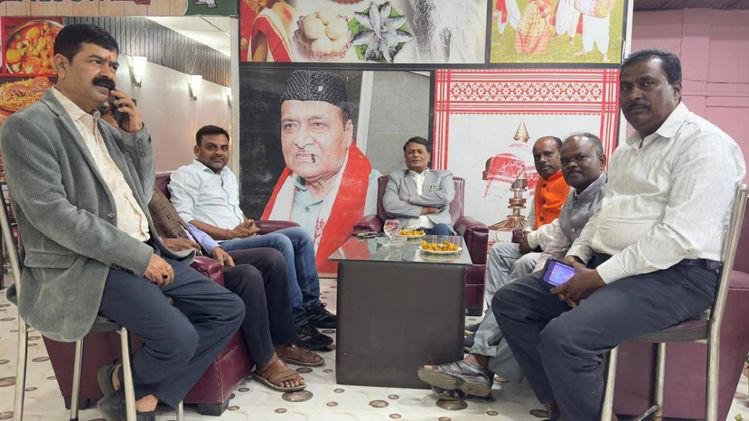
Hindi-speaking residents in Assam have urged the state government to formally recognize and affirm their rights, highlighting their presence and contribution over the past 150 years. The demand has gained momentum as members of the community seek clarity on identity, inclusion, and equal access to opportunities.
Community leaders and civil society groups have emphasized that Hindi-speaking populations have been an integral part of Assam’s social and economic fabric for generations. Despite this long history, they argue that concerns related to recognition and representation continue to persist.
Historical Presence of Hindi-Speaking Communities
Hindi-speaking residents in Assam trace their roots back to the colonial era when many families migrated to the region for trade, labour, and administrative work. Over time, these communities settled permanently and contributed significantly to the state’s growth.
From small businesses to larger commercial networks, Hindi-speaking populations have played a key role in Assam’s economic development. Many families have lived in the state for multiple generations, strengthening their cultural and social ties with the region.
Despite their long-standing presence, community members say they often face challenges in being recognized as an integral part of Assam’s diverse identity.
Demand for Recognition and Equal Rights
The primary demand raised by Hindi-speaking residents in Assam is official recognition of their rights. Community representatives have called on the government to ensure equal treatment in areas such as education, employment, and political representation.
They have also stressed the importance of safeguarding their linguistic and cultural identity. While Assam is known for its diversity, they believe that greater inclusivity is needed to reflect the contributions of all communities.
Additionally, concerns have been raised about documentation and identity-related issues. Residents have urged the government to provide clarity and assurance regarding their status.
Concerns Over Identity and Inclusion
Identity remains a central issue for Hindi-speaking residents in Assam. Many community members feel that their long history in the state is not adequately acknowledged in official policies and narratives.
This has led to a sense of uncertainty, particularly among younger generations. They seek assurance that their rights will be protected and that they will not face discrimination based on language or origin.
Furthermore, community leaders have highlighted the need for inclusive policies that recognize the diversity of Assam’s population. They argue that such measures will strengthen social harmony and unity.
Role in Assam’s Economic Growth
Hindi-speaking residents have contributed significantly to Assam’s economy, particularly in trade, retail, and small-scale industries. Their entrepreneurial activities have supported local markets and created employment opportunities.
In urban centres as well as smaller towns, Hindi-speaking business communities have played a vital role in economic activity. Their contributions extend beyond commerce, including participation in social and cultural initiatives.
Given this impact, community representatives believe that their role in Assam’s development should be formally acknowledged.
Government’s Response and Policy Expectations
The Assam government has yet to make a detailed statement on the demands raised by Hindi-speaking residents. However, officials have indicated that issues related to identity and inclusion require careful consideration.
Community leaders have called for dialogue with the government to address their concerns. They hope that constructive discussions will lead to policies that ensure equal rights and opportunities.
There is also an expectation that the government will take steps to promote inclusivity while maintaining the state’s cultural balance.
Need for Social Harmony and Inclusivity
Experts have noted that Assam’s strength lies in its diversity. Ensuring the inclusion of all communities, including Hindi-speaking residents, is essential for maintaining social harmony.
Policies that recognize and respect different linguistic and cultural groups can help build trust and cooperation. Moreover, inclusive governance can contribute to long-term stability and development.
Community members have reiterated that their demands are not confrontational but aimed at securing rightful recognition and participation.
Broader Implications for State Politics
The issue of rights and recognition for Hindi-speaking residents in Assam could have broader political implications. It may influence public discourse on identity, citizenship, and inclusion in the state.
Political parties may also respond to these concerns as they engage with different voter groups. As a result, the issue could shape future policy debates and electoral strategies.
At the same time, observers believe that a balanced approach will be necessary to address concerns without creating divisions.
Conclusion
The demand by Hindi-speaking residents in Assam for recognition of their rights after 150 years highlights an important aspect of the state’s social fabric. Their long-standing presence and contributions underline the need for inclusive policies that reflect Assam’s diversity.
As discussions continue, the focus will be on finding solutions that ensure equality, respect, and social harmony. Addressing these concerns effectively can strengthen unity and support the state’s overall development.
The coming months may prove crucial in determining how the government responds to these demands and how the issue shapes Assam’s social and political landscape.