


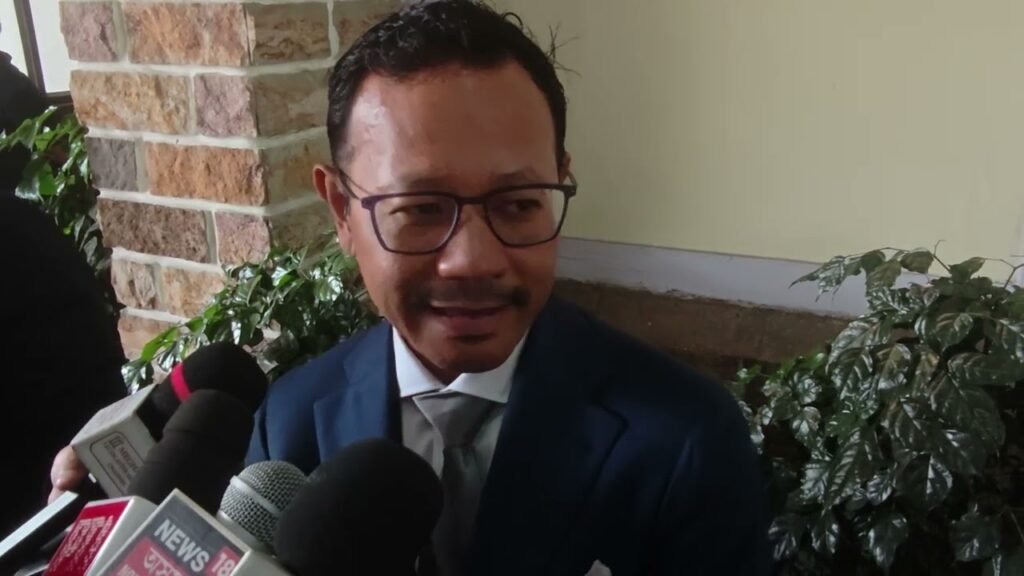
The James Sangma Rajya Sabha announcement has sparked discussion across Meghalaya’s political landscape after National People’s Party (NPP) leader James P.K. Sangma declared on June 8 that he would not contest the 2028 Assembly elections if elected to the Rajya Sabha. Moreover, the statement offers insight into the party’s future leadership plans and raises important questions about political succession, representation, and governance priorities in the state.
NPP Northeast Interests Commitment Takes Center Stage at Annual Meeting
Remarkable Tezpur Litchi Export Success Reaches Global Markets
James Sangma Rajya Sabha Announcement Draws Attention
The James Sangma Rajya Sabha statement emerged as a significant political development in Meghalaya on June 8. During a public announcement, National People’s Party leader James P.K. Sangma stated that he would not contest the 2028 Meghalaya Assembly elections if he secures election to the Rajya Sabha.
Moreover, the declaration immediately attracted attention from political observers, party workers, and voters across the state. The statement provides a glimpse into possible leadership transitions within the NPP and broader political dynamics in Meghalaya.
NPP Leader Clarifies Future Political Plans
James P.K. Sangma’s remarks offered clarity regarding his future political trajectory. Consequently, his statement suggests that a successful Rajya Sabha election would mark a shift from active participation in state assembly politics to a role focused on national-level legislative responsibilities.
Additionally, such announcements often help political parties prepare for future leadership adjustments. Clear communication regarding political intentions can reduce uncertainty among party members and supporters.
Rajya Sabha Role Carries National Responsibilities
The Rajya Sabha serves as the Upper House of India’s Parliament and plays a crucial role in legislative deliberations. Therefore, members elected to the chamber participate in debates, review legislation, and contribute to national policymaking.
Furthermore, representatives from states such as Meghalaya can raise regional concerns at the national level. Effective parliamentary engagement often helps ensure that local priorities receive broader attention within policymaking circles.
Meghalaya’s Political Landscape Continues to Evolve
Meghalaya’s political environment has witnessed several important developments in recent years. Consequently, leadership decisions by senior political figures frequently attract public and media interest.
Moreover, announcements regarding future electoral participation can influence discussions about party strategy, governance priorities, and political representation. Such developments often shape long-term political planning within major parties.
Significance for the National People’s Party
The statement by James P.K. Sangma carries particular significance for the National People’s Party. Notably, the NPP remains a major political force in Meghalaya and continues to play an influential role in state governance.
Additionally, leadership transitions within established political organizations often create opportunities for emerging leaders to assume greater responsibilities. Party structures frequently evolve as senior leaders move into different roles.
Potential Impact on Future Assembly Elections
Although the next Assembly election remains some time away, the announcement has already prompted discussions about future electoral strategies. Therefore, political observers are examining how the NPP may approach candidate selection and leadership development in the coming years.
Furthermore, early declarations regarding electoral intentions provide parties with additional time to plan organizational strategies and identify potential successors for key political positions.
Importance of Leadership Succession in Politics
Leadership succession remains a critical aspect of democratic politics. Consequently, political parties often focus on developing future leaders capable of maintaining organizational stability and policy continuity.
Moreover, succession planning helps ensure that governance and party operations continue smoothly despite changes in leadership roles. Effective preparation can strengthen public confidence in political institutions.
Representation of Meghalaya at the National Level
If elected to the Rajya Sabha, James P.K. Sangma would have the opportunity to represent Meghalaya’s interests in Parliament. Therefore, issues related to infrastructure, development, education, employment, and regional growth could receive attention through parliamentary engagement.
Additionally, northeastern states often rely on effective representation in national forums to highlight unique regional concerns and development priorities.
Public and Political Reactions
The announcement generated discussion within political circles throughout Meghalaya. Moreover, party supporters and observers have interpreted the statement as an indication of a possible transition toward national-level political responsibilities.
Meanwhile, political analysts noted that such declarations often contribute to broader conversations about future leadership structures and party organization within the state.
Looking Ahead to Future Political Developments
The James Sangma Rajya Sabha announcement has added a new dimension to Meghalaya’s political discourse. Consequently, attention may increasingly focus on both the Rajya Sabha election process and the long-term implications of leadership changes within the NPP.
Furthermore, future political developments will likely determine how the party balances state-level governance responsibilities with national parliamentary representation.
Conclusion
The James Sangma Rajya Sabha announcement represents an important political development in Meghalaya. By publicly stating that he will not contest the 2028 Assembly elections if elected to the Rajya Sabha, James P.K. Sangma has provided clarity regarding his future political ambitions and potential role within India’s parliamentary framework.
Moreover, the statement highlights the evolving nature of leadership within the National People’s Party and underscores the importance of succession planning in democratic politics. As political organizations prepare for future electoral challenges, early declarations regarding leadership intentions can contribute to stability and strategic planning.
Furthermore, the possibility of representing Meghalaya in the Rajya Sabha would allow greater engagement with national legislative processes while offering an avenue to advocate for regional concerns. The announcement has already generated considerable interest among political observers and citizens alike. Overall, the James Sangma Rajya Sabha development not only reflects an individual political decision but also points toward broader discussions about leadership transitions, representation, and the future direction of politics in Meghalaya.
FAQs
Q1. What did James P.K. Sangma announce on June 8?
James P.K. Sangma announced that he would not contest the 2028 Meghalaya Assembly elections if he is elected to the Rajya Sabha.
Q2. Why is the announcement significant?
The statement provides insight into future leadership planning within the National People’s Party and highlights a potential shift from state-level politics to national parliamentary responsibilities.
Q3. What is the James Sangma Rajya Sabha announcement about?
The James Sangma Rajya Sabha announcement refers to his declaration that he will focus on Rajya Sabha responsibilities and step away from contesting the next Meghalaya Assembly election if elected.
Q4. What role does a Rajya Sabha member perform?
Rajya Sabha members participate in legislative debates, review bills, and represent state interests within India’s Parliament.
Q5. How could the decision affect Meghalaya politics?
The decision may encourage leadership transitions within the NPP and influence preparations for future Assembly elections and party organizational strategies.