


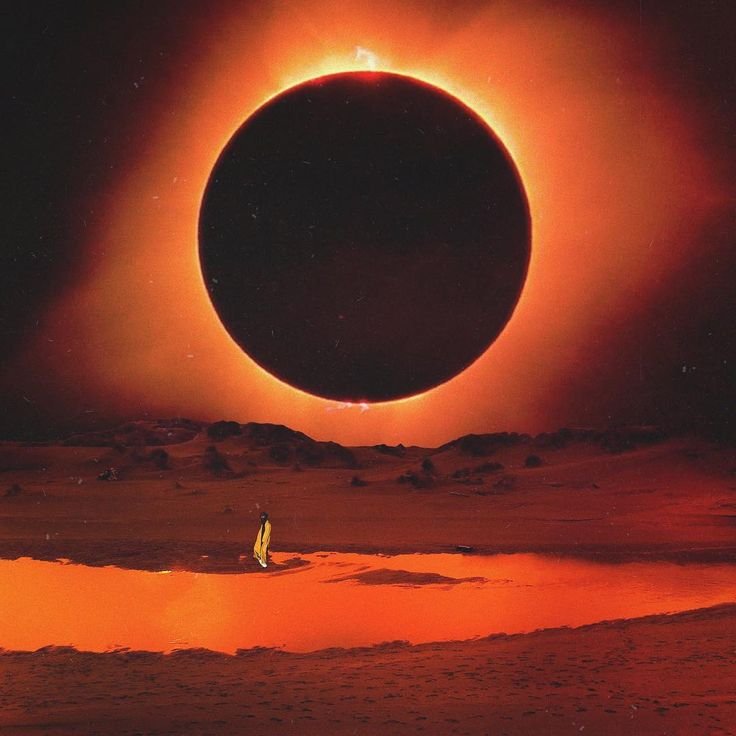
A Celestial Spectacle: Blood Moon 2025 Over Northeast India
A rare total lunar eclipse, popularly known as a Blood Moon, will grace the skies of Assam and the northeastern states on the night of 7–8 September 2025, offering skywatchers a stunning celestial show. The eclipse is set to last approximately 3 hours and 34 minutes, with full totality visible from major northeastern cities including Guwahati, Imphal, Shillong, and Aizawl.
This natural marvel will be the last total lunar eclipse visible in India until March 2026, making it an unmissable event for astronomers, photographers, and spiritual seekers alike.
What Is a Total Lunar Eclipse?
Why It’s Called a “Blood Moon”
A total lunar eclipse occurs when the Earth comes directly between the Sun and the Moon, casting a shadow that completely covers the Moon. During this phenomenon, the Moon takes on a deep red hue due to Rayleigh scattering of sunlight by the Earth’s atmosphere—hence the nickname Blood Moon.
This is different from a partial lunar eclipse, where only a portion of the Moon is obscured.

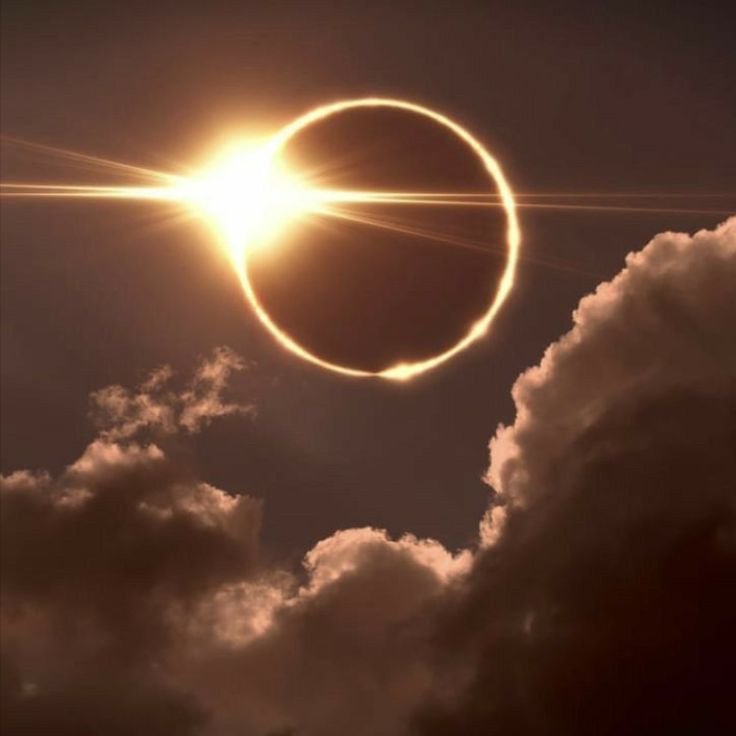
Eclipse Timing for Assam and Northeast India
The Chandra Grahan (lunar eclipse) will be fully visible in Assam, Arunachal Pradesh, Nagaland, Mizoram, Meghalaya, Tripura, and Manipur. Here are the important timings in Indian Standard Time (IST):
| Phase | Time (IST) |
|---|---|
| Penumbral Eclipse Begins | 06:17 PM, 7 Sept 2025 |
| Partial Eclipse Begins | 07:14 PM |
| Total Eclipse Begins | 08:19 PM |
| Maximum Eclipse | 08:58 PM |
| Total Eclipse Ends | 09:37 PM |
| Partial Eclipse Ends | 10:42 PM |
| Penumbral Eclipse Ends | 11:39 PM |
Sutak Period and Spiritual Significance
In many parts of India, lunar eclipses carry spiritual significance, especially in Hindu tradition. The Sutak period, a time of purification and fasting, begins approximately 9 hours before the eclipse, i.e., at 12:59 PM IST on 7 September.
During Sutak:
- Temples remain closed.
- People refrain from eating or drinking.
- Activities like meditation, chanting, and donation are encouraged.
Tips for Watching and Photographing the Eclipse
Whether you’re a professional astrophotographer or a casual observer, here are a few tips to enjoy the Blood Moon:
Best Viewing Locations in Northeast India
- Guwahati: Kamakhya Hills or Umananda Ghat
- Shillong: Laitlum Canyons
- Imphal: Loktak Lake area
- Aizawl: Durtlang Hills
Photography Tips
- Use a tripod for stability.
- Shoot in manual mode with high ISO.
- Try using a zoom lens (200mm+) for detailed shots.
- Capture different phases for a composite image.
Cultural & Scientific Outreach
Local science centers, schools, and astronomy clubs across the Northeast have planned public observation programs, including:
- Guwahati Planetarium: Free telescope viewing and live commentary
- Manipur Science Centre: Moon talks and night sky sessions
- Shillong Amateur Astronomers’ Group: Live stream on YouTube
When Is the Next Total Lunar Eclipse in India?
If you miss this Blood Moon, your next chance won’t come until March 14, 2026, when another total lunar eclipse will be visible from India. However, it may not be as prominently visible in the Northeast as the one in September 2025.
READ MORE: Northeast India Cultural Festival Builds ASEAN, Singapore Ties
The total lunar eclipse in Assam 2025 is more than just an astronomical event—it’s a cultural, spiritual, and visual experience that unites people under the same sky. Whether you’re watching with scientific curiosity or spiritual reverence, mark your calendar and prepare to witness one of nature’s most breathtaking phenomena.
READ MORE: Tripura to Get First Women’s University, Announces CM Manik Saha on Teachers’ Day