


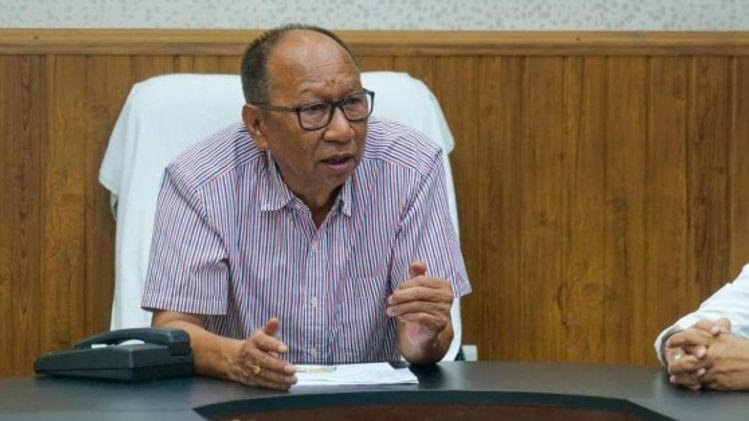
Manipur CM Kuki Zo Council meeting efforts have taken centre stage as the state government pushes for dialogue to restore peace and normalcy. Chief Minister N Biren Singh has expressed his willingness to meet representatives of the Kuki Zo Council in a bid to ease tensions and rebuild trust among communities.
Read More: Tripura Rural Livelihood Mission Targets 1.35 Lakh Lakhpati Didis by 2026–27
CM proposes dialogue to restore stability
Chief Minister N Biren Singh has taken a proactive step by seeking a formal meeting with the Kuki Zo Council. The move reflects the government’s intent to prioritise dialogue over confrontation. Officials believe that direct communication can help address misunderstandings and create a path toward lasting peace.
The state has faced prolonged unrest, which has affected daily life and disrupted normal activities. Therefore, the proposed meeting carries significant importance. It aims to bring all stakeholders to the table and initiate meaningful discussions.
Moreover, the Chief Minister has emphasised that peace remains the top priority for his administration. He has urged all sides to cooperate and engage constructively in the dialogue process.
Kuki Zo Council’s role in peace efforts
The Kuki Zo Council plays a crucial role in representing the interests of the Kuki Zo community. Its participation in peace talks can help bridge gaps between the government and local groups. Therefore, the council’s response to the Chief Minister’s proposal will be closely watched.
Leaders within the council have consistently raised concerns regarding security, governance, and community welfare. Addressing these concerns will be essential for any successful dialogue. The meeting could provide a platform for both sides to present their views openly.
In addition, the council’s involvement may encourage broader participation from other community leaders. This inclusive approach can strengthen the peace process and ensure that diverse perspectives are considered.
Focus on rebuilding trust among communities
One of the key objectives of the proposed meeting is to rebuild trust among communities in Manipur. The recent tensions have created divisions and increased uncertainty among residents. Therefore, confidence-building measures will play a vital role in restoring harmony.
The government is expected to discuss steps to improve security and ensure the safety of all communities. These measures may include better coordination between local authorities and community representatives.
Furthermore, initiatives aimed at promoting dialogue at the grassroots level could also be explored. Such efforts can help reduce misunderstandings and encourage cooperation among different groups.
Challenges in achieving lasting peace
Despite the positive intent behind the meeting, several challenges remain. Deep-rooted issues and past grievances may complicate the dialogue process. Therefore, both sides will need to approach discussions with patience and openness.
Political observers note that trust deficits cannot be resolved overnight. Continuous engagement and consistent efforts will be required to achieve meaningful progress. However, the willingness to initiate talks marks an important first step.
At the same time, maintaining law and order during the dialogue process will be crucial. Authorities must ensure that the situation remains stable and conducive to constructive discussions.
Importance of inclusive dialogue
Inclusive dialogue will be key to the success of the peace process. While the meeting with the Kuki Zo Council is significant, involving other stakeholders will also be important. This approach can help create a comprehensive framework for conflict resolution.
The government may consider engaging with civil society groups, local leaders, and other community organisations. Their participation can provide valuable insights and contribute to a more balanced outcome.
Additionally, transparent communication will help build public confidence in the process. Keeping citizens informed about progress can reduce uncertainty and foster a sense of collective responsibility.
Centre’s support and broader implications
The role of the central government may also influence the outcome of these efforts. Support from New Delhi can strengthen the state’s initiatives and provide additional resources for peacebuilding measures.
Moreover, restoring stability in Manipur holds broader implications for the region. Peace in the state can contribute to overall development and improve the quality of life for residents. It can also enhance investor confidence and economic activity.
Therefore, the success of the proposed meeting could have far-reaching effects beyond immediate conflict resolution.
What lies ahead
The next steps will depend on the response of the Kuki Zo Council and the outcome of the proposed meeting. If both sides agree to engage in constructive dialogue, it could mark the beginning of a new phase in Manipur’s peace efforts.
The government is expected to prepare a structured agenda for the talks. This may include discussions on security, development, and community welfare. Clear objectives can help ensure productive conversations.
Meanwhile, citizens across Manipur will be watching developments closely. Many hope that the dialogue will lead to tangible improvements and a return to normalcy.
Conclusion
Manipur CM Kuki Zo Council meeting efforts highlight the importance of dialogue in resolving conflicts. Chief Minister N Biren Singh’s initiative reflects a commitment to restoring peace and stability in the state.
While challenges remain, the willingness to engage in discussions offers hope for a positive outcome. By focusing on trust-building, inclusive dialogue, and effective implementation, Manipur can move closer to lasting peace.
As the situation evolves, the proposed meeting will remain a key development. Its success could pave the way for a more stable and harmonious future for the state and its people.
Read More: AIUDF Releases Third Candidate List for Assam Elections 2026