


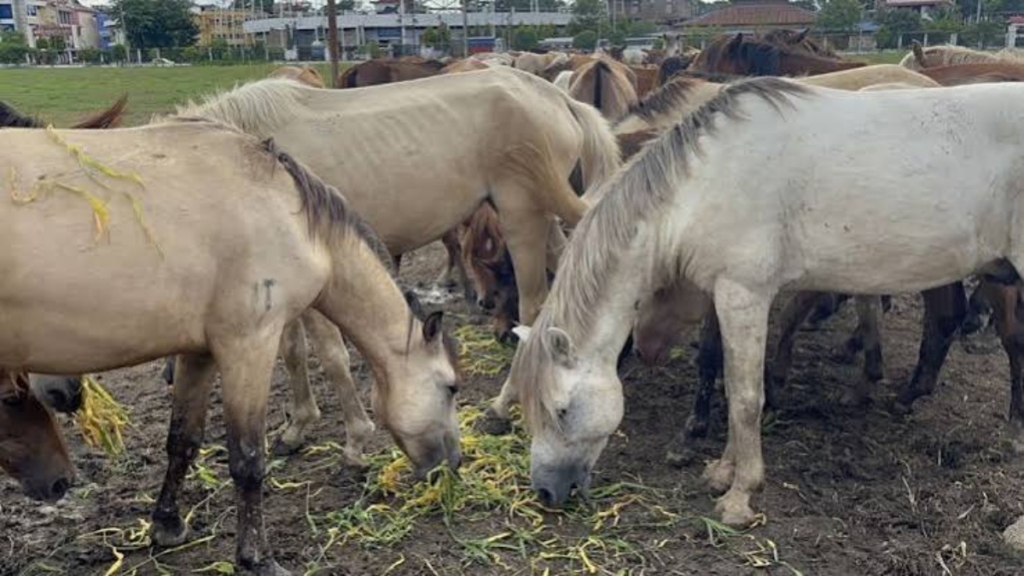
Manipur ponies have tested positive for surra, prompting the state veterinary department to step up treatment and monitoring measures.
The development has raised concern over the health of the animals, which hold cultural and historical importance in Manipur. Veterinary teams are now working to identify affected animals and provide timely treatment.
Manipur ponies test positive for surra
Surra is a parasitic disease caused by Trypanosoma evansi. The infection can affect several domestic animals, including horses and other equines. It can cause weakness, fever, weight loss and other health problems.
In the latest development, veterinary authorities detected surra among Manipur ponies during health checks. The department has responded by strengthening treatment efforts and monitoring the condition of the affected animals.
Officials are also expected to maintain close surveillance because early detection can help limit the impact of the disease. The focus remains on treating infected animals and tracking their recovery.
Veterinary teams intensify treatment
The veterinary department has stepped up medical intervention following the positive tests. Veterinary personnel are examining the affected ponies and administering treatment based on their condition.
Meanwhile, authorities are monitoring the animals for signs of further infection. Such surveillance is important because surra can spread through biting flies and may affect other susceptible animals.
The department’s response also involves identifying animals that may require additional attention. Therefore, continued observation will remain important during the treatment process.
Why Manipur ponies need special care
Manipur ponies are closely associated with the state’s cultural identity and traditional sporting practices. The animals are particularly linked with polo, a sport that has deep historical connections with Manipur.
Their importance goes beyond sport. The ponies are also part of the state’s heritage and have featured in cultural traditions for generations.
As a result, concerns over their health can have wider implications for conservation and animal welfare. Maintaining veterinary care is therefore important not only for individual animals but also for the continued protection of the breed.
Surra requires timely veterinary attention
Surra can become serious when infected animals do not receive timely veterinary care. Symptoms may vary, and veterinary testing remains important for confirming infection.
However, a positive test does not mean that every animal in the wider population is infected. Authorities need continued testing and surveillance to establish the extent of the problem.
Additionally, controlling possible sources of transmission can support disease management. Veterinary teams can use monitoring and appropriate treatment to reduce health risks among affected animals.
The latest response by the department indicates that officials are treating the reported infections as a veterinary health issue requiring active intervention.
Manipur ponies remain under close watch
The treatment drive is now focused on the health and recovery of the affected animals. Veterinary officials will need to continue monitoring the ponies to assess their response to treatment and detect any further cases.
Meanwhile, continued coordination between animal owners, veterinary personnel and relevant authorities can help strengthen disease surveillance.
For Manipur, protecting the ponies carries both animal welfare and heritage significance. Therefore, timely treatment, regular health checks and sustained monitoring will remain important as the veterinary department manages the reported surra infections.
Overall, the immediate priority is to treat affected Manipur ponies and prevent the disease from creating a wider health concern among the state’s equine population.