


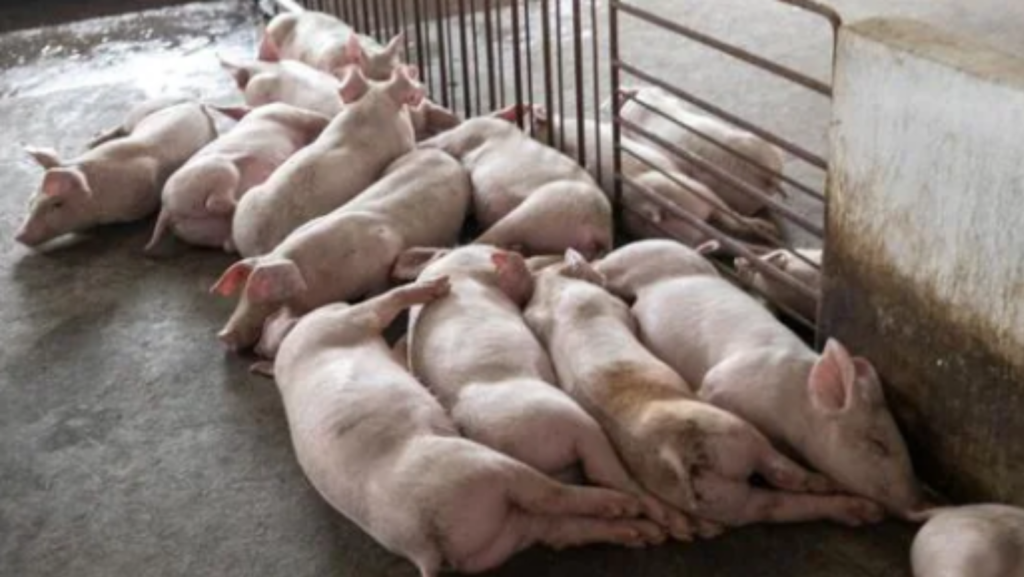
The Meghalaya swine fever restrictions have been significantly strengthened following a sharp rise in African Swine Fever (ASF) cases across multiple districts. In response, the state administration has imposed strict biosecurity measures and transport restrictions on pigs and pork products to prevent further spread of the disease. Moreover, officials aim to protect livestock, support disease containment efforts, and minimize economic losses for the state’s pig farming sector.
Tripura Resident Repatriated from Bangladesh
Assam Eyes Trade Growth Through FTAs
Meghalaya Imposes Strict ASF Control Measures
The Meghalaya administration has introduced stringent restrictions on the transportation of pigs and pork products following an increase in African Swine Fever cases. Authorities have activated emergency containment measures to limit the spread of the disease.
Moreover, officials are implementing enhanced monitoring and surveillance across affected regions. These steps aim to reduce the risk of transmission and protect the state’s livestock population.
Consequently, transport and trade activities involving pigs have come under closer scrutiny.
Rise in African Swine Fever Cases
African Swine Fever has emerged as a major concern in several districts of Meghalaya. The disease affects domestic and wild pigs and can spread rapidly if authorities fail to implement timely control measures.
Furthermore, outbreaks often create significant challenges for livestock farmers due to the potential impact on pig populations. Governments typically respond with containment strategies designed to prevent wider transmission.
As a result, the state has moved quickly to strengthen preventive actions.
Transport Restrictions Introduced
Authorities have imposed restrictions on the movement of pigs and pork products as part of the containment strategy. Limiting transportation reduces the likelihood of infected animals spreading the disease to unaffected areas.
Additionally, checkpoints and monitoring systems may help officials verify compliance with biosecurity protocols. Such measures are commonly used during animal disease outbreaks.
Therefore, transport controls remain a central element of the response plan.
Understanding African Swine Fever
African Swine Fever is a highly contagious viral disease that affects pigs. The disease can cause severe losses within pig populations and create economic challenges for farmers and the livestock industry.
Moreover, ASF does not affect humans, but it poses a significant threat to pig farming operations. Effective containment measures are essential to minimizing its impact.
Consequently, governments often treat outbreaks as a high-priority animal health issue.
Biosecurity Measures Strengthened
Biosecurity plays a crucial role in preventing the spread of animal diseases. Authorities have strengthened protocols designed to reduce contact between infected and healthy animals.
Furthermore, improved sanitation practices, movement controls, and monitoring procedures can help contain outbreaks more effectively. Farmers and livestock handlers often play an important role in implementing these safeguards.
As a result, biosecurity remains at the heart of the containment effort.
Impact on Pig Farmers
Pig farming contributes significantly to livelihoods in many parts of Meghalaya. Disease outbreaks can affect production, market access, and income opportunities for farmers.
Moreover, movement restrictions may temporarily influence trade activities within the sector. Authorities often seek to balance disease control requirements with support for affected farming communities.
Therefore, the economic implications of the outbreak remain an important concern.
Protecting the Livestock Sector
The livestock sector forms an important component of rural economies. Preventing the spread of ASF helps safeguard animal health and reduce the risk of widespread economic disruption.
Additionally, timely intervention can help preserve livestock populations and maintain confidence within agricultural markets. Effective disease management supports long-term sector stability.
Consequently, authorities continue prioritizing containment measures.
Importance of Early Detection
Early detection remains critical in managing animal disease outbreaks. Surveillance systems help authorities identify affected areas and respond before transmission becomes more widespread.
Furthermore, regular monitoring enables veterinary teams to assess risks and implement targeted interventions. Rapid response strategies often improve containment outcomes.
As a result, surveillance efforts have intensified across affected districts.
Community Cooperation Essential
Successful disease control depends heavily on cooperation among farmers, traders, veterinary officials, and local communities. Compliance with movement restrictions and biosecurity guidelines can significantly reduce transmission risks.
Moreover, public awareness campaigns help educate stakeholders about preventive measures and reporting requirements. Community participation strengthens overall response efforts.
Therefore, cooperation remains vital to controlling the outbreak.
Looking Ahead
Authorities are expected to continue monitoring the situation closely while enforcing containment measures. Veterinary teams will likely assess developments and adjust strategies as necessary.
Furthermore, ongoing surveillance and strict adherence to biosecurity protocols will remain essential in preventing further spread. The effectiveness of these measures will play a key role in protecting Meghalaya’s livestock sector.
Consequently, the coming weeks will be crucial for disease management efforts.
Conclusion
The Meghalaya swine fever restrictions reflect the state’s urgent response to rising African Swine Fever cases across several districts. Through transport controls, enhanced biosecurity measures, and increased surveillance, authorities aim to contain the outbreak and protect the livestock industry.
As farmers, traders, and officials work together to address the challenge, continued vigilance will remain critical. The response highlights the importance of proactive disease management in safeguarding animal health and supporting rural livelihoods.
FAQs
Why has Meghalaya imposed transport restrictions?
Authorities introduced restrictions to prevent the spread of African Swine Fever among pig populations.
What is African Swine Fever?
ASF is a highly contagious viral disease that affects domestic and wild pigs.
Does African Swine Fever affect humans?
No, ASF affects pigs and does not pose a direct threat to human health.
How do transport restrictions help?
They reduce the risk of infected animals carrying the disease to new locations.
Who may be affected by the restrictions?
Pig farmers, livestock traders, and businesses involved in pig and pork transportation may experience temporary impacts.