


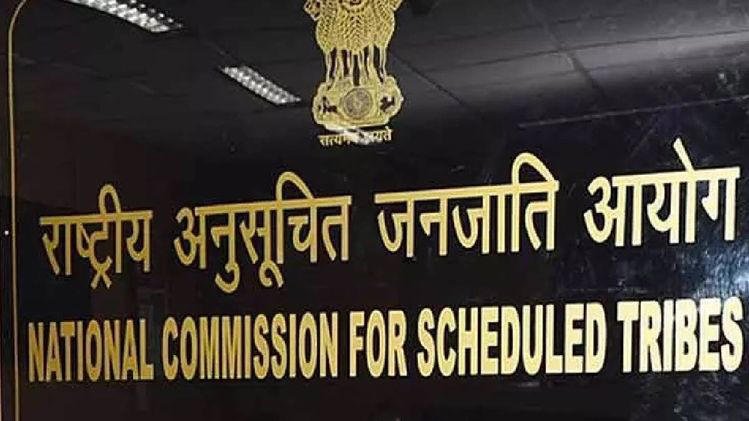
A member of the National Commission for Scheduled Tribes (NCST), Nirupam Chakma, has reviewed the development status of villages under the Chakma Autonomous District Council (CADC) in Mizoram. His visit aimed to identify CADC development gaps and recommend measures to improve infrastructure, healthcare, education, and basic amenities in the region.
Field Visit to CADC Areas
Nirupam Chakma toured several villages across the CADC, speaking with residents and local leaders to understand their concerns. The visit covered areas that have long faced developmental challenges due to geographical isolation, limited resources, and administrative constraints.
During interactions, villagers highlighted pressing issues such as poor road connectivity, inadequate health facilities, and lack of access to quality education. Many communities also struggle with water supply shortages and insufficient electricity coverage.
Read More: Meghalaya Unveils Education Future in New Commission Report
Key Gaps in Infrastructure
One of the major CADC development gaps identified during the visit was poor infrastructure. Several villages remain connected only by unpaved roads, making transport difficult, especially during monsoon seasons.
Nirupam Chakma noted that better roads would not only improve mobility but also help in delivering essential services such as medical supplies and educational resources. He emphasised the need for a coordinated approach between state agencies and the CADC to address these infrastructure issues.
Healthcare Needs Immediate Attention
The review revealed that healthcare services in CADC villages are severely limited. Many residents must travel long distances to access basic medical care. The lack of well-equipped health centres and trained personnel poses a significant challenge, particularly in emergencies.
The NCST member urged authorities to strengthen local health infrastructure by upgrading primary health centres, deploying more medical staff, and ensuring adequate supplies of medicines and equipment.
Education Challenges in Rural Areas
Education remains another area where CADC development gaps are evident. Several schools lack proper classrooms, teaching materials, and qualified teachers. Dropout rates are high in some areas due to long travel distances, economic hardship, and lack of hostel facilities.
The commission suggested upgrading school infrastructure, providing training for teachers, and introducing scholarship programmes to support students from economically weaker families.
Water and Power Shortages
Access to clean drinking water and reliable electricity remains a challenge for many CADC villages. Residents reported frequent water shortages, forcing them to rely on unsafe sources. Electricity supply is often erratic, disrupting both household activities and community services.
The NCST review recommended expanding rural water supply schemes and upgrading power infrastructure to ensure consistent access for all households.
Importance of Local Governance
While visiting the CADC headquarters, Nirupam Chakma met with council officials to discuss governance issues. He stressed that strong local governance is essential to closing CADC development gaps.
He also encouraged better coordination between CADC authorities, the state government, and central agencies. Improved planning and timely implementation of projects can significantly accelerate development in the region.
Focus on Livelihood Opportunities
Beyond infrastructure, the review also considered economic opportunities for the Chakma community. Many villagers rely on subsistence farming, with limited access to markets or modern agricultural tools.
The NCST member suggested promoting skill development programmes, providing financial assistance for small enterprises, and improving market connectivity to boost local incomes.
Community Participation in Development
Nirupam Chakma emphasised that community involvement is key to sustainable progress. He encouraged villagers to actively participate in planning and monitoring development projects.
By working together, residents and authorities can ensure that resources are used effectively and that projects meet the actual needs of the population.
Recommendations for Policy Action
At the conclusion of his visit, the NCST member outlined a set of recommendations to address CADC development gaps:
- Upgrade road networks to improve year-round connectivity.
- Strengthen healthcare facilities and deploy more trained medical staff.
- Improve school infrastructure and provide teacher training.
- Expand clean water supply schemes and upgrade power lines.
- Promote skill development and livelihood programmes.
- Ensure active community participation in development planning.
Government’s Response
The Mizoram state government has acknowledged the findings from the NCST review. Officials indicated that efforts are underway to address some of the highlighted issues, particularly in road development and healthcare.
They also noted that certain projects are awaiting central funding approval and that better coordination with CADC authorities will be a priority going forward.
The review of CADC development gaps by NCST member Nirupam Chakma has brought renewed attention to the needs of Chakma Autonomous District Council villages. Addressing these gaps will require a combination of infrastructure investment, improved governance, and active community involvement.
If implemented effectively, the recommendations could significantly improve the quality of life for residents and ensure that CADC villages are not left behind in Mizoram’s development journey.
Read More: Tripura Tourism Development Plans: Guides & Funding