


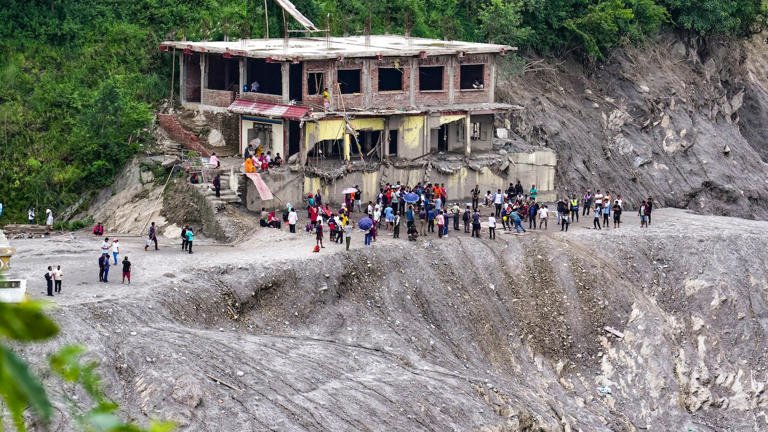
Nepal’s Prime Minister’s Disaster Relief Fund has crossed NPR 10 billion after NVIDIA announced a $10 million donation to support the country’s disaster relief and recovery efforts.
The contribution marks a major boost to Nepal’s efforts to respond to the humanitarian and economic impact of the recent disaster. The fund has received contributions from various organisations, institutions and individuals as the country works to provide relief to affected communities.
NVIDIA’s $10 million contribution has pushed the total amount collected in the Prime Minister’s Disaster Relief Fund beyond the NPR 10 billion mark.
The funds are expected to support relief, rehabilitation and recovery efforts in areas affected by the disaster.
NVIDIA’s $10 Million Donation Boosts Relief Fund
NVIDIA’s contribution represents one of the major donations made to support Nepal’s disaster response.
The company announced $10 million in assistance as Nepal continues to deal with the consequences of the disaster.
The donation has helped the Prime Minister’s Disaster Relief Fund cross a significant financial milestone.
Disaster recovery often requires substantial resources.
Governments need funds to provide immediate assistance to affected families. They also need long-term investment to repair damaged infrastructure and help communities rebuild their lives.
The contribution could support Nepal’s wider relief and recovery efforts as authorities continue to assess the scale of the damage.
The donation has also drawn attention to the role that private companies and international organisations can play during humanitarian emergencies.
Nepal PM Disaster Relief Fund Crosses NPR 10 Billion
The Prime Minister’s Disaster Relief Fund has now crossed NPR 10 billion following the latest contribution.
The milestone reflects the scale of financial support mobilised for Nepal’s disaster response.
Government funds and public contributions can help authorities respond to urgent needs in affected areas.
Relief operations may require food, drinking water, temporary shelter, medical assistance and other essential supplies.
As the emergency response progresses, the focus often shifts towards rehabilitation and long-term recovery.
Communities affected by disasters may need support to rebuild homes, restore livelihoods and repair local infrastructure.
The growing size of the relief fund could provide Nepal with additional resources to address these requirements.
Funds Expected to Support Relief and Rehabilitation
The disaster relief fund is expected to play an important role in supporting affected communities.
Immediate relief remains essential during the early stages of a disaster.
Authorities need to ensure that food, shelter and medical assistance reach people who have lost access to basic services.
However, recovery does not end when emergency operations conclude.
Many families may need long-term assistance.
Homes, roads, bridges, schools and public facilities may require repairs or complete reconstruction.
Affected businesses and workers may also need support to restore their livelihoods.
The funds collected through the Prime Minister’s Disaster Relief Fund could support different stages of Nepal’s recovery process.
The government is expected to determine the allocation of resources based on the needs of affected areas.
Corporate Support Highlights Global Solidarity
NVIDIA’s donation highlights the role of corporate organisations in supporting countries facing major humanitarian crises.
Large-scale disasters can create financial pressure on governments.
International support can therefore help strengthen relief and recovery operations.
Corporate contributions can supplement government resources and provide additional financial assistance when communities need urgent support.
NVIDIA’s $10 million donation represents a significant contribution to Nepal’s disaster response.
The move also reflects the importance of global solidarity during humanitarian emergencies.
Private companies can contribute financial resources, technology and expertise to support affected communities.
International assistance can also help countries strengthen their ability to recover from disasters.
Disaster Recovery Requires Long-Term Planning
While the relief fund has crossed NPR 10 billion, the success of Nepal’s recovery efforts will depend on how effectively authorities use the available resources.
Large-scale disasters can have long-term consequences.
Rebuilding damaged infrastructure may take years.
Communities may also face economic and social challenges long after the immediate emergency ends.
The government will need to balance immediate relief with long-term recovery.
Authorities may prioritise the reconstruction of essential infrastructure and services.
They may also need to support families who have lost homes or livelihoods.
Effective planning and transparent use of funds will remain important as the recovery process moves forward.
Nepal Faces Continuing Challenges After Disaster
The recent disaster has once again highlighted Nepal’s vulnerability to extreme weather and natural hazards.
Floods and landslides can cause widespread destruction, particularly during periods of intense rainfall.
Mountainous terrain can also make rescue and recovery operations difficult.
Damaged roads and communication networks can delay the delivery of assistance.
The government must often respond to immediate humanitarian needs while also planning for future disaster risks.
Improving infrastructure and disaster preparedness can help reduce the impact of future emergencies.
The latest financial support could also provide an opportunity to invest in more resilient reconstruction.
Focus on Rebuilding Affected Communities
The recovery process will ultimately focus on helping affected communities return to normal life.
Families who lost homes may need housing support.
Communities may require repaired roads, schools and healthcare facilities.
Businesses and workers may also need assistance to recover economically.
The Prime Minister’s Disaster Relief Fund could play a major role in supporting these efforts.
Authorities will need to identify the areas with the greatest needs and ensure that resources reach affected people.
The growing amount in the fund provides additional financial capacity for the government’s response.
However, the recovery process will require continued coordination between government agencies, local authorities, communities and supporting organisations.
NVIDIA Donation Marks Major Milestone
NVIDIA’s $10 million contribution has helped Nepal’s Prime Minister’s Disaster Relief Fund cross the NPR 10 billion mark.
The milestone reflects the significant support mobilised for the country’s disaster response.
The contribution provides Nepal with additional resources as it continues relief, rehabilitation and recovery operations.
For affected communities, financial support can help provide essential assistance and support reconstruction.
The donation also highlights the importance of international and corporate support during major humanitarian emergencies.
As Nepal moves from immediate relief towards long-term recovery, the effective use of available funds will remain crucial.
The Prime Minister’s Disaster Relief Fund now holds more than NPR 10 billion, creating a stronger financial base for the country’s recovery efforts.
The coming months will determine how the government uses these resources to help affected families rebuild their homes, restore livelihoods and recover from the devastating impact of the disaster.