


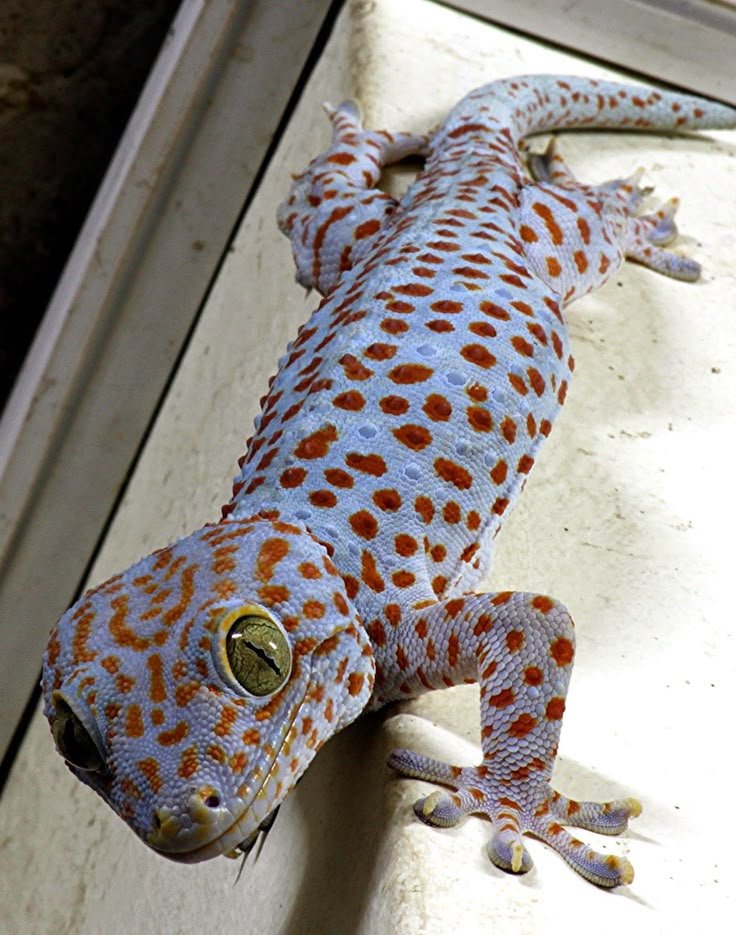
In a thrilling revelation for biologists and conservationists, a new gecko species has been discovered in the Barail Hills of Assam, one of India’s least-explored biodiversity hotspots. The species has been officially named ‘Vanrakshaka’, a Sanskrit word meaning “forest protector”, as a tribute to the Assam Forest Department and their tireless conservation work.
This discovery isn’t just a win for taxonomy—it’s a loud and clear reminder of the ecological wealth of Northeast India and the urgent need to protect it.
Barail Hills: A Hidden Biodiversity Treasure in Assam
Located in southern Assam, the Barail Hills span parts of Cachar and Dima Hasao districts. Often overshadowed by the more famous Kaziranga and Manas biospheres, Barail is quietly proving itself as a biodiversity goldmine.
With thick tropical forests, rugged terrain, and heavy rainfall, the region is home to:
- Over 300 species of birds
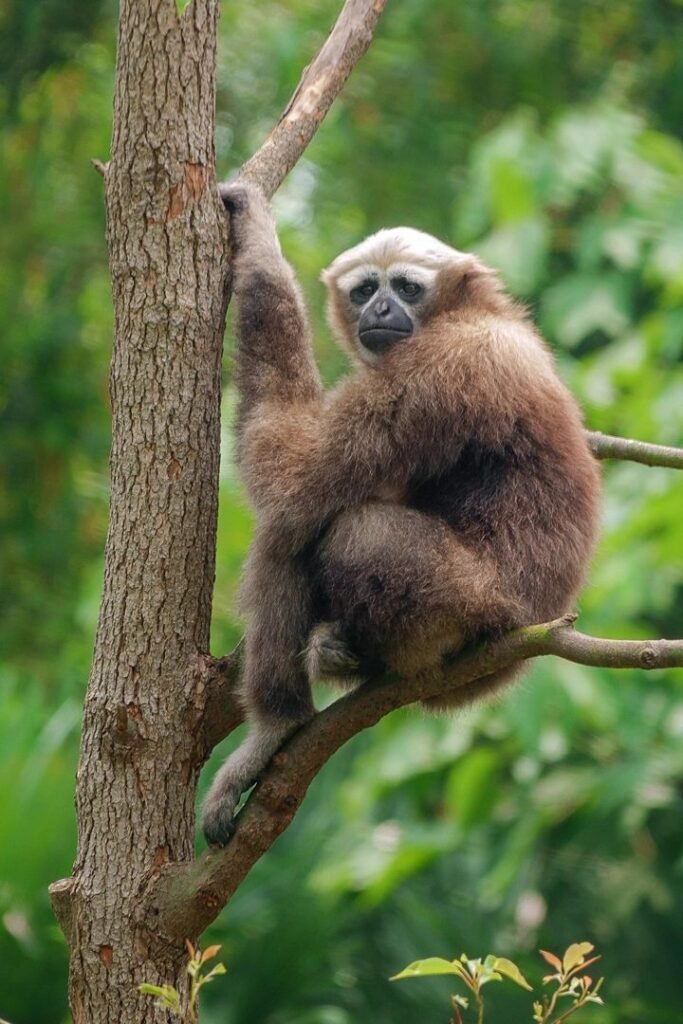
- Rare mammals like the Hoolock Gibbon
- Dozens of amphibians and reptiles, many yet to be described
“The discovery of Vanrakshaka highlights how little we know about this region. Every footstep here could lead to a new species,” says Dr. Anil Sharma, lead herpetologist from the research team.

Meet Vanrakshaka: The New Gecko Species in Assam
What Makes This Gecko Special?
The newly discovered Vanrakshaka gecko belongs to the Cyrtodactylus genus, known for its curved toes and nocturnal behavior. Key characteristics of Vanrakshaka include:
- Unique scale patterning on its tail and back
- A distinct vocalization not found in related species
- Habitat preference for rocky crevices and dense undergrowth
Initial surveys suggest the species may be endemic to the Barail Hills, making its habitat protection a conservation priority.
Why This Discovery Matters: A Win for Conservation in Assam
Biodiversity Hotspots Under Threat
Assam is home to some of India’s richest ecosystems. Yet, regions like the Barail Hills are increasingly at risk due to:
- Deforestation for plantations and logging
- Mining activity and habitat fragmentation
- Climate change impacts on microhabitats
Each new species discovered—like Vanrakshaka—serves as a biological indicator of a healthy ecosystem. Their loss would signify larger systemic breakdowns.
“This is a wake-up call to protect our micro-ecosystems. Vanrakshaka is both a scientific marvel and a conservation ambassador,” said a senior forest officer from Assam’s Wildlife Division.
Forest Department’s Role: Why the Name ‘Vanrakshaka’ Matters
The name Vanrakshaka is more than symbolic—it’s a dedication to the frontline forest guards, trackers, and officers who work in hazardous, leech-infested terrains without recognition.
The research team emphasized that local knowledge played a vital role in the gecko’s discovery. Forest staff first spotted the unfamiliar reptile during a routine patrol and alerted herpetologists from Guwahati University and the Wildlife Institute of India.
What’s Next: Research, Conservation & Public Awareness
The team is now conducting DNA barcoding, population assessments, and ecological studies to determine Vanrakshaka’s conservation status. Preliminary data suggests it may qualify as “Vulnerable” on the IUCN Red List due to its restricted range and habitat degradation.
Meanwhile, the Assam Forest Department is considering designating part of the Barail Hills as a Community Conservation Reserve, involving local tribes in eco-sensitive area management.
Protect Assam’s Wild Treasures
The discovery of Vanrakshaka is a moment of pride—but also a responsibility. You can help protect Assam’s incredible biodiversity in the following ways:
Support local conservation initiatives
Avoid products linked to deforestation or illegal mining
Share awareness about lesser-known ecosystems like Barail Hills
Visit responsibly—choose eco-tourism over commercial travel
Demand stronger enforcement of wildlife protection laws
READ MORE: Japanese Encephalitis in Assam: State Acts Fast to Curb Outbreak
In a world rapidly losing species, the emergence of Vanrakshaka—the forest protector—is both poetic and urgent. It’s a reminder that Assam’s wilderness still holds untold secrets, waiting to be discovered, respected, and protected.
Let’s not wait until the next discovery to act. The forest protectors need our support—now more than ever.